GUIDE

Pre-Settlement Funding in Cases Involving Injuries Caused by Falling Trees or Vegetation

Pre-Settlement Funding in Cases Involving Injuries Caused by Falling Trees or Vegetation

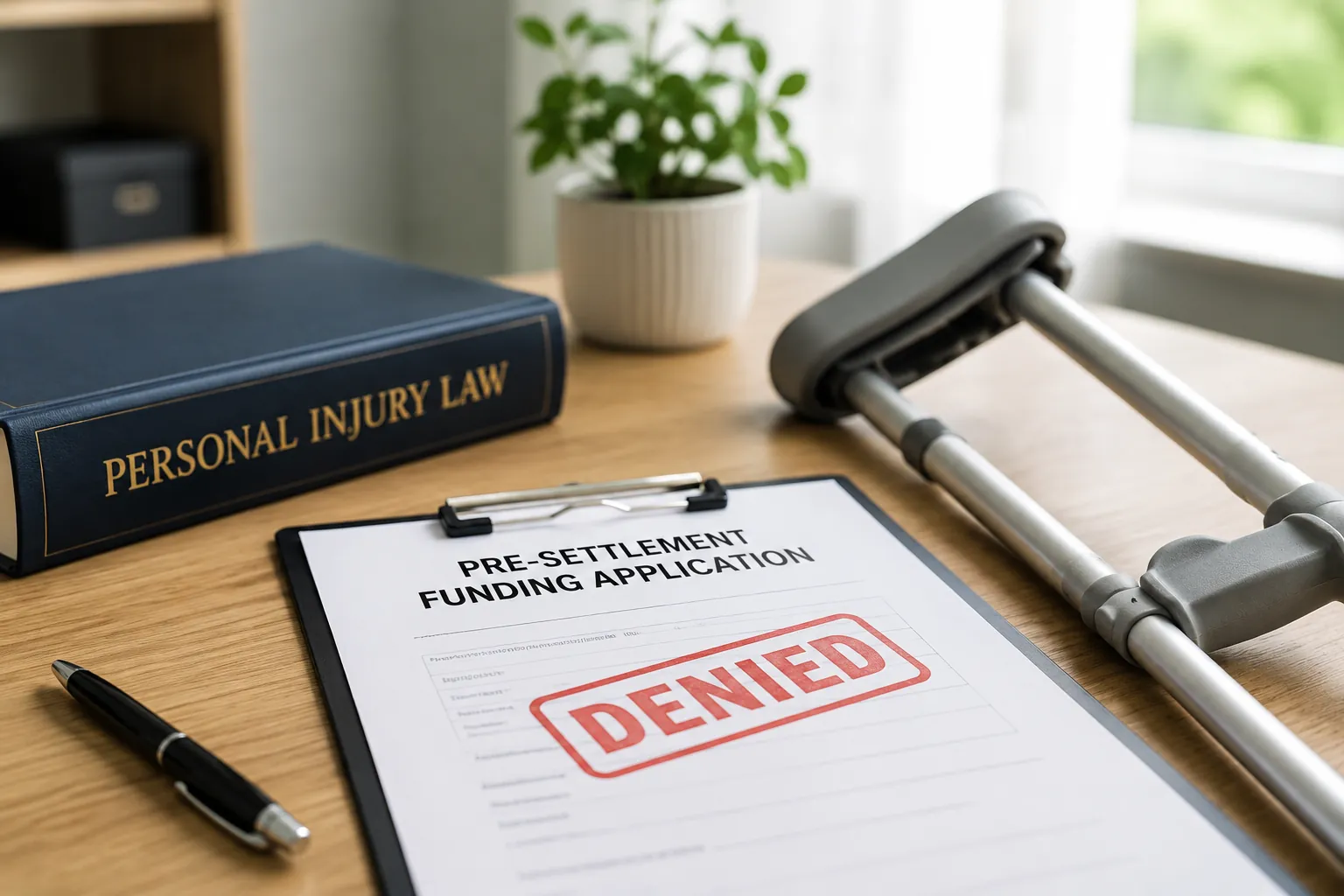
Personal injury claims arising from falling trees, branches, or other vegetation involve premises liability principles and require careful analysis of who owned or controlled the tree and whether they had notice of its hazardous condition. These cases can arise on residential properties, commercial properties, public parks, or along public roadways, and the identity of the responsible party depends significantly on the location of the tree and the circumstances of the fall.

For plaintiffs injured by falling trees or vegetation, understanding how these cases are evaluated and how they affect pre-settlement funding eligibility is important. The natural origin of the hazard does not eliminate the property owner's potential liability or prevent funding approval when notice and responsibility are established.

Why Tree and Vegetation Cases Involve Unique Liability Questions

Unlike hazards created directly by human conduct, falling tree and vegetation cases require establishing that the property owner had actual or constructive notice of the tree's dangerous condition. Key legal principles that apply include:

  • A property owner has a duty to inspect and maintain trees on their property and to address conditions that pose a foreseeable risk of harm

  • Liability generally requires proof that the owner knew or should have known that the tree was diseased, dead, structurally compromised, or otherwise dangerous

  • The natural condition rule in some jurisdictions previously limited liability for trees in natural or rural settings but has been largely narrowed or eliminated in urban and suburban contexts

  • Government entities that own trees along public rights of way may be subject to notice of claim requirements and damage caps

  • Utility companies or contractors who damage a tree's root system or structural integrity may share responsibility for a subsequent fall

Identifying who owned the tree and what they knew about its condition is the central inquiry in these cases.

Common Scenarios Where Tree and Vegetation Injuries Occur

Falling tree and vegetation injuries arise in a wide range of circumstances. Common examples include:

  • A dead or diseased tree on a neighbor's property that falls onto an adjacent property or strikes a person

  • A large branch from an improperly maintained tree that falls on a pedestrian or vehicle

  • A tree along a public roadway that falls due to disease or storm damage and strikes a passing vehicle

  • Vegetation adjacent to a commercial property that falls due to inadequate inspection and maintenance

  • Trees damaged by construction activity on a neighboring property that subsequently fall

  • Palm fronds or other vegetation at resort or hospitality properties that are not regularly cleared

Each scenario requires specific analysis of who controlled the tree and whether notice of the hazard existed.

How Notice Is Established in Tree and Vegetation Cases

Establishing that the property owner had notice of the tree's hazardous condition is often the central challenge in these cases. Evidence used to demonstrate notice may include:

  • Prior complaints made to the property owner about the condition of the tree

  • Arborist inspection records showing that the tree was identified as diseased or structurally compromised

  • Photographs showing visible signs of disease, decay, or structural weakness prior to the fall

  • Prior incidents involving the same tree or nearby trees on the same property

  • Expert testimony from an arborist establishing that the hazardous condition was visible and identifiable through reasonable inspection

When notice cannot be clearly established, the strength of the liability argument is significantly affected.

How Government-Owned Trees Affect the Claim

When a tree is located on public property such as a park, sidewalk strip, or public roadway, the responsible party may be a government entity. In these cases:

  • Sovereign immunity rules and notice of claim requirements may apply

  • The plaintiff must establish that the government entity had actual or constructive notice of the tree's hazardous condition

  • Short filing deadlines for notices of claim must be observed to preserve the claim

  • Damage caps applicable to government defendants may limit total recovery

Attorney involvement from an early stage is essential when a government entity may be responsible for the tree.

How Tree and Vegetation Cases Affect Case Evaluation

Funding providers assess falling tree and vegetation cases based on the strength of the notice evidence and the liability argument. Considerations include:

  • Whether prior complaints, inspection records, or visible signs of hazard support constructive notice

  • Whether the tree was located on private or public property and the applicable legal framework

  • The identity and insurance coverage of the property owner or responsible party

  • Whether procedural requirements have been met if a government entity is involved

  • The attorney's assessment of liability and realistic case value

Cases where notice is clearly supported by documented evidence and liability is well-established are generally evaluated more favorably.

Can Plaintiffs Still Qualify for Funding?

Yes. Cases involving injuries caused by falling trees or vegetation may still qualify for pre-settlement funding. Approval depends on:

  • Medical documentation of the injury and its severity

  • Evidence establishing the property owner's notice of the hazardous condition

  • Identification of a viable defendant with available insurance coverage

  • Attorney's assessment of liability and case value

  • Stage of litigation

Funding providers evaluate the overall strength of the notice and liability arguments rather than the natural origin of the hazard. Attorney input on the notice evidence is essential in these cases.

How Tree and Vegetation Cases Can Affect Timeline

Falling tree and vegetation cases may involve additional investigation and expert analysis that extends the litigation timeline. Factors that can contribute include:

  • Retention of an arborist expert to assess the condition of the tree prior to the fall

  • Discovery of maintenance records, inspection reports, and prior complaint documentation

  • Disputes over whether the property owner had sufficient notice to be held responsible

  • Government entity immunity challenges if a public entity owned the tree

  • Preservation of the fallen tree or evidence of its condition before it is removed or destroyed

Pre-settlement funding can provide financial stability during this investigation and litigation process.

Responsible Funding Evaluation

When a case involves a falling tree or vegetation injury, funding providers assess the notice evidence and available recovery carefully. Evaluation may consider:

  • Strength of the evidence establishing the property owner's actual or constructive notice

  • Identity and insurance coverage of the responsible party

  • Whether procedural requirements have been met if a government entity is involved

  • Medical documentation and injury severity

  • Attorney's overall assessment of realistic recovery

Advances are structured to reflect the level of certainty present in the notice and liability analysis. Non-recourse protection ensures repayment occurs only if recovery is obtained.

The Importance of Attorney Coordination

Attorney coordination is critical in falling tree and vegetation cases where notice evidence must be gathered quickly before it is lost or altered. Legal counsel can explain:

  • What evidence is available to establish the property owner's notice of the hazardous condition

  • Whether an arborist expert has been retained and what opinions are expected

  • Whether a government entity is involved and what procedural requirements apply

  • The expected timeline for completing investigation and pursuing resolution

Funding providers rely on this professional analysis to evaluate cases where the strength of the liability argument depends on the quality of the notice evidence.

Why Plaintiffs Choose Instabridge

Instabridge understands that falling tree and vegetation cases require prompt evidence gathering and careful notice analysis to establish liability. Our team works directly with attorneys to assess each case based on the available notice evidence and realistic recovery potential. We provide:

  • Clear written payoff disclosures

  • Flat-rate pricing without compounding fees

  • Non-recourse funding protection

  • Responsible advance limits

  • Transparent communication throughout the review process

Our goal is to provide financial support while your case progresses toward resolution regardless of the natural origin of the hazard involved.

Conclusion: Funding Support After an Injury Caused by a Falling Tree or Vegetation

Falling tree and vegetation injuries can give rise to strong premises liability claims when notice of the hazardous condition is established and the responsible party is identified. The natural origin of the hazard does not prevent recovery or pre-settlement funding approval when the liability argument is well-supported by documented evidence. If you were injured by a falling tree or vegetation and need financial support while your case is pending, contact Instabridge. Our team will review your case carefully, coordinate with your attorney, and help you determine whether pre-settlement funding is an appropriate option.

Personal injury claims arising from falling trees, branches, or other vegetation involve premises liability principles and require careful analysis of who owned or controlled the tree and whether they had notice of its hazardous condition. These cases can arise on residential properties, commercial properties, public parks, or along public roadways, and the identity of the responsible party depends significantly on the location of the tree and the circumstances of the fall.

For plaintiffs injured by falling trees or vegetation, understanding how these cases are evaluated and how they affect pre-settlement funding eligibility is important. The natural origin of the hazard does not eliminate the property owner's potential liability or prevent funding approval when notice and responsibility are established.

Why Tree and Vegetation Cases Involve Unique Liability Questions

Unlike hazards created directly by human conduct, falling tree and vegetation cases require establishing that the property owner had actual or constructive notice of the tree's dangerous condition. Key legal principles that apply include:

  • A property owner has a duty to inspect and maintain trees on their property and to address conditions that pose a foreseeable risk of harm

  • Liability generally requires proof that the owner knew or should have known that the tree was diseased, dead, structurally compromised, or otherwise dangerous

  • The natural condition rule in some jurisdictions previously limited liability for trees in natural or rural settings but has been largely narrowed or eliminated in urban and suburban contexts

  • Government entities that own trees along public rights of way may be subject to notice of claim requirements and damage caps

  • Utility companies or contractors who damage a tree's root system or structural integrity may share responsibility for a subsequent fall

Identifying who owned the tree and what they knew about its condition is the central inquiry in these cases.

Common Scenarios Where Tree and Vegetation Injuries Occur

Falling tree and vegetation injuries arise in a wide range of circumstances. Common examples include:

  • A dead or diseased tree on a neighbor's property that falls onto an adjacent property or strikes a person

  • A large branch from an improperly maintained tree that falls on a pedestrian or vehicle

  • A tree along a public roadway that falls due to disease or storm damage and strikes a passing vehicle

  • Vegetation adjacent to a commercial property that falls due to inadequate inspection and maintenance

  • Trees damaged by construction activity on a neighboring property that subsequently fall

  • Palm fronds or other vegetation at resort or hospitality properties that are not regularly cleared

Each scenario requires specific analysis of who controlled the tree and whether notice of the hazard existed.

How Notice Is Established in Tree and Vegetation Cases

Establishing that the property owner had notice of the tree's hazardous condition is often the central challenge in these cases. Evidence used to demonstrate notice may include:

  • Prior complaints made to the property owner about the condition of the tree

  • Arborist inspection records showing that the tree was identified as diseased or structurally compromised

  • Photographs showing visible signs of disease, decay, or structural weakness prior to the fall

  • Prior incidents involving the same tree or nearby trees on the same property

  • Expert testimony from an arborist establishing that the hazardous condition was visible and identifiable through reasonable inspection

When notice cannot be clearly established, the strength of the liability argument is significantly affected.

How Government-Owned Trees Affect the Claim

When a tree is located on public property such as a park, sidewalk strip, or public roadway, the responsible party may be a government entity. In these cases:

  • Sovereign immunity rules and notice of claim requirements may apply

  • The plaintiff must establish that the government entity had actual or constructive notice of the tree's hazardous condition

  • Short filing deadlines for notices of claim must be observed to preserve the claim

  • Damage caps applicable to government defendants may limit total recovery

Attorney involvement from an early stage is essential when a government entity may be responsible for the tree.

How Tree and Vegetation Cases Affect Case Evaluation

Funding providers assess falling tree and vegetation cases based on the strength of the notice evidence and the liability argument. Considerations include:

  • Whether prior complaints, inspection records, or visible signs of hazard support constructive notice

  • Whether the tree was located on private or public property and the applicable legal framework

  • The identity and insurance coverage of the property owner or responsible party

  • Whether procedural requirements have been met if a government entity is involved

  • The attorney's assessment of liability and realistic case value

Cases where notice is clearly supported by documented evidence and liability is well-established are generally evaluated more favorably.

Can Plaintiffs Still Qualify for Funding?

Yes. Cases involving injuries caused by falling trees or vegetation may still qualify for pre-settlement funding. Approval depends on:

  • Medical documentation of the injury and its severity

  • Evidence establishing the property owner's notice of the hazardous condition

  • Identification of a viable defendant with available insurance coverage

  • Attorney's assessment of liability and case value

  • Stage of litigation

Funding providers evaluate the overall strength of the notice and liability arguments rather than the natural origin of the hazard. Attorney input on the notice evidence is essential in these cases.

How Tree and Vegetation Cases Can Affect Timeline

Falling tree and vegetation cases may involve additional investigation and expert analysis that extends the litigation timeline. Factors that can contribute include:

  • Retention of an arborist expert to assess the condition of the tree prior to the fall

  • Discovery of maintenance records, inspection reports, and prior complaint documentation

  • Disputes over whether the property owner had sufficient notice to be held responsible

  • Government entity immunity challenges if a public entity owned the tree

  • Preservation of the fallen tree or evidence of its condition before it is removed or destroyed

Pre-settlement funding can provide financial stability during this investigation and litigation process.

Responsible Funding Evaluation

When a case involves a falling tree or vegetation injury, funding providers assess the notice evidence and available recovery carefully. Evaluation may consider:

  • Strength of the evidence establishing the property owner's actual or constructive notice

  • Identity and insurance coverage of the responsible party

  • Whether procedural requirements have been met if a government entity is involved

  • Medical documentation and injury severity

  • Attorney's overall assessment of realistic recovery

Advances are structured to reflect the level of certainty present in the notice and liability analysis. Non-recourse protection ensures repayment occurs only if recovery is obtained.

The Importance of Attorney Coordination

Attorney coordination is critical in falling tree and vegetation cases where notice evidence must be gathered quickly before it is lost or altered. Legal counsel can explain:

  • What evidence is available to establish the property owner's notice of the hazardous condition

  • Whether an arborist expert has been retained and what opinions are expected

  • Whether a government entity is involved and what procedural requirements apply

  • The expected timeline for completing investigation and pursuing resolution

Funding providers rely on this professional analysis to evaluate cases where the strength of the liability argument depends on the quality of the notice evidence.

Why Plaintiffs Choose Instabridge

Instabridge understands that falling tree and vegetation cases require prompt evidence gathering and careful notice analysis to establish liability. Our team works directly with attorneys to assess each case based on the available notice evidence and realistic recovery potential. We provide:

  • Clear written payoff disclosures

  • Flat-rate pricing without compounding fees

  • Non-recourse funding protection

  • Responsible advance limits

  • Transparent communication throughout the review process

Our goal is to provide financial support while your case progresses toward resolution regardless of the natural origin of the hazard involved.

Conclusion: Funding Support After an Injury Caused by a Falling Tree or Vegetation

Falling tree and vegetation injuries can give rise to strong premises liability claims when notice of the hazardous condition is established and the responsible party is identified. The natural origin of the hazard does not prevent recovery or pre-settlement funding approval when the liability argument is well-supported by documented evidence. If you were injured by a falling tree or vegetation and need financial support while your case is pending, contact Instabridge. Our team will review your case carefully, coordinate with your attorney, and help you determine whether pre-settlement funding is an appropriate option.

Back to blogs

Other Blogs

Waiting on a Settlement? Get Cash Now!

Instabridge Funding provides fast, risk-free legal funding.

Apply Now

Waiting on a Settlement? Get Cash Now!

Instabridge Funding provides fast, risk-free legal funding.

Apply Now

Pre-settlement funding built by a lawyer.

get in touch

© 2026 Instabridge Funding. All rights reserved.

Pre-settlement funding built by a lawyer.

get in touch

© 2026 Instabridge Funding. All rights reserved.

Pre-settlement funding built by a lawyer.

get in touch

© 2026 Instabridge Funding. All rights reserved.