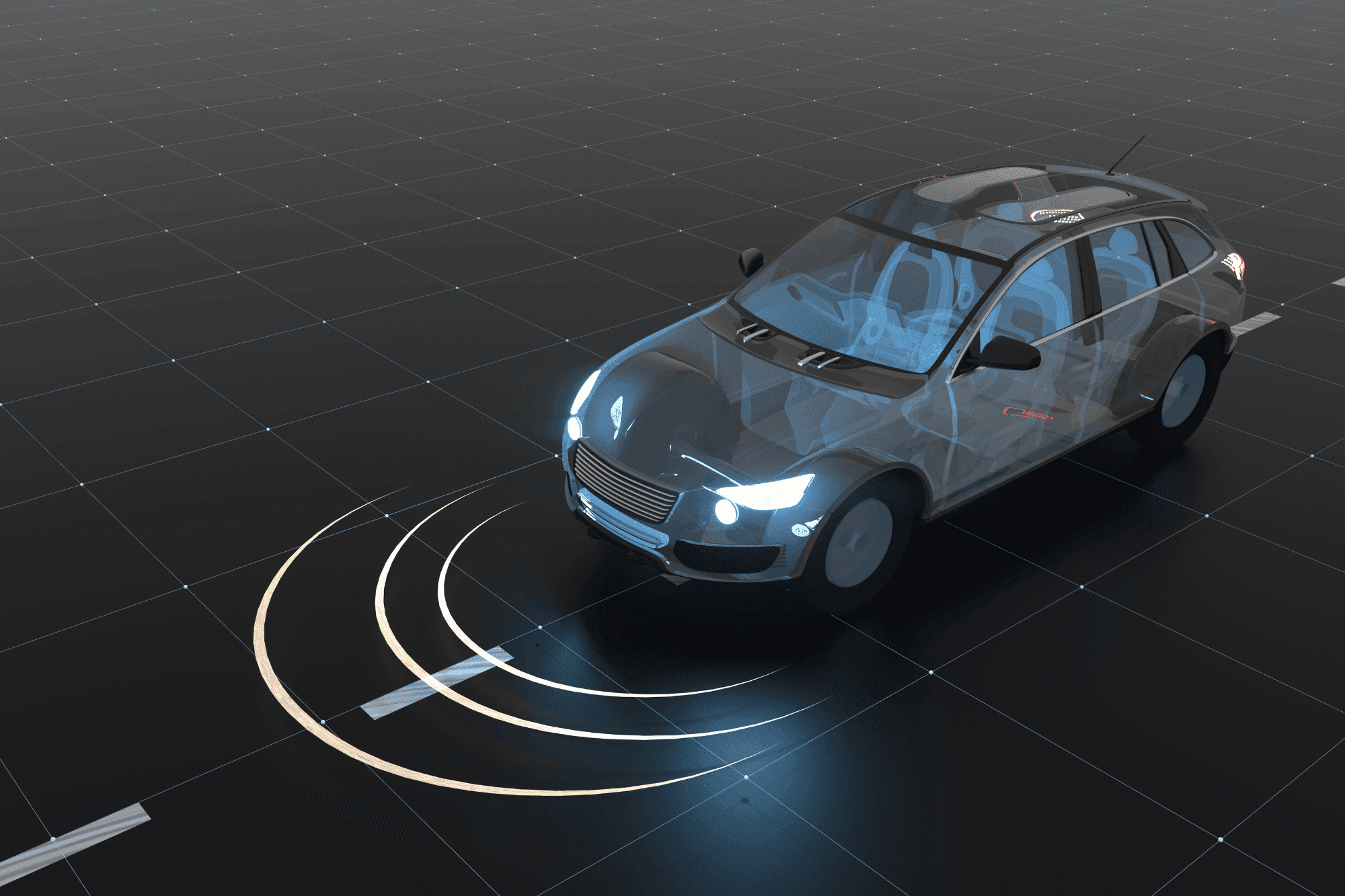
Accidents involving autonomous or semi-autonomous vehicles introduce legal questions that do not arise in conventional motor vehicle accident cases. When a vehicle operating under automated control is involved in a collision, determining who bears legal responsibility — the vehicle owner, the manufacturer, the software developer, or another party — requires analysis of emerging legal standards and rapidly evolving technology.
For plaintiffs injured in accidents involving autonomous or semi-autonomous vehicles, understanding how these novel legal questions affect case evaluation and pre-settlement funding eligibility is important. The complexity of autonomous vehicle liability does not prevent recovery or funding approval when the underlying claim is supported by the available evidence.
Why Autonomous Vehicle Cases Present Novel Legal Challenges
Autonomous vehicle accident cases differ from conventional motor vehicle claims in several important ways. These include:
Traditional negligence principles based on driver error may not apply when a vehicle is operating under automated control
Liability may shift from the human operator to the vehicle manufacturer or software developer depending on the level of automation involved
Multiple parties may share responsibility including the vehicle manufacturer, the software company, a sensor or component supplier, and the vehicle owner
Data from the vehicle's onboard systems may be critical evidence but can be difficult to obtain and interpret
Regulatory standards for autonomous vehicles are still developing at both the state and federal level
Courts have limited precedent to draw on when applying existing legal frameworks to autonomous vehicle accidents
These factors make early and experienced legal representation essential in these cases.
Levels of Vehicle Automation and Their Legal Significance
The degree of automation present in the vehicle at the time of the accident affects how liability is analyzed. Key distinctions include:
Fully autonomous vehicles operating without any human input present the strongest basis for manufacturer liability
Semi-autonomous vehicles with driver assistance features such as adaptive cruise control or lane-keeping assist may involve shared responsibility between the driver and the manufacturer
Vehicles where the driver was required to maintain attention and intervene when necessary involve a more complex analysis of whether the driver or the automated system was at fault
The manufacturer's representations about the capabilities of the automated system are relevant to whether the driver reasonably relied on it
Attorneys analyze the specific level of automation involved and the circumstances of the accident to identify the most viable legal theory.
How Product Liability Applies to Autonomous Vehicle Cases
When an autonomous vehicle's automated system fails and causes an accident, product liability principles may apply. Relevant theories include:
Design defect claims where the automated system was inherently unsafe even when functioning as designed
Manufacturing defect claims where a specific unit deviated from the intended design in a way that caused the accident
Failure to warn claims where the manufacturer did not adequately inform users of the system's limitations
Software liability claims where a coding error or algorithmic failure caused the vehicle to behave dangerously
Expert testimony from automotive engineers, software specialists, and accident reconstruction professionals is typically required to support these theories.
How Autonomous Vehicle Cases Affect Case Evaluation
Funding providers assess autonomous vehicle injury cases with attention to the strength of the available liability evidence and the identity of the responsible parties. Considerations include:
Whether vehicle data has been preserved and analyzed to establish the cause of the accident
Whether the applicable level of automation supports a product liability or driver negligence theory
The identity and financial resources of the manufacturer and any other responsible parties
Insurance coverage available for the claim
The attorney's assessment of the applicable legal theory and realistic case value
Cases where vehicle data clearly supports a system failure and expert testimony is available are generally evaluated more favorably.
Can Plaintiffs Still Qualify for Funding?
Yes. Cases involving injuries caused by autonomous or semi-autonomous vehicles may still qualify for pre-settlement funding. Approval depends on:
Medical documentation of the injury and its severity
Evidence establishing the cause of the accident and the role of the automated system
Identification of viable defendants with available insurance or financial resources
Attorney's assessment of the applicable legal theory and case value
Stage of litigation
Funding providers evaluate the overall strength of the available evidence rather than the novelty of the legal issues involved. Attorney input on the applicable liability theory is essential in these cases.
How Autonomous Vehicle Cases Can Affect Timeline
Autonomous vehicle injury cases are typically more complex and time-consuming than conventional motor vehicle claims. Factors that can extend the timeline include:
Preservation and forensic analysis of vehicle data from onboard systems
Retention of automotive engineering and software experts
Extensive discovery from vehicle manufacturers and software developers
Regulatory investigation records from the National Highway Traffic Safety Administration or state agencies
Evolving legal standards that may require additional briefing and argument on novel liability questions
Pre-settlement funding can provide essential financial support during what may be a prolonged litigation period.
Responsible Funding Evaluation
When a case involves an autonomous or semi-autonomous vehicle, funding providers assess the novelty of the legal issues and the strength of the available evidence carefully. Evaluation may consider:
Availability and content of vehicle data supporting the liability theory
Quality of expert support for the product liability or negligence argument
Financial resources and insurance coverage of the manufacturer and co-defendants
Medical documentation and injury severity
Attorney's overall assessment of realistic recovery given the applicable legal framework
Advances are structured to reflect the complexity and duration of autonomous vehicle litigation. Non-recourse protection ensures repayment occurs only if recovery is obtained.
The Importance of Attorney Coordination
Attorney coordination is critical in autonomous vehicle cases where the legal framework is still developing and the evidence requires specialized expertise to interpret. Legal counsel can explain:
Which legal theory applies to the specific level of automation involved in the accident
What vehicle data is available and how it supports the liability argument
Which defendants are being pursued and what coverage is available
The expected timeline for completing expert discovery and pursuing resolution
Funding providers rely on this professional analysis to evaluate cases where novel legal questions affect the path to recovery.
Why Plaintiffs Choose Instabridge
Instabridge understands that autonomous vehicle accidents represent a new frontier in personal injury litigation and that the legal standards governing these cases are still taking shape. Our team works directly with attorneys to assess each case based on the available evidence and the most viable legal theories given the current state of the law. We provide:
Clear written payoff disclosures
Flat-rate pricing without compounding fees
Non-recourse funding protection
Responsible advance limits
Transparent communication throughout the review process
Our goal is to provide financial support while your case progresses toward resolution regardless of the novelty or complexity of the legal issues involved.
Conclusion: Funding Support After an Accident Involving an Autonomous Vehicle
Autonomous and semi-autonomous vehicle accidents introduce legal questions that existing frameworks are still being adapted to address. These cases can support meaningful recovery through product liability and negligence theories when the available evidence clearly establishes the role of the automated system in causing the accident. If you were injured in an accident involving an autonomous or semi-autonomous vehicle and need financial support while your case is pending, contact Instabridge. Our team will review your case carefully, coordinate with your attorney, and help you determine whether pre-settlement funding is an appropriate option.