GUIDE

Pre-Settlement Funding in Cases Involving Injuries Caused by Defective Automotive Parts

Pre-Settlement Funding in Cases Involving Injuries Caused by Defective Automotive Parts

Personal injury cases arising from defective automotive parts involve a product liability framework that can include vehicle manufacturers, component suppliers, distributors, and repair facilities as potentially responsible parties. When a vehicle accident or injury is caused by a faulty brake system, defective tire, failing steering component, or another automotive part, the legal analysis extends beyond standard motor vehicle negligence into product liability territory.

For plaintiffs injured due to defective automotive parts, understanding how these cases are evaluated and how they affect pre-settlement funding eligibility is important. The involvement of a vehicle manufacturer or parts supplier does not prevent recovery or funding approval when the defect and its causal connection to the injury are supported by the evidence.

How Defective Automotive Part Cases Arise

Claims involving defective automotive parts arise from a range of circumstances. Common examples in personal injury litigation include:

  • Brake system failures that prevent a driver from stopping in time to avoid a collision

  • Tire defects including tread separation or blowouts that cause loss of vehicle control

  • Steering component failures that prevent a driver from controlling the vehicle

  • Airbag defects that cause the airbag to deploy improperly or fail to deploy at all

  • Seat belt failures that allow excessive movement during a collision

  • Fuel system defects that result in fires following an accident

  • Electronic control system failures that affect acceleration, braking, or stability

Each type of defect involves specific questions about the design, manufacturing, and distribution of the component involved.

Legal Theories Applicable to Defective Automotive Part Claims

Product liability claims involving automotive parts may be pursued under several legal theories. These include:

  • Design defect claims where the component's design was inherently unsafe even when manufactured correctly

  • Manufacturing defect claims where a specific unit deviated from the intended design in a way that caused the failure

  • Failure to warn claims where the manufacturer did not adequately communicate known risks or limitations of the component

  • Negligence claims against a repair facility that improperly installed or failed to identify a defective part

  • Recall-related claims where a known defect was the subject of a recall that the owner was not adequately notified about

Attorneys assess which theory or theories best fit the specific facts of the case and the role of each potentially responsible party.

How Multiple Defendants Affect These Cases

Defective automotive part cases frequently involve multiple defendants with different roles in the chain of production and distribution. Potentially responsible parties may include:

  • The original vehicle manufacturer

  • The component or parts supplier who manufactured the defective part

  • A distributor or retailer who sold the component

  • A repair shop or dealership that installed or serviced the part

  • A rental car company or fleet operator responsible for vehicle maintenance

Identifying all responsible parties and their respective insurance coverage is an important step in maximizing available recovery.

How Defective Automotive Part Cases Affect Case Evaluation

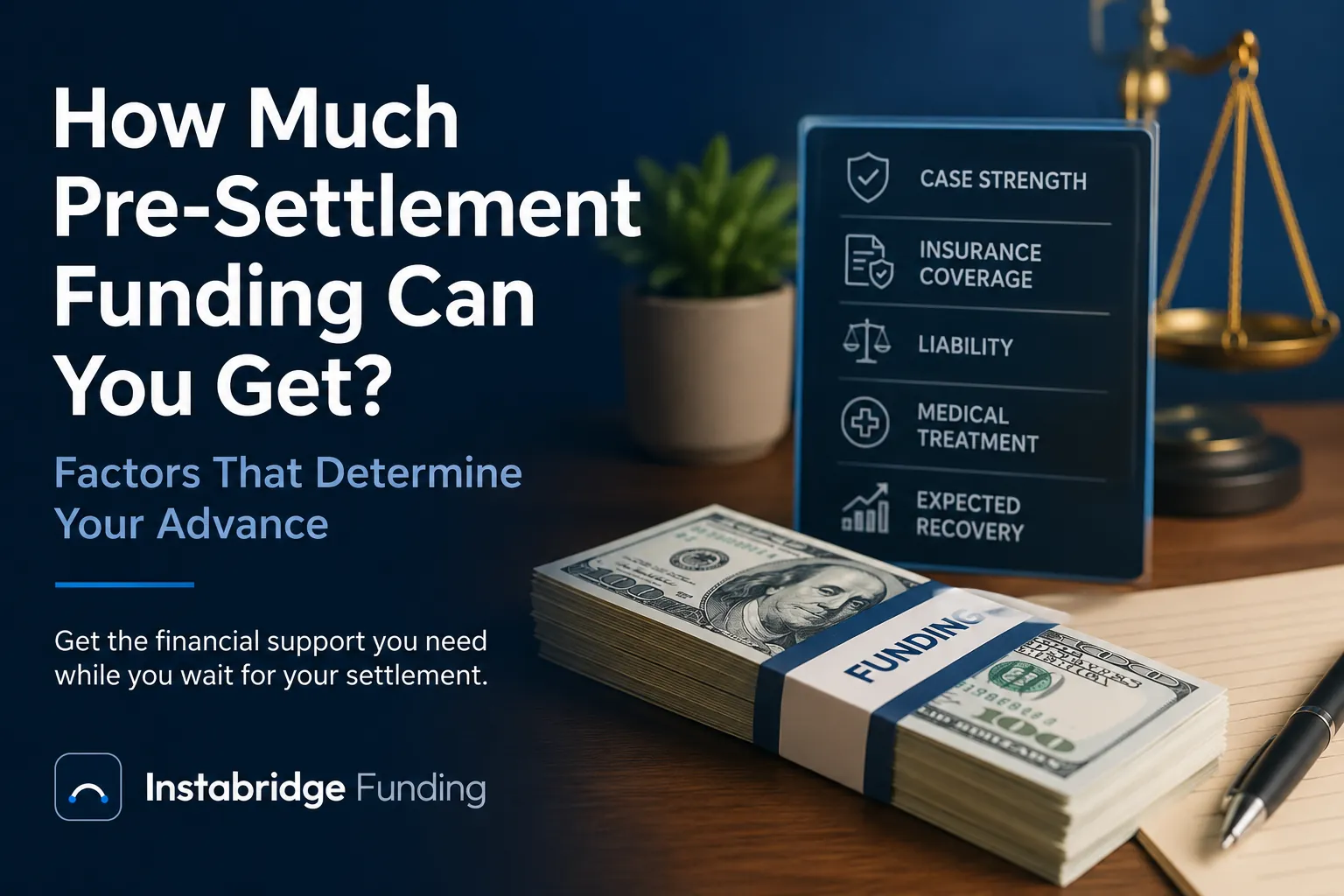
Funding providers assess defective automotive part cases with attention to the strength of the defect evidence and the liability theory. Considerations include:

  • Whether the defect has been identified and documented through expert analysis or recall records

  • Whether accident reconstruction or engineering experts have been or will be retained

  • The identity and financial resources of the manufacturer and any co-defendants

  • Insurance coverage available across all potentially responsible parties

  • The attorney's assessment of the applicable product liability theory and realistic case value

Cases where the defect is clearly established through expert analysis or recall documentation and liability evidence is strong are generally evaluated more favorably.

Can Plaintiffs Still Qualify for Funding?

Yes. Cases involving defective automotive parts may still qualify for pre-settlement funding. Approval depends on:

  • Medical documentation of the injury and its severity

  • Evidence establishing the defect and its causal connection to the accident or injury

  • Identification of viable defendants with available insurance coverage or financial resources

  • Attorney's assessment of the applicable product liability theory and case value

  • Stage of litigation

Funding providers evaluate the overall strength of the defect and causation evidence rather than the complexity of the product liability framework. Attorney input on the liability theory and the identified defendants is essential.

How Defective Automotive Part Cases Can Affect Timeline

Product liability cases involving automotive parts are typically more complex and time-consuming than standard motor vehicle negligence claims. Factors that can extend the timeline include:

  • Retention and preparation of automotive engineering experts

  • Preservation and analysis of the defective vehicle or component

  • Extensive discovery from vehicle manufacturers and parts suppliers

  • Possible involvement of National Highway Traffic Safety Administration recall records

  • Multiple defendants with separate legal counsel and discovery obligations

Pre-settlement funding can provide essential financial support during this extended litigation period.

Responsible Funding Evaluation

When a case involves a defective automotive part, funding providers assess the strength of the defect evidence and the identified defendants carefully. Evaluation may consider:

  • Strength of expert or recall evidence establishing the defect

  • Identity and financial resources of the manufacturer and co-defendants

  • Insurance coverage available across all potentially responsible parties

  • Medical documentation and injury severity

  • Attorney's overall assessment of realistic recovery

Advances are structured to reflect the complexity and duration of automotive product liability litigation. Non-recourse protection ensures repayment occurs only if recovery is obtained.

The Importance of Attorney Coordination

Attorney coordination is critical in defective automotive part cases where preserving the defective component and retaining appropriate experts are time-sensitive priorities. Legal counsel can explain:

  • What steps are being taken to preserve the vehicle and defective component as evidence

  • Which product liability theory applies to the specific defect and defendants

  • What expert testimony has been or will be retained

  • The expected timeline for completing expert discovery and pursuing resolution

Funding providers rely on this professional analysis to evaluate cases where the strength of the claim depends on technical defect evidence and expert support.

Why Plaintiffs Choose Instabridge

Instabridge understands that defective automotive part cases involve a level of technical and legal complexity that requires informed and careful evaluation. Our team works directly with attorneys to assess each case based on the available defect evidence, the identified defendants, and realistic recovery potential. We provide:

  • Clear written payoff disclosures

  • Flat-rate pricing without compounding fees

  • Non-recourse funding protection

  • Responsible advance limits

  • Transparent communication throughout the review process

Our goal is to provide financial support while your case progresses toward resolution regardless of the technical complexity of the product liability issues involved.

Conclusion: Funding Support After an Injury Caused by a Defective Automotive Part

Defective automotive part cases can support meaningful recovery through product liability theories when the defect is established and the responsible parties are identified. The technical complexity of these cases does not prevent pre-settlement funding approval when the underlying claim is well-supported by expert evidence and the available defendants have adequate insurance or financial resources. If you were injured due to a defective automotive part and need financial support while your case is pending, contact Instabridge. Our team will review your case carefully, coordinate with your attorney, and help you determine whether pre-settlement funding is an appropriate option.
Personal injury cases arising from defective automotive parts involve a product liability framework that can include vehicle manufacturers, component suppliers, distributors, and repair facilities as potentially responsible parties. When a vehicle accident or injury is caused by a faulty brake system, defective tire, failing steering component, or another automotive part, the legal analysis extends beyond standard motor vehicle negligence into product liability territory.

For plaintiffs injured due to defective automotive parts, understanding how these cases are evaluated and how they affect pre-settlement funding eligibility is important. The involvement of a vehicle manufacturer or parts supplier does not prevent recovery or funding approval when the defect and its causal connection to the injury are supported by the evidence.

How Defective Automotive Part Cases Arise

Claims involving defective automotive parts arise from a range of circumstances. Common examples in personal injury litigation include:

  • Brake system failures that prevent a driver from stopping in time to avoid a collision

  • Tire defects including tread separation or blowouts that cause loss of vehicle control

  • Steering component failures that prevent a driver from controlling the vehicle

  • Airbag defects that cause the airbag to deploy improperly or fail to deploy at all

  • Seat belt failures that allow excessive movement during a collision

  • Fuel system defects that result in fires following an accident

  • Electronic control system failures that affect acceleration, braking, or stability

Each type of defect involves specific questions about the design, manufacturing, and distribution of the component involved.

Legal Theories Applicable to Defective Automotive Part Claims

Product liability claims involving automotive parts may be pursued under several legal theories. These include:

  • Design defect claims where the component's design was inherently unsafe even when manufactured correctly

  • Manufacturing defect claims where a specific unit deviated from the intended design in a way that caused the failure

  • Failure to warn claims where the manufacturer did not adequately communicate known risks or limitations of the component

  • Negligence claims against a repair facility that improperly installed or failed to identify a defective part

  • Recall-related claims where a known defect was the subject of a recall that the owner was not adequately notified about

Attorneys assess which theory or theories best fit the specific facts of the case and the role of each potentially responsible party.

How Multiple Defendants Affect These Cases

Defective automotive part cases frequently involve multiple defendants with different roles in the chain of production and distribution. Potentially responsible parties may include:

  • The original vehicle manufacturer

  • The component or parts supplier who manufactured the defective part

  • A distributor or retailer who sold the component

  • A repair shop or dealership that installed or serviced the part

  • A rental car company or fleet operator responsible for vehicle maintenance

Identifying all responsible parties and their respective insurance coverage is an important step in maximizing available recovery.

How Defective Automotive Part Cases Affect Case Evaluation

Funding providers assess defective automotive part cases with attention to the strength of the defect evidence and the liability theory. Considerations include:

  • Whether the defect has been identified and documented through expert analysis or recall records

  • Whether accident reconstruction or engineering experts have been or will be retained

  • The identity and financial resources of the manufacturer and any co-defendants

  • Insurance coverage available across all potentially responsible parties

  • The attorney's assessment of the applicable product liability theory and realistic case value

Cases where the defect is clearly established through expert analysis or recall documentation and liability evidence is strong are generally evaluated more favorably.

Can Plaintiffs Still Qualify for Funding?

Yes. Cases involving defective automotive parts may still qualify for pre-settlement funding. Approval depends on:

  • Medical documentation of the injury and its severity

  • Evidence establishing the defect and its causal connection to the accident or injury

  • Identification of viable defendants with available insurance coverage or financial resources

  • Attorney's assessment of the applicable product liability theory and case value

  • Stage of litigation

Funding providers evaluate the overall strength of the defect and causation evidence rather than the complexity of the product liability framework. Attorney input on the liability theory and the identified defendants is essential.

How Defective Automotive Part Cases Can Affect Timeline

Product liability cases involving automotive parts are typically more complex and time-consuming than standard motor vehicle negligence claims. Factors that can extend the timeline include:

  • Retention and preparation of automotive engineering experts

  • Preservation and analysis of the defective vehicle or component

  • Extensive discovery from vehicle manufacturers and parts suppliers

  • Possible involvement of National Highway Traffic Safety Administration recall records

  • Multiple defendants with separate legal counsel and discovery obligations

Pre-settlement funding can provide essential financial support during this extended litigation period.

Responsible Funding Evaluation

When a case involves a defective automotive part, funding providers assess the strength of the defect evidence and the identified defendants carefully. Evaluation may consider:

  • Strength of expert or recall evidence establishing the defect

  • Identity and financial resources of the manufacturer and co-defendants

  • Insurance coverage available across all potentially responsible parties

  • Medical documentation and injury severity

  • Attorney's overall assessment of realistic recovery

Advances are structured to reflect the complexity and duration of automotive product liability litigation. Non-recourse protection ensures repayment occurs only if recovery is obtained.

The Importance of Attorney Coordination

Attorney coordination is critical in defective automotive part cases where preserving the defective component and retaining appropriate experts are time-sensitive priorities. Legal counsel can explain:

  • What steps are being taken to preserve the vehicle and defective component as evidence

  • Which product liability theory applies to the specific defect and defendants

  • What expert testimony has been or will be retained

  • The expected timeline for completing expert discovery and pursuing resolution

Funding providers rely on this professional analysis to evaluate cases where the strength of the claim depends on technical defect evidence and expert support.

Why Plaintiffs Choose Instabridge

Instabridge understands that defective automotive part cases involve a level of technical and legal complexity that requires informed and careful evaluation. Our team works directly with attorneys to assess each case based on the available defect evidence, the identified defendants, and realistic recovery potential. We provide:

  • Clear written payoff disclosures

  • Flat-rate pricing without compounding fees

  • Non-recourse funding protection

  • Responsible advance limits

  • Transparent communication throughout the review process

Our goal is to provide financial support while your case progresses toward resolution regardless of the technical complexity of the product liability issues involved.

Conclusion: Funding Support After an Injury Caused by a Defective Automotive Part

Defective automotive part cases can support meaningful recovery through product liability theories when the defect is established and the responsible parties are identified. The technical complexity of these cases does not prevent pre-settlement funding approval when the underlying claim is well-supported by expert evidence and the available defendants have adequate insurance or financial resources. If you were injured due to a defective automotive part and need financial support while your case is pending, contact Instabridge. Our team will review your case carefully, coordinate with your attorney, and help you determine whether pre-settlement funding is an appropriate option.

Back to blogs

Other Blogs

Waiting on a Settlement? Get Cash Now!

Instabridge Funding provides fast, risk-free legal funding.

Apply Now

Waiting on a Settlement? Get Cash Now!

Instabridge Funding provides fast, risk-free legal funding.

Apply Now

Pre-settlement funding built by a lawyer.

get in touch

© 2026 Instabridge Funding. All rights reserved.

Pre-settlement funding built by a lawyer.

get in touch

© 2026 Instabridge Funding. All rights reserved.

Pre-settlement funding built by a lawyer.

get in touch

© 2026 Instabridge Funding. All rights reserved.