Show table of contents · 10 sections▾
- How Language Barriers Affect Injury Claims
- The Role of Interpreters and Translated Documents
- How Medical Treatment Is Handled
- How Funding Providers Handle Language Differences
- Can Plaintiffs With Language Barriers Qualify for Funding?
- The Importance of Understanding Funding Terms
- Avoiding Miscommunication During Litigation
- Responsible Funding and Attorney Coordination
- Why Plaintiffs Choose Instabridge
- Conclusion: Clear Communication Supports Strong Cases
Personal injury litigation can be complex even under ideal circumstances. For plaintiffs who have limited English proficiency or who are more comfortable communicating in another language, the process can become significantly more challenging.
Language barriers can affect communication with attorneys, understanding of legal documents, and interaction with insurance companies. For plaintiffs considering pre-settlement funding, it is important to understand how these factors are addressed during both the legal process and funding evaluation.
With proper coordination, language differences do not prevent access to funding or recovery.
How Language Barriers Affect Injury Claims
Effective communication is essential in personal injury cases. Plaintiffs must be able to:
Describe how the accident occurred
Communicate symptoms accurately
Understand medical recommendations
Review legal documents
Participate in depositions or testimony
When language barriers exist, misunderstandings can occur if proper interpretation is not used.
Attorneys typically address this by working with professional interpreters or bilingual staff.
The Role of Interpreters and Translated Documents
Legal and medical professionals routinely work with interpreters to ensure accurate communication.
This may include:
Interpreters during attorney-client meetings
Translation of medical instructions
Interpretation during depositions
Translated settlement documents
Court-certified interpreters for hearings
Using qualified interpreters helps ensure that information is conveyed accurately and that the plaintiff fully understands each step of the process.
This is a standard practice in many jurisdictions.
How Medical Treatment Is Handled
Accurate communication during medical treatment is critical. Patients must be able to describe symptoms clearly and understand treatment plans.
Healthcare providers may:
Use interpreter services during appointments
Provide translated discharge instructions
Document symptoms with interpreter assistance
Consistent and accurate medical documentation strengthens the legal claim, regardless of language differences.
Funding providers rely on these medical records when evaluating the case.
How Funding Providers Handle Language Differences
Pre-settlement funding providers often work with plaintiffs from diverse linguistic backgrounds. When language barriers exist, responsible providers ensure that:
Communication occurs through the attorney when appropriate
Contracts are explained clearly
Questions are answered in a language the plaintiff understands
Key terms are reviewed before agreements are signed
Funding providers do not rely on direct communication alone. Attorney coordination helps ensure that the plaintiff fully understands the terms of the agreement.
Can Plaintiffs With Language Barriers Qualify for Funding?
Yes. Language proficiency does not affect eligibility for pre-settlement funding.
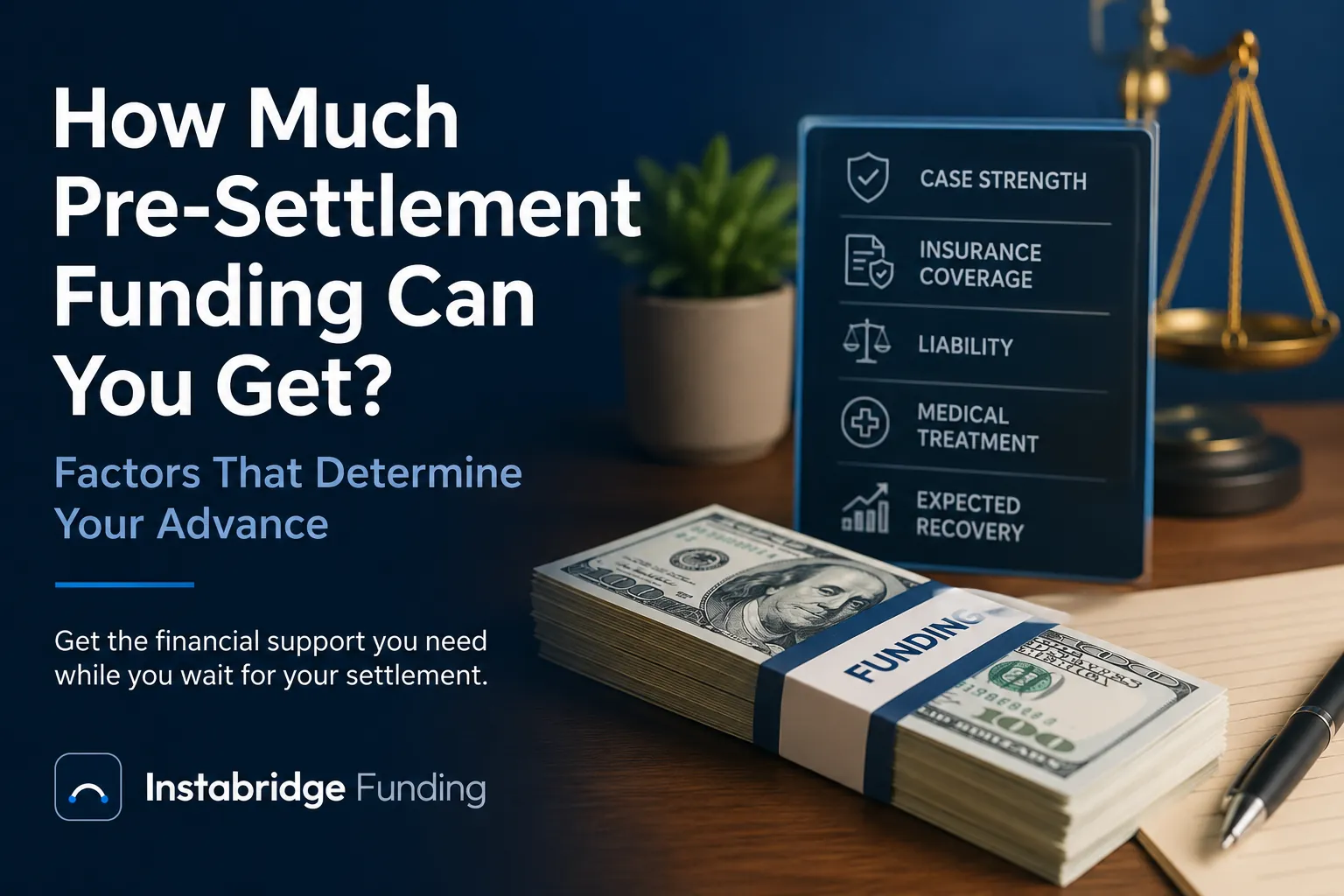
Approval is based on:
Strength of the legal claim
Medical documentation
Liability evidence
Insurance coverage availability
Attorney’s evaluation of case value
Funding providers focus on the merits of the case, not the plaintiff’s language ability.
The Importance of Understanding Funding Terms
Before accepting pre-settlement funding, it is essential that plaintiffs clearly understand the agreement.
Responsible providers ensure that:
Repayment terms are explained
Non-recourse protections are understood
Total repayment amounts are disclosed
Questions are addressed before signing
If necessary, explanations should be provided in the plaintiff’s preferred language.
Clear understanding helps prevent confusion later in the process.
Avoiding Miscommunication During Litigation
Language barriers can increase the risk of miscommunication if not properly managed.
Best practices include:
Using qualified interpreters rather than relying on informal translation
Reviewing documents carefully with legal counsel
Asking questions when clarification is needed
Confirming understanding of medical instructions
Attorneys play a central role in ensuring that communication remains accurate and complete.
Responsible Funding and Attorney Coordination
Attorney coordination is especially important in cases involving language differences. Legal counsel can:
Confirm that the plaintiff understands funding terms
Provide translated explanations if needed
Ensure documentation is accurate
Coordinate communication between parties
Funding providers rely on attorneys to help maintain clarity and protect the plaintiff’s interests.
This collaborative approach supports both transparency and accuracy.
Why Plaintiffs Choose Instabridge
Instabridge works with plaintiffs from diverse backgrounds and understands the importance of clear communication. We coordinate closely with attorneys to ensure that all terms are explained and understood before funding is provided.
We offer:
Clear written payoff disclosures
Flat-rate pricing without compounding fees
Non-recourse funding protection
Responsible advance limits
Transparent communication throughout the process
Our goal is to make funding accessible while maintaining clarity and professionalism.
Conclusion: Clear Communication Supports Strong Cases
Language barriers can add complexity to personal injury litigation, but they do not prevent plaintiffs from pursuing valid claims or accessing financial support during the process.
With proper use of interpreters, attorney coordination, and clear communication, plaintiffs can navigate both litigation and funding confidently.
If you are pursuing a personal injury claim and need financial support while overcoming language barriers, contact Instabridge. Our team will work with your attorney to ensure you fully understand your options and can make informed decisions about pre-settlement funding.