
GUIDE

Pre-Settlement Funding in Cases Involving Minors or Court-Approved Settlements

Pre-Settlement Funding in Cases Involving Minors or Court-Approved Settlements

Personal injury cases involving minors follow a different legal process than standard adult claims. Because minors cannot legally enter binding contracts or settle claims independently, courts often require additional oversight to ensure that any settlement is fair and in the child’s best interest.

For families considering pre-settlement funding, it is important to understand how these additional requirements affect both the litigation process and funding eligibility. While funding may still be available in certain circumstances, it must be structured carefully and in coordination with legal counsel.

Why Minor Settlements Require Court Approval

In most jurisdictions, settlements involving minors must be approved by a court before funds can be disbursed. This process is designed to protect the minor’s financial interests.

Court approval may involve:

  • Reviewing the total settlement amount

  • Evaluating attorney fees and costs

  • Assessing medical expenses and liens

  • Ensuring the settlement is fair and reasonable

Judges may require documentation or hearings before approving the agreement.

This additional step can extend the timeline of the case.

How Settlement Funds Are Typically Handled

Once a settlement involving a minor is approved, funds are often managed in a structured or protected manner.

Common arrangements include:

  • Deposits into restricted bank accounts

  • Court-supervised trusts

  • Structured settlements with periodic payments

  • Guardianship accounts

Access to funds may be limited until the minor reaches the age of majority, except for approved expenses such as medical care or education.

These safeguards are intended to preserve the settlement for the minor’s long-term benefit.

How Pre-Settlement Funding Works in Minor Cases

Pre-settlement funding in cases involving minors is more limited and must be approached carefully.

Key considerations include:

  • The funding agreement typically involves the parent or legal guardian

  • Court approval may be required depending on jurisdiction

  • The funding must not interfere with the minor’s protected settlement structure

  • Attorney involvement is essential throughout the process

Funding providers must ensure that any advance complies with legal requirements and does not compromise the minor’s future recovery.

Can Funding Be Used for Family Expenses?

In some situations, families face financial strain while a minor’s case is pending. Medical care, transportation, time off work, and other expenses can create pressure.

Pre-settlement funding may be considered to help address:

  • Household expenses related to the injury

  • Ongoing medical costs

  • Transportation for treatment

  • Lost income for a caregiving parent

However, funding must be structured responsibly to ensure that the minor’s settlement remains protected.

Courts may review these arrangements depending on local rules.

How Funding Providers Evaluate Minor Cases

Funding providers evaluate cases involving minors with additional caution. Review typically includes:

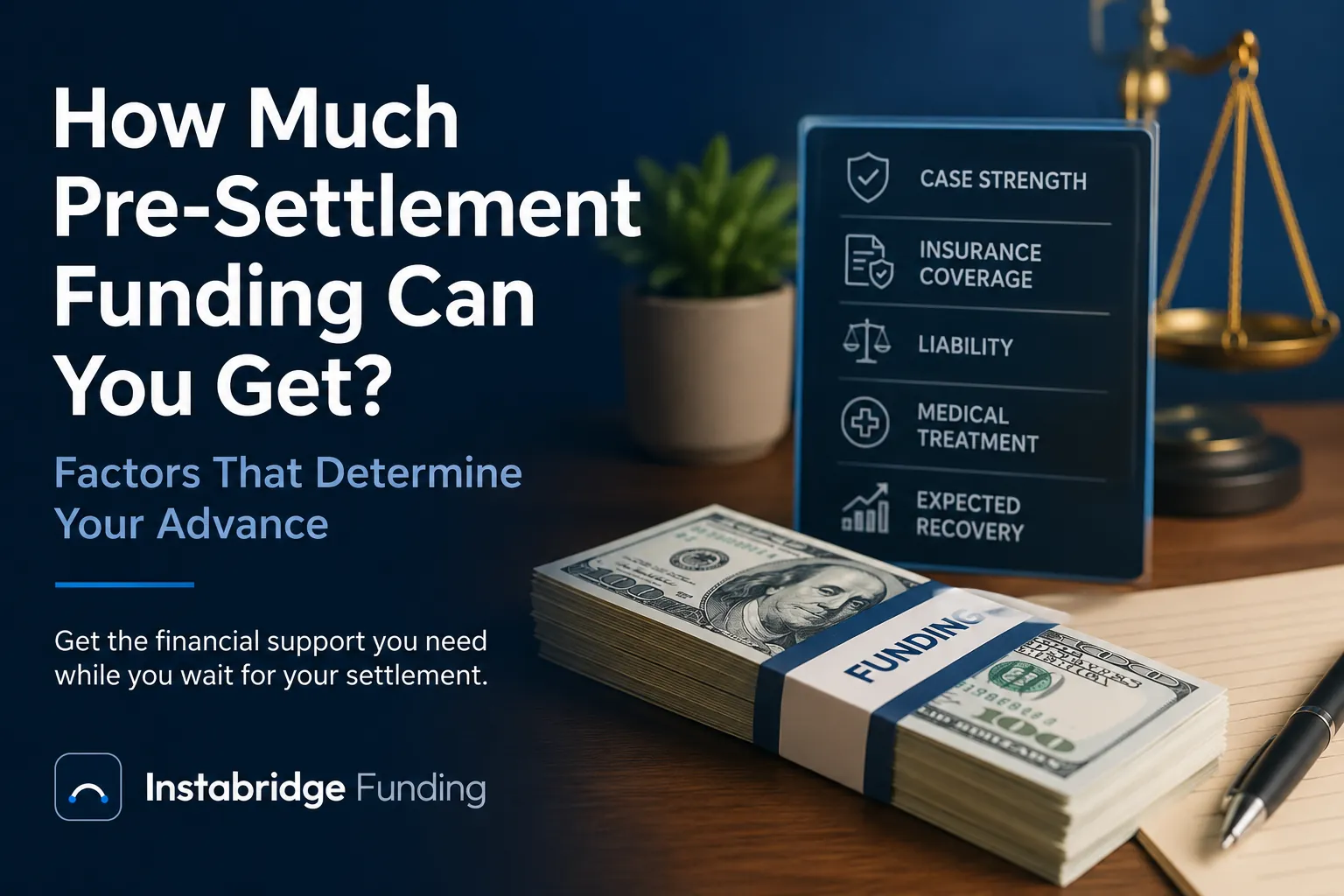
  • Liability strength

  • Medical documentation of the minor’s injuries

  • Insurance coverage availability

  • Expected settlement value

  • Applicable court approval requirements

  • Attorney’s assessment of the case

Because settlement funds are often protected, providers must ensure that repayment can be handled appropriately at resolution.

Attorney coordination is critical in this process.

Why These Cases May Take Longer

Cases involving minors often require more time to resolve due to:

  • Court approval procedures

  • Additional documentation requirements

  • Structured settlement planning

  • Judicial review of settlement terms

Even after a settlement agreement is reached, funds may not be distributed until the court approves the arrangement.

This extended timeline can create financial challenges for families.

Responsible Funding Considerations

Responsible funding providers take a conservative approach in cases involving minors. Evaluation may consider:

  • The portion of the settlement available for immediate disbursement

  • Legal restrictions on accessing funds

  • Court approval requirements

  • Long-term financial protection of the minor

Advances are structured carefully to avoid interfering with the court-approved settlement structure.

Non-recourse protection remains in place, meaning repayment occurs only if the case results in recovery.

The Importance of Attorney and Court Coordination

In cases involving minors, coordination extends beyond the attorney to include the court when required.

Legal counsel can:

  • Confirm whether funding is permissible

  • Ensure compliance with court rules

  • Coordinate approval if necessary

  • Protect the minor’s financial interests

Funding providers rely entirely on attorney guidance in these cases and do not proceed without proper legal oversight.

This ensures that all actions remain compliant with applicable laws.

Why Plaintiffs Choose Instabridge

Instabridge understands the additional care required in cases involving minors. We work closely with attorneys to ensure that any funding arrangement is handled responsibly and in compliance with legal requirements.

We provide:

  • Clear written payoff disclosures

  • Flat-rate pricing without compounding fees

  • Non-recourse funding protection

  • Careful, conservative advance structuring

  • Transparent communication throughout the process

Our priority is to support families while preserving the long-term interests of the minor.

Conclusion: Protecting the Interests of Injured Minors

Personal injury cases involving minors require additional safeguards to ensure that settlements are fair and properly managed. While this process may extend the timeline of resolution, it provides important protection for the child’s financial future.

Pre-settlement funding may still be an option in certain situations, provided it is structured responsibly and coordinated with legal counsel and, when necessary, court approval.

If your child is involved in a personal injury case and your family needs financial support during litigation, contact Instabridge. We will review your case carefully, coordinate with your attorney, and help determine whether funding is appropriate while ensuring compliance with all legal requirements.

Personal injury cases involving minors follow a different legal process than standard adult claims. Because minors cannot legally enter binding contracts or settle claims independently, courts often require additional oversight to ensure that any settlement is fair and in the child’s best interest.

For families considering pre-settlement funding, it is important to understand how these additional requirements affect both the litigation process and funding eligibility. While funding may still be available in certain circumstances, it must be structured carefully and in coordination with legal counsel.

Why Minor Settlements Require Court Approval

In most jurisdictions, settlements involving minors must be approved by a court before funds can be disbursed. This process is designed to protect the minor’s financial interests.

Court approval may involve:

  • Reviewing the total settlement amount

  • Evaluating attorney fees and costs

  • Assessing medical expenses and liens

  • Ensuring the settlement is fair and reasonable

Judges may require documentation or hearings before approving the agreement.

This additional step can extend the timeline of the case.

How Settlement Funds Are Typically Handled

Once a settlement involving a minor is approved, funds are often managed in a structured or protected manner.

Common arrangements include:

  • Deposits into restricted bank accounts

  • Court-supervised trusts

  • Structured settlements with periodic payments

  • Guardianship accounts

Access to funds may be limited until the minor reaches the age of majority, except for approved expenses such as medical care or education.

These safeguards are intended to preserve the settlement for the minor’s long-term benefit.

How Pre-Settlement Funding Works in Minor Cases

Pre-settlement funding in cases involving minors is more limited and must be approached carefully.

Key considerations include:

  • The funding agreement typically involves the parent or legal guardian

  • Court approval may be required depending on jurisdiction

  • The funding must not interfere with the minor’s protected settlement structure

  • Attorney involvement is essential throughout the process

Funding providers must ensure that any advance complies with legal requirements and does not compromise the minor’s future recovery.

Can Funding Be Used for Family Expenses?

In some situations, families face financial strain while a minor’s case is pending. Medical care, transportation, time off work, and other expenses can create pressure.

Pre-settlement funding may be considered to help address:

  • Household expenses related to the injury

  • Ongoing medical costs

  • Transportation for treatment

  • Lost income for a caregiving parent

However, funding must be structured responsibly to ensure that the minor’s settlement remains protected.

Courts may review these arrangements depending on local rules.

How Funding Providers Evaluate Minor Cases

Funding providers evaluate cases involving minors with additional caution. Review typically includes:

  • Liability strength

  • Medical documentation of the minor’s injuries

  • Insurance coverage availability

  • Expected settlement value

  • Applicable court approval requirements

  • Attorney’s assessment of the case

Because settlement funds are often protected, providers must ensure that repayment can be handled appropriately at resolution.

Attorney coordination is critical in this process.

Why These Cases May Take Longer

Cases involving minors often require more time to resolve due to:

  • Court approval procedures

  • Additional documentation requirements

  • Structured settlement planning

  • Judicial review of settlement terms

Even after a settlement agreement is reached, funds may not be distributed until the court approves the arrangement.

This extended timeline can create financial challenges for families.

Responsible Funding Considerations

Responsible funding providers take a conservative approach in cases involving minors. Evaluation may consider:

  • The portion of the settlement available for immediate disbursement

  • Legal restrictions on accessing funds

  • Court approval requirements

  • Long-term financial protection of the minor

Advances are structured carefully to avoid interfering with the court-approved settlement structure.

Non-recourse protection remains in place, meaning repayment occurs only if the case results in recovery.

The Importance of Attorney and Court Coordination

In cases involving minors, coordination extends beyond the attorney to include the court when required.

Legal counsel can:

  • Confirm whether funding is permissible

  • Ensure compliance with court rules

  • Coordinate approval if necessary

  • Protect the minor’s financial interests

Funding providers rely entirely on attorney guidance in these cases and do not proceed without proper legal oversight.

This ensures that all actions remain compliant with applicable laws.

Why Plaintiffs Choose Instabridge

Instabridge understands the additional care required in cases involving minors. We work closely with attorneys to ensure that any funding arrangement is handled responsibly and in compliance with legal requirements.

We provide:

  • Clear written payoff disclosures

  • Flat-rate pricing without compounding fees

  • Non-recourse funding protection

  • Careful, conservative advance structuring

  • Transparent communication throughout the process

Our priority is to support families while preserving the long-term interests of the minor.

Conclusion: Protecting the Interests of Injured Minors

Personal injury cases involving minors require additional safeguards to ensure that settlements are fair and properly managed. While this process may extend the timeline of resolution, it provides important protection for the child’s financial future.

Pre-settlement funding may still be an option in certain situations, provided it is structured responsibly and coordinated with legal counsel and, when necessary, court approval.

If your child is involved in a personal injury case and your family needs financial support during litigation, contact Instabridge. We will review your case carefully, coordinate with your attorney, and help determine whether funding is appropriate while ensuring compliance with all legal requirements.

Personal injury cases involving minors follow a different legal process than standard adult claims. Because minors cannot legally enter binding contracts or settle claims independently, courts often require additional oversight to ensure that any settlement is fair and in the child’s best interest.

For families considering pre-settlement funding, it is important to understand how these additional requirements affect both the litigation process and funding eligibility. While funding may still be available in certain circumstances, it must be structured carefully and in coordination with legal counsel.

Why Minor Settlements Require Court Approval

In most jurisdictions, settlements involving minors must be approved by a court before funds can be disbursed. This process is designed to protect the minor’s financial interests.

Court approval may involve:

  • Reviewing the total settlement amount

  • Evaluating attorney fees and costs

  • Assessing medical expenses and liens

  • Ensuring the settlement is fair and reasonable

Judges may require documentation or hearings before approving the agreement.

This additional step can extend the timeline of the case.

How Settlement Funds Are Typically Handled

Once a settlement involving a minor is approved, funds are often managed in a structured or protected manner.

Common arrangements include:

  • Deposits into restricted bank accounts

  • Court-supervised trusts

  • Structured settlements with periodic payments

  • Guardianship accounts

Access to funds may be limited until the minor reaches the age of majority, except for approved expenses such as medical care or education.

These safeguards are intended to preserve the settlement for the minor’s long-term benefit.

How Pre-Settlement Funding Works in Minor Cases

Pre-settlement funding in cases involving minors is more limited and must be approached carefully.

Key considerations include:

  • The funding agreement typically involves the parent or legal guardian

  • Court approval may be required depending on jurisdiction

  • The funding must not interfere with the minor’s protected settlement structure

  • Attorney involvement is essential throughout the process

Funding providers must ensure that any advance complies with legal requirements and does not compromise the minor’s future recovery.

Can Funding Be Used for Family Expenses?

In some situations, families face financial strain while a minor’s case is pending. Medical care, transportation, time off work, and other expenses can create pressure.

Pre-settlement funding may be considered to help address:

  • Household expenses related to the injury

  • Ongoing medical costs

  • Transportation for treatment

  • Lost income for a caregiving parent

However, funding must be structured responsibly to ensure that the minor’s settlement remains protected.

Courts may review these arrangements depending on local rules.

How Funding Providers Evaluate Minor Cases

Funding providers evaluate cases involving minors with additional caution. Review typically includes:

  • Liability strength

  • Medical documentation of the minor’s injuries

  • Insurance coverage availability

  • Expected settlement value

  • Applicable court approval requirements

  • Attorney’s assessment of the case

Because settlement funds are often protected, providers must ensure that repayment can be handled appropriately at resolution.

Attorney coordination is critical in this process.

Why These Cases May Take Longer

Cases involving minors often require more time to resolve due to:

  • Court approval procedures

  • Additional documentation requirements

  • Structured settlement planning

  • Judicial review of settlement terms

Even after a settlement agreement is reached, funds may not be distributed until the court approves the arrangement.

This extended timeline can create financial challenges for families.

Responsible Funding Considerations

Responsible funding providers take a conservative approach in cases involving minors. Evaluation may consider:

  • The portion of the settlement available for immediate disbursement

  • Legal restrictions on accessing funds

  • Court approval requirements

  • Long-term financial protection of the minor

Advances are structured carefully to avoid interfering with the court-approved settlement structure.

Non-recourse protection remains in place, meaning repayment occurs only if the case results in recovery.

The Importance of Attorney and Court Coordination

In cases involving minors, coordination extends beyond the attorney to include the court when required.

Legal counsel can:

  • Confirm whether funding is permissible

  • Ensure compliance with court rules

  • Coordinate approval if necessary

  • Protect the minor’s financial interests

Funding providers rely entirely on attorney guidance in these cases and do not proceed without proper legal oversight.

This ensures that all actions remain compliant with applicable laws.

Why Plaintiffs Choose Instabridge

Instabridge understands the additional care required in cases involving minors. We work closely with attorneys to ensure that any funding arrangement is handled responsibly and in compliance with legal requirements.

We provide:

  • Clear written payoff disclosures

  • Flat-rate pricing without compounding fees

  • Non-recourse funding protection

  • Careful, conservative advance structuring

  • Transparent communication throughout the process

Our priority is to support families while preserving the long-term interests of the minor.

Conclusion: Protecting the Interests of Injured Minors

Personal injury cases involving minors require additional safeguards to ensure that settlements are fair and properly managed. While this process may extend the timeline of resolution, it provides important protection for the child’s financial future.

Pre-settlement funding may still be an option in certain situations, provided it is structured responsibly and coordinated with legal counsel and, when necessary, court approval.

If your child is involved in a personal injury case and your family needs financial support during litigation, contact Instabridge. We will review your case carefully, coordinate with your attorney, and help determine whether funding is appropriate while ensuring compliance with all legal requirements.

Back to blogs

Other Blogs

Waiting on a Settlement? Get Cash Now!

Instabridge Funding provides fast, risk-free legal funding.

Apply Now

Waiting on a Settlement? Get Cash Now!

Instabridge Funding provides fast, risk-free legal funding.

Apply Now