Show table of contents · 13 sections▾
- What Are Damage Caps?
- Medical malpractice cases
- Government or public entity claims
- Punitive damages
- States Commonly Associated With Damage Caps
- How Damage Caps Affect Settlement Value
- Does a Damage Cap Prevent Pre-Settlement Funding?
- How Funding Is Evaluated in Capped States
- Why Responsible Funding Matters More in Capped Cases
- How Pre-Settlement Funding Still Helps in Capped States
- The Role of Your Attorney in Capped Cases
- Why Plaintiffs in Capped States Trust Instabridge
- Conclusion: Damage Caps Don’t Eliminate Your Options
Not all personal injury cases are governed by the same rules. In some states, laws place caps on certain types of damages, limiting how much compensation a plaintiff can recover—regardless of how severe the injury may be. These caps can affect settlement value, litigation strategy, and how pre-settlement funding is evaluated.
If your case is in a state with damage caps, understanding how those limits work—and how they impact pre-settlement funding—is essential to making informed financial decisions during your lawsuit.
What Are Damage Caps?
Damage caps are statutory limits set by state law that restrict how much a plaintiff can recover for specific categories of damages.
Caps most commonly apply to:
Non-economic damages (pain and suffering, emotional distress)
Medical malpractice cases
Government or public entity claims
Punitive damages
Economic damages—such as medical bills and lost wages—are often not capped, but this varies by state and case type.
States Commonly Associated With Damage Caps
Damage cap laws differ widely across the U.S. Some states impose strict limits, while others have none at all. Caps are most often seen in:
Medical malpractice lawsuits
Claims against government entities
Certain wrongful death cases
Professional negligence claims
Your attorney can explain exactly how your state’s laws apply to your case.
How Damage Caps Affect Settlement Value
When damage caps apply, they can limit the maximum potential recovery—regardless of injury severity. This affects:
Negotiation leverage
Case valuation
Insurance settlement strategy
Trial risk assessment
Insurance companies are well aware of caps and often use them to justify lower settlement offers.
Does a Damage Cap Prevent Pre-Settlement Funding?
No.
Damage caps do not automatically disqualify you from pre-settlement funding.
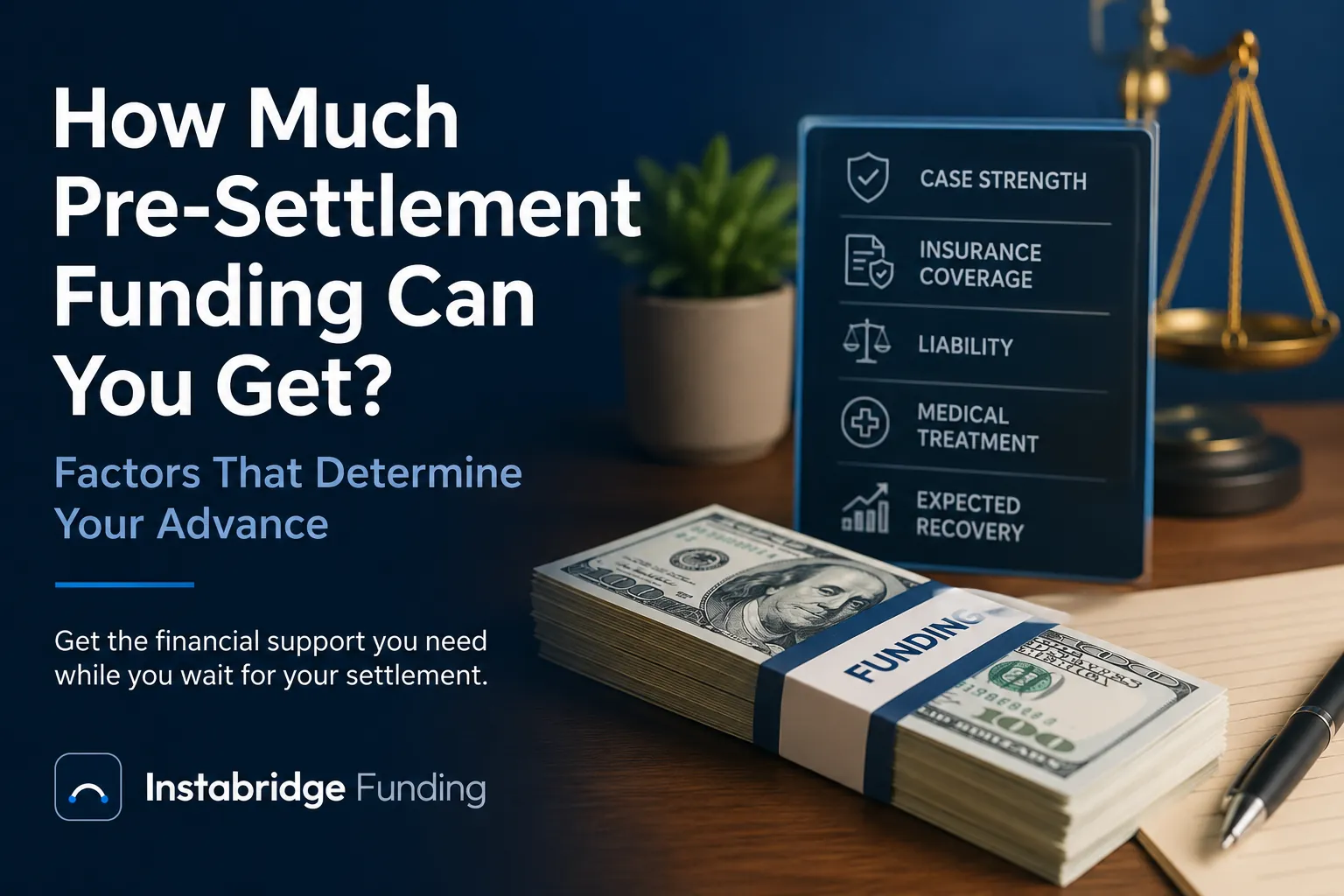
Funding eligibility is based on:
Overall case strength
Liability
Available insurance coverage
Economic damages
Attorney assessment
Even in capped states, many cases still qualify for funding—especially when economic damages are substantial.
How Funding Is Evaluated in Capped States
When damage caps apply, responsible funding providers adjust their evaluation by considering:
The applicable cap amount
The portion of damages subject to the cap
Uncapped economic damages
Medical expenses and future care
Lost income and earning capacity
Attorney fees and liens
Funding decisions are structured conservatively to protect the plaintiff’s final recovery.
Why Responsible Funding Matters More in Capped Cases
Because recovery limits are known, overfunding can significantly reduce what a plaintiff takes home. Ethical funding providers ensure:
Advances are proportional to capped recovery
Plaintiffs retain meaningful compensation
Funding does not distort settlement incentives
Attorneys remain fully aligned with case strategy
Instabridge prioritizes measured, strategic funding—especially in capped jurisdictions.
How Pre-Settlement Funding Still Helps in Capped States
Even with damage caps, funding can provide critical benefits, including:
Covering rent, mortgage, and utilities
Paying medical co-pays and treatment costs
Preventing reliance on high-interest debt
Allowing time for proper case development
Reducing pressure to accept early low offers
Funding supports stability—even when recovery limits exist.
The Role of Your Attorney in Capped Cases
Your attorney plays a key role in:
Identifying applicable caps
Maximizing uncapped damages
Negotiating lien reductions
Structuring settlements strategically
Coordinating responsibly with funding providers
Instabridge works closely with attorneys to ensure funding complements—not complicates—the legal strategy.
Why Plaintiffs in Capped States Trust Instabridge
Instabridge understands how damage caps affect litigation and funding decisions. We offer:
Clear explanations of how caps impact funding
Transparent, flat-rate pricing
Non-recourse protection—repayment only if you win
Attorney coordination
Conservative funding limits to protect net recovery
We focus on long-term outcomes—not short-term pressure.
Conclusion: Damage Caps Don’t Eliminate Your Options
While damage caps can limit recovery, they don’t eliminate the need for financial stability during a lawsuit. Pre-settlement funding from Instabridge helps plaintiffs in capped states manage expenses responsibly while their case moves forward.
If you’re unsure how damage caps affect your lawsuit—or whether funding is appropriate—contact Instabridge today. We’ll review your case carefully and help you make an informed, confident decision.