Show table of contents · 10 sections▾
- Should I use pre-settlement funding to pay off debt while my lawsuit is pending?
- Why Debt Becomes a Problem During Litigation
- How Pre-Settlement Funding Can Help With Debt
- Types of Debt That May Make Sense to Address
- Debt That May Require More Caution
- Why Paying Off Some Debt Can Strengthen Your Case
- The Risk of Overusing Funding
- How Instabridge Helps Plaintiffs Decide Responsibly
- Alternatives to Paying Off Debt With Funding
- Conclusion: Use Funding Strategically—Not Reactively
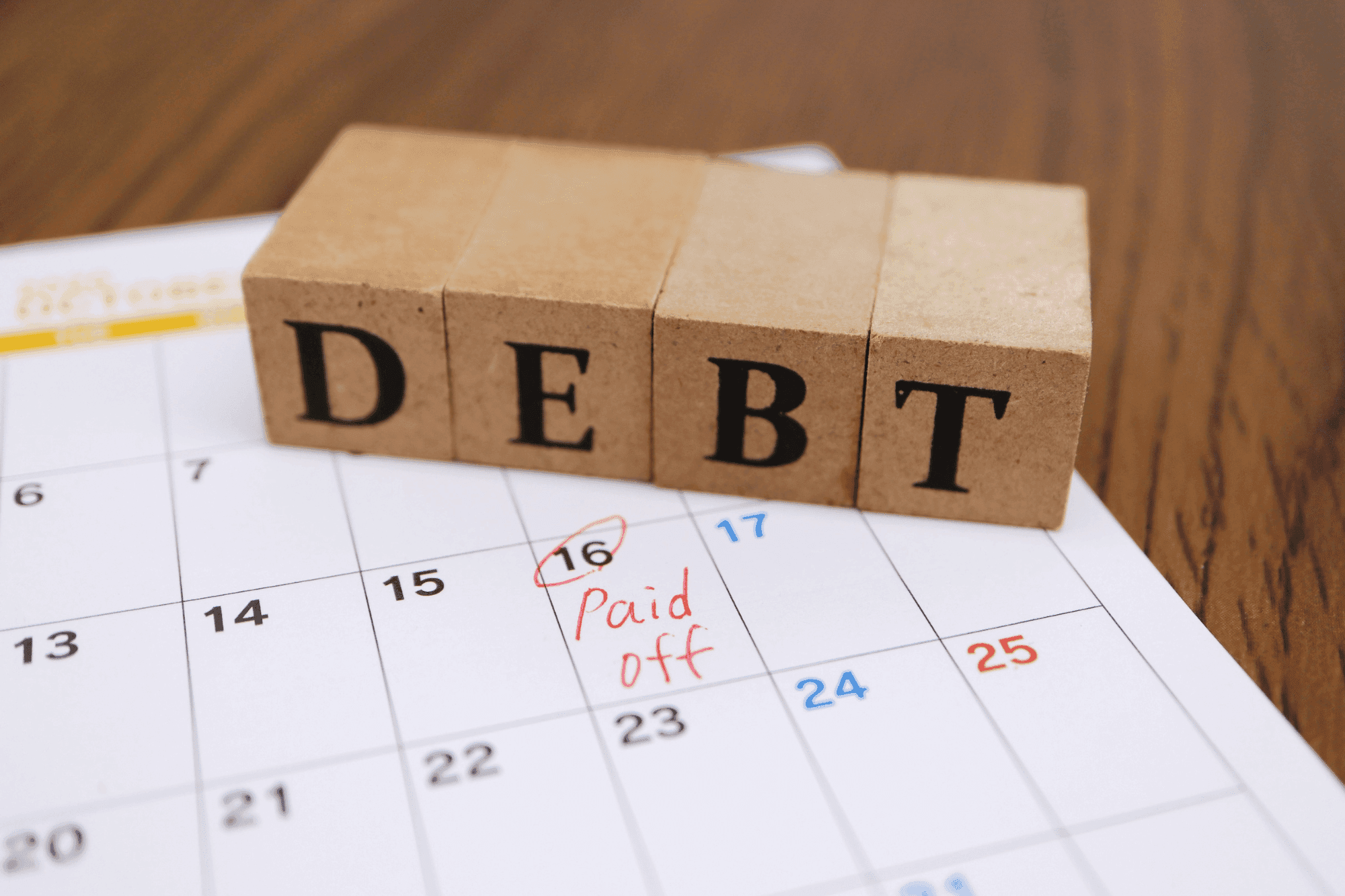
After an injury, financial pressure can escalate quickly. Medical bills, missed work, and everyday expenses often force plaintiffs to rely on credit cards, personal loans, or past-due accounts just to get by. As balances grow and collections loom, many plaintiffs ask an important question:
Should I use pre-settlement funding to pay off debt while my lawsuit is pending?
The answer depends on the type of debt, your overall financial situation, and how responsibly the funding is used. This article explains when paying off debt with pre-settlement funding can make sense—and when caution is warranted.
Why Debt Becomes a Problem During Litigation
Injury-related lawsuits often take months or years to resolve. During that time, plaintiffs may face:
Reduced or lost income
Ongoing medical expenses
Credit card balances with high interest
Past-due utility or housing bills
Collection notices and late fees
Debt can quickly compound, creating stress that affects recovery and decision-making in the case.
How Pre-Settlement Funding Can Help With Debt
Pre-settlement funding provides a non-recourse cash advance, meaning:
You receive funds before your case resolves
You only repay if your case wins or settles
There are no monthly payments
If the case is unsuccessful, you owe nothing
Used carefully, funding can stop debt from spiraling further.
Types of Debt That May Make Sense to Address
Some debts are more urgent or harmful than others. Pre-settlement funding is often used to address:
High-Interest Credit Cards
Paying down or paying off high-interest balances can prevent compounding interest that quickly exceeds the cost of funding.
Housing-Related Debt
Past-due rent, mortgage payments, or utility bills can threaten housing stability. Protecting your home is often a top priority.
Accounts at Risk of Collections
Stopping accounts from going to collections can prevent credit damage and constant creditor pressure during litigation.
Essential Living Expenses
Covering basic needs prevents reliance on payday loans or additional credit.
Debt That May Require More Caution
Not all debt should be paid off immediately. Plaintiffs should think carefully before using funding for:
Large, non-essential purchases
Long-term debt that isn’t urgent
Debts that can be temporarily deferred
Obligations that may be negotiated later
Responsible funding focuses on stability, not wiping out every balance at once.
Why Paying Off Some Debt Can Strengthen Your Case
Reducing financial pressure can have a direct impact on your legal case. When debt is controlled, plaintiffs are better able to:
Continue medical treatment without interruption
Avoid gaps in care that insurers exploit
Stay focused and responsive during litigation
Resist pressure to accept low settlement offers
Allow attorneys time to negotiate properly
Financial stability supports better legal outcomes.
The Risk of Overusing Funding
While funding can be helpful, taking too much can reduce your final recovery. Responsible funding providers evaluate:
Total case value
Existing liens and attorney fees
Necessary living expenses
The impact on your eventual settlement
Using funding strategically—rather than emotionally—helps protect your long-term interests.
How Instabridge Helps Plaintiffs Decide Responsibly
Instabridge doesn’t push plaintiffs to take more funding than they need. We provide:
Honest guidance on appropriate funding amounts
Transparent, flat-rate pricing with no compounding interest
Non-recourse protection—repayment only if you win
Attorney coordination to protect the case
Clear explanations of trade-offs and timing
Our goal is stability today without sacrificing tomorrow.
Alternatives to Paying Off Debt With Funding
In some cases, it may be wise to combine funding with other strategies, such as:
Temporary hardship programs from creditors
Utility or rent assistance programs
Payment plans negotiated by your attorney
Short-term deferrals or forbearance
Funding can complement these strategies rather than replace them.
Conclusion: Use Funding Strategically—Not Reactively
Using pre-settlement funding to address certain debts can be a smart decision when done carefully and responsibly. The key is focusing on preventing financial harm, not eliminating every obligation at once.
If you’re struggling with debt during a pending lawsuit and unsure how funding fits into your financial plan, contact Instabridge today. We’ll help you evaluate your options and determine whether pre-settlement funding can provide relief—without jeopardizing your future settlement.