Show table of contents · 11 sections▾
- Why Medical Consistency Matters in Injury Claims
- Common Reasons for Treatment Gaps
- How Funding Companies Evaluate Treatment Gaps
- The Role of Medical Records in Funding Decisions
- Can You Still Get Funding With a Treatment Gap?
- How Plaintiffs Can Protect Their Case
- The Financial Reality Behind Treatment Gaps
- The Importance of Attorney Coordination
- Responsible Advance Limits
- Why Plaintiffs Trust Instabridge
- Conclusion: Context and Transparency Matter
Consistent medical treatment plays a central role in personal injury litigation. Medical records document the severity of injuries, establish causation, and help quantify damages. When treatment is delayed or interrupted, insurers often scrutinize the claim more closely.
For plaintiffs considering pre-settlement funding, understanding how treatment gaps affect case evaluation is essential. Funding decisions are based on projected case strength and settlement value, and medical documentation is a primary component of that analysis.
This does not mean that all gaps prevent funding. However, context and documentation matter.
Why Medical Consistency Matters in Injury Claims
Insurance companies evaluate claims by examining medical records over time. Ongoing treatment demonstrates that injuries are real, persistent, and connected to the accident.
When treatment stops unexpectedly, defense attorneys may argue:
The injury was minor or resolved
The plaintiff is exaggerating symptoms
The condition was unrelated to the incident
Damages are limited
These arguments can influence settlement negotiations and potentially reduce case value.
Funding providers must consider how these risks may affect projected recovery.
Common Reasons for Treatment Gaps
A break in treatment does not automatically signal a weak case. There are many legitimate reasons why plaintiffs may pause care.
Common causes include:
Lack of health insurance
Inability to afford co-pays
Transportation challenges
Scheduling delays
Relocation
Temporary improvement followed by relapse
Waiting for specialist approval
In some cases, plaintiffs stop treatment because they believe they are improving, only to later experience complications.
The key factor is explanation and documentation.
How Funding Companies Evaluate Treatment Gaps
Pre-settlement funding companies rely on attorney input and medical documentation when reviewing applications. When a gap appears in records, providers typically look for:
Length of the interruption
Medical explanation for the pause
Whether treatment resumed
Updated diagnostic findings
Ongoing symptoms
Attorney’s assessment of impact on damages
Short, documented interruptions may have minimal impact. Extended gaps without explanation may introduce uncertainty.
Responsible providers factor these risks into advance amounts rather than issuing approvals based solely on optimism.
The Role of Medical Records in Funding Decisions
Medical records help establish:
Injury severity
Treatment frequency
Specialist involvement
Diagnostic testing results
Surgical recommendations
Future care projections
When records are current and consistent, case value projections are more stable. When documentation is outdated, providers may request updated information before making a decision.
This protects plaintiffs from advances that exceed realistic settlement expectations.
Can You Still Get Funding With a Treatment Gap?
Yes. Many plaintiffs with treatment interruptions still qualify for pre-settlement funding.
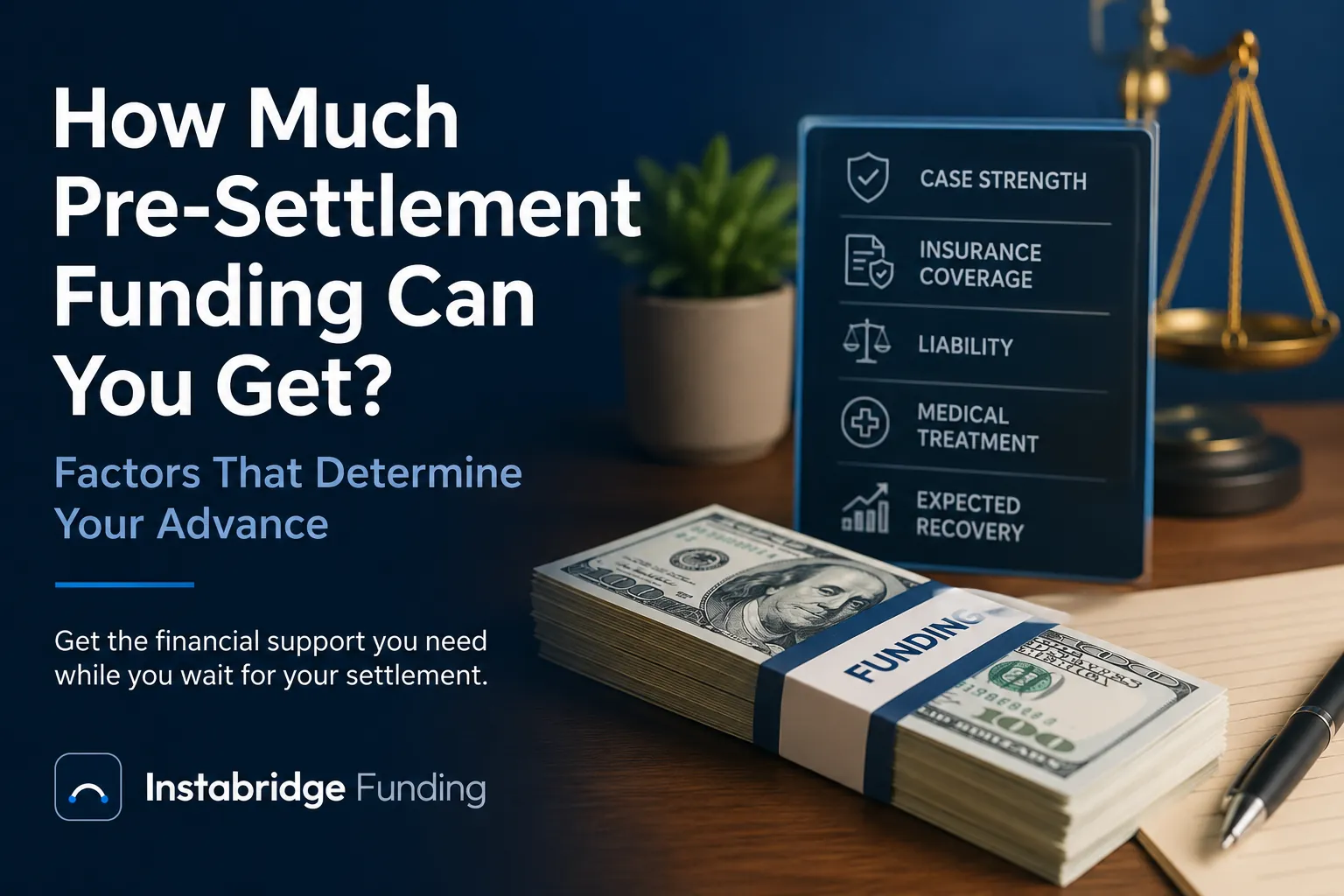
Approval depends on:
Overall liability strength
Insurance coverage
Nature of injuries
Resumption of care
Supporting documentation
Attorney evaluation
Non-recourse funding means repayment occurs only if the case resolves successfully. However, responsible providers still assess risk carefully to protect both the plaintiff and the integrity of the funding arrangement.
How Plaintiffs Can Protect Their Case
If you have experienced a treatment gap, consider the following steps:
Discuss the interruption openly with your attorney.
Resume treatment if medically appropriate.
Follow all recommended care plans.
Keep documentation of financial or logistical barriers.
Avoid self-diagnosing or prematurely discontinuing treatment.
Clear communication with medical providers and legal counsel strengthens the case and reduces ambiguity during funding review.
The Financial Reality Behind Treatment Gaps
In many cases, treatment gaps occur because plaintiffs simply cannot afford continued care. Ironically, financial hardship may interrupt treatment, which in turn can affect case value.
This is where responsible pre-settlement funding can play a constructive role. Advances may help plaintiffs:
Cover medical co-pays
Maintain transportation to appointments
Avoid lapses in necessary therapy
Continue specialist consultations
By stabilizing finances, funding may support consistent care and case development.
However, advances should always be structured conservatively and in coordination with counsel.
The Importance of Attorney Coordination
Attorneys are central to both litigation strategy and funding review. When medical gaps exist, legal counsel can:
Provide context to funding providers
Clarify causation issues
Explain medical recommendations
Outline anticipated future treatment
Assess impact on settlement negotiations
Funding providers do not independently interpret medical records without attorney involvement. Coordination ensures evaluations reflect legal strategy, not assumptions.
Responsible Advance Limits
When uncertainty exists due to treatment interruptions, responsible funding providers may adjust advance amounts accordingly. This approach:
Protects the plaintiff’s net recovery
Reduces the risk of over-advancement
Maintains financial balance at settlement
Ethical funding prioritizes long-term stability over short-term access to larger sums.
Flat-rate pricing structures further improve transparency by clearly defining repayment amounts from the outset.
Why Plaintiffs Trust Instabridge
Instabridge evaluates each case individually, including those involving treatment gaps. We understand that financial hardship, scheduling challenges, and insurance limitations can interrupt care.
We provide:
Clear payoff disclosures
Flat-rate pricing without compounding
Non-recourse funding protection
Direct attorney coordination
Responsible advance assessments
Our goal is to support plaintiffs without creating additional financial strain.
Conclusion: Context and Transparency Matter
Gaps in medical treatment can influence how insurers evaluate injury claims, but they do not automatically prevent pre-settlement funding. What matters most is documentation, context, and coordination with your attorney.
Responsible funding providers assess the entire case, not isolated details. When handled transparently, funding can provide stability during litigation and support continued medical care.
If you are navigating a personal injury case and have concerns about treatment gaps or financial pressure, contact Instabridge. We will review your case carefully, explain your options clearly, and help you determine whether funding is an appropriate step forward.