Show table of contents · 11 sections▾
- The Financial Gap After an Injury
- Who Commonly Lacks Disability Coverage?
- How Pre-Settlement Funding Addresses Wage Loss
- How Funding Companies Evaluate Wage-Loss Cases
- The Importance of Accurate Wage Documentation
- Avoiding Premature Settlement Due to Financial Pressure
- Responsible Funding Limits
- What Plaintiffs Should Discuss With Their Attorney
- How Wage Loss Impacts Case Value
- Why Plaintiffs Choose Instabridge
- Conclusion: Bridging the Income Gap During Litigation
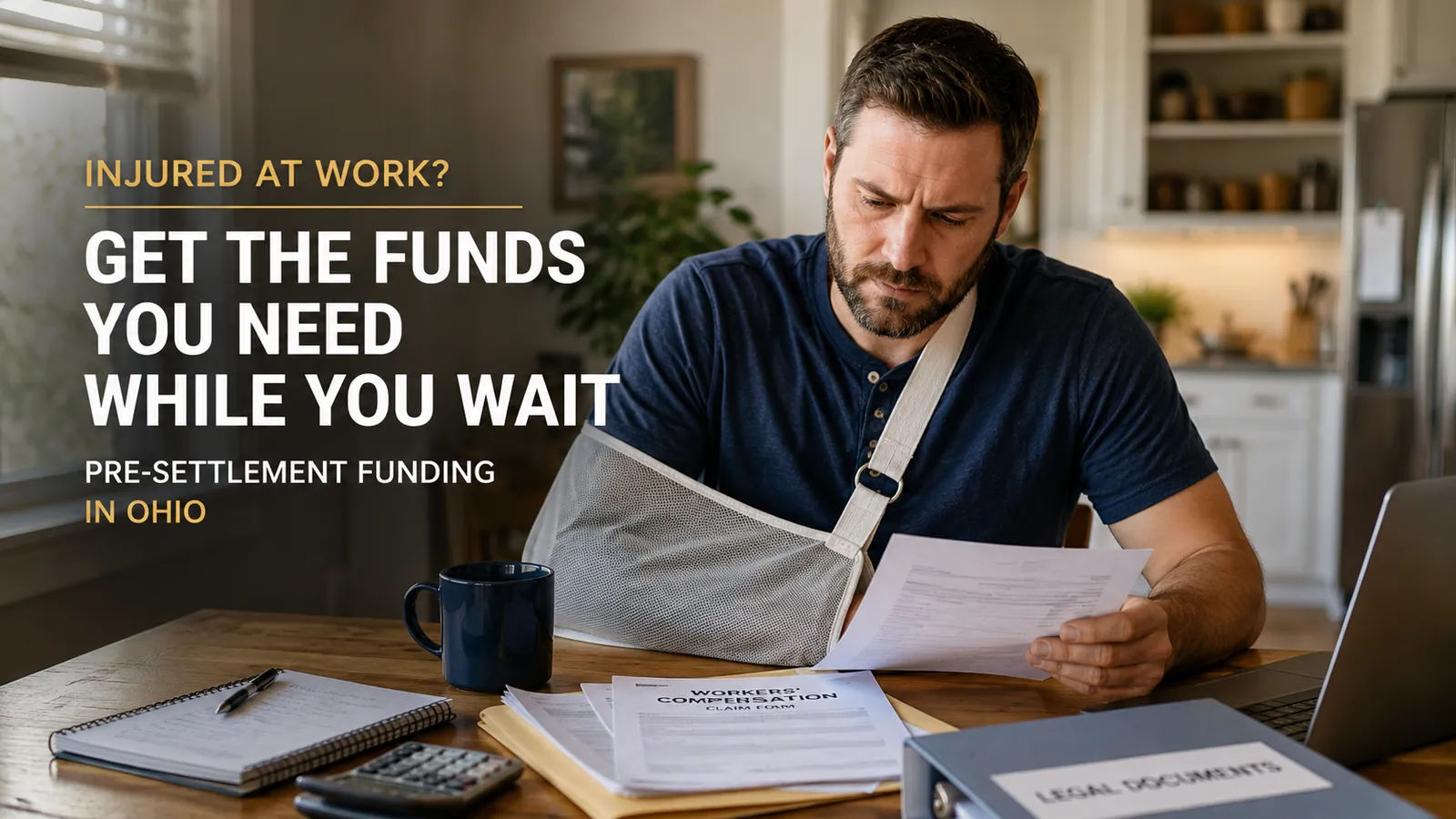
Many injury victims experience immediate income disruption after an accident. While some workers qualify for short-term disability or workers’ compensation, others do not. Independent contractors, part-time workers, gig workers, and individuals between jobs often face wage loss without access to traditional benefits.
When litigation is ongoing and income has stopped, financial pressure can escalate quickly. Pre-settlement funding can provide a temporary solution while a personal injury claim moves forward.
Understanding how funding works in wage-loss situations helps plaintiffs make informed and responsible decisions.
The Financial Gap After an Injury
Lost wages are one of the most common damages in personal injury claims. However, reimbursement for those losses typically comes at settlement — not immediately.
Plaintiffs without disability coverage may face:
Missed rent or mortgage payments
Utility and insurance lapses
Vehicle loan delinquency
Credit card accumulation
Inability to cover basic living expenses
This financial strain can intensify during lengthy litigation, particularly when insurers delay negotiations.
Pre-settlement funding is designed to bridge that gap.
Who Commonly Lacks Disability Coverage?
Certain categories of workers are more likely to experience income interruption without replacement benefits:
Self-employed individuals
Gig economy workers
Freelancers and consultants
Commission-based employees
Part-time or seasonal workers
Individuals recently starting a new job
Even traditional employees may discover that employer-sponsored disability benefits are limited or unavailable.
When income stops abruptly, waiting months or years for settlement proceeds may not be realistic.
How Pre-Settlement Funding Addresses Wage Loss
Pre-settlement funding provides an advance against a pending legal claim. Because it is non-recourse, repayment occurs only if the case resolves successfully.
Funds can be used for:
Housing expenses
Utilities
Transportation
Groceries
Medical co-pays
Insurance premiums
Unlike traditional loans, approval does not depend on credit score, employment status, or current income. The primary consideration is the strength of the legal claim.
This makes funding particularly relevant for plaintiffs who cannot document ongoing income during recovery.
How Funding Companies Evaluate Wage-Loss Cases
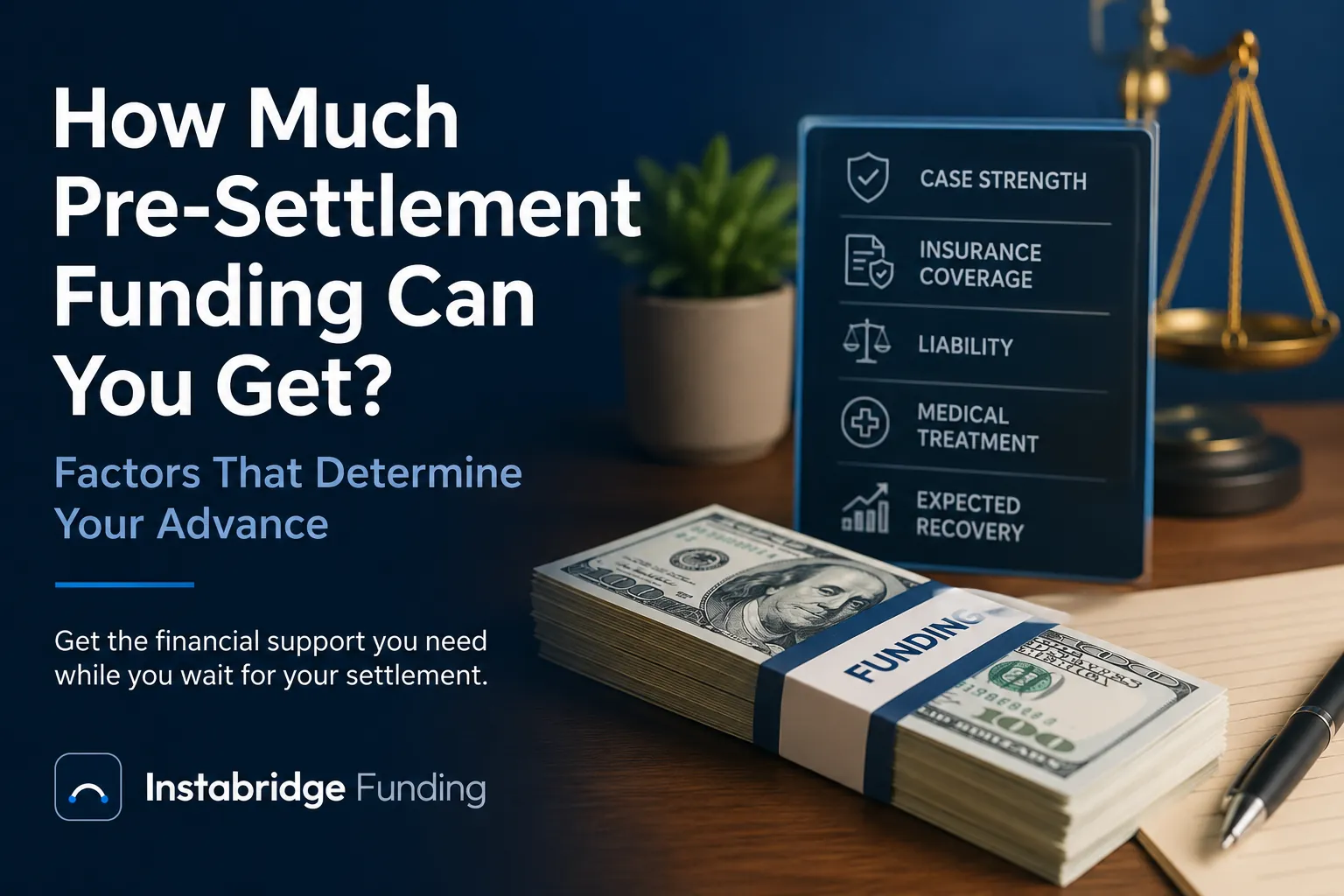
When reviewing an application involving lost wages, funding providers consider:
Liability strength
Documented injury severity
Medical treatment consistency
Insurance coverage limits
Estimated case value
Attorney’s assessment of recoverable damages
While wage loss is a component of damages, funding approval is not based solely on lost income. The overall viability of the claim remains the central factor.
Attorney coordination ensures that projections are realistic and supported by documentation.
The Importance of Accurate Wage Documentation
Even if a plaintiff does not receive disability benefits, documenting lost income strengthens both the legal claim and funding evaluation.
Helpful documentation may include:
Prior tax returns
Pay stubs or invoices
1099 forms
Client contracts
Bank statements
Employer confirmation letters
Clear income history allows attorneys to quantify damages more effectively, which supports more accurate funding assessments.
Transparency during review prevents misunderstandings later.
Avoiding Premature Settlement Due to Financial Pressure
One of the primary risks of wage interruption is pressure to accept an early settlement offer.
Insurance companies are aware that plaintiffs without income may feel urgency. Quick offers may be presented before full medical recovery is understood.
Pre-settlement funding can reduce that pressure by:
Providing temporary financial breathing room
Allowing treatment to continue uninterrupted
Giving attorneys time to negotiate appropriately
Supporting stronger case development
Responsible funding is not about encouraging delay. It is about ensuring plaintiffs are not forced into undervalued settlements due to immediate financial hardship.
Responsible Funding Limits
Because repayment comes from the eventual settlement, advances must be structured conservatively. Ethical funding providers avoid advancing amounts that could significantly reduce a plaintiff’s net recovery.
Responsible evaluation considers:
Total projected settlement value
Legal fees and case expenses
Medical liens or reimbursement obligations
Existing advances
Long-term financial impact
This approach protects plaintiffs from overextending their recovery.
What Plaintiffs Should Discuss With Their Attorney
Before applying for funding due to wage loss, plaintiffs should speak openly with counsel about:
Expected litigation timeline
Projected settlement range
Insurance policy limits
Potential comparative fault issues
Existing liens
Attorneys play a central role in coordinating funding. Providers rely on legal professionals to confirm case details and ensure repayment is handled properly at resolution.
Funding should never occur without attorney involvement.
How Wage Loss Impacts Case Value
Lost wages are often recoverable damages in personal injury claims, but calculating them can be complex. Factors may include:
Base pay or average earnings
Overtime history
Bonuses or commissions
Business profits for self-employed plaintiffs
Reduced future earning capacity
Even when disability benefits are unavailable, wage loss may still be compensable as part of the settlement.
Pre-settlement funding does not replace those damages. It simply provides temporary access to funds before resolution.
Why Plaintiffs Choose Instabridge
Instabridge understands that not every injured plaintiff has access to disability coverage or income replacement. Financial strain during litigation can be significant, especially when recovery prevents returning to work.
We provide:
Clear payoff disclosures
Flat-rate pricing without compounding fees
Non-recourse funding protection
Direct coordination with your attorney
Responsible advance limits
Our goal is to offer stability during litigation without jeopardizing long-term recovery.
Conclusion: Bridging the Income Gap During Litigation
Wage interruption can create immediate financial instability, particularly for individuals without disability benefits. Litigation timelines rarely align with household expenses, and financial pressure can complicate decision-making.
Pre-settlement funding offers a structured, non-recourse solution that allows plaintiffs to manage essential expenses while their case progresses. With attorney coordination and transparent terms, funding can support financial stability without creating unnecessary risk.
If you are facing income loss during a personal injury lawsuit and need financial support, contact Instabridge. Our team will review your case carefully, explain your options clearly, and help you determine whether funding is an appropriate step.