Show table of contents · 11 sections▾
- Why Medical Disputes Occur in Injury Cases
- How Medical Opinions Affect Case Valuation
- The Role of Treating Physicians
- Independent Medical Examinations (IMEs)
- Can You Still Qualify for Funding?
- How Conflicting Medical Opinions Can Affect Timeline
- Responsible Risk Evaluation
- The Importance of Attorney Guidance
- Transparency in Funding Agreements
- Why Plaintiffs Choose Instabridge
- Conclusion: Navigating Medical Disputes During Litigation
Medical evidence is one of the most important components of a personal injury claim. Physicians, specialists, and medical experts help establish the nature of an injury, the necessary treatment, and the long-term impact on a plaintiff’s life.
However, it is not uncommon for cases to involve conflicting medical opinions. Defense experts may disagree with treating physicians about injury severity, treatment necessity, or long-term impairment. When these disagreements arise, they can influence settlement negotiations and case timelines.
For plaintiffs considering pre-settlement funding, understanding how conflicting medical opinions affect funding evaluations is important.
Why Medical Disputes Occur in Injury Cases
Insurance companies often retain independent medical examiners or consulting physicians to review a plaintiff’s medical records. These experts may challenge aspects of the treating physician’s conclusions.
Common disputes include:
Whether the injury was caused by the accident
Whether treatment was medically necessary
Whether symptoms are related to pre-existing conditions
Whether long-term impairment exists
Whether future treatment is required
These disagreements are a routine part of personal injury litigation and do not automatically weaken a claim.
How Medical Opinions Affect Case Valuation
Settlement negotiations often rely on medical documentation to estimate damages. When experts disagree, insurers may attempt to reduce settlement offers by arguing that certain treatments or diagnoses are unsupported.
Conflicting medical opinions can influence:
Estimated medical damages
Future care projections
Disability assessments
Pain and suffering valuations
Attorneys often address these disputes through additional medical evaluations, specialist testimony, or expert reports.
Funding providers consider how these issues may affect projected settlement value.
The Role of Treating Physicians
Treating physicians typically carry significant weight in personal injury cases because they have direct knowledge of the plaintiff’s medical history and treatment progression.
Their records often include:
Diagnostic test results
Treatment plans
Specialist referrals
Surgical recommendations
Long-term recovery projections
When treating physician documentation is consistent and well-supported, it can strengthen a plaintiff’s case even when defense experts offer differing opinions.
Funding providers review these records as part of the case evaluation process.
Independent Medical Examinations (IMEs)
Defendants frequently request an Independent Medical Examination (IME) during litigation. Despite the name, these exams are usually conducted by physicians selected by the defense.
The purpose of an IME may include:
Evaluating injury severity
Assessing physical limitations
Reviewing treatment necessity
Determining maximum medical improvement
IME reports sometimes challenge the conclusions of treating doctors, which can introduce additional complexity into the case.
Funding providers rely on attorney interpretation of these reports rather than drawing independent medical conclusions.
Can You Still Qualify for Funding?
Yes. Many cases involving medical disputes still qualify for pre-settlement funding.
Approval generally depends on:
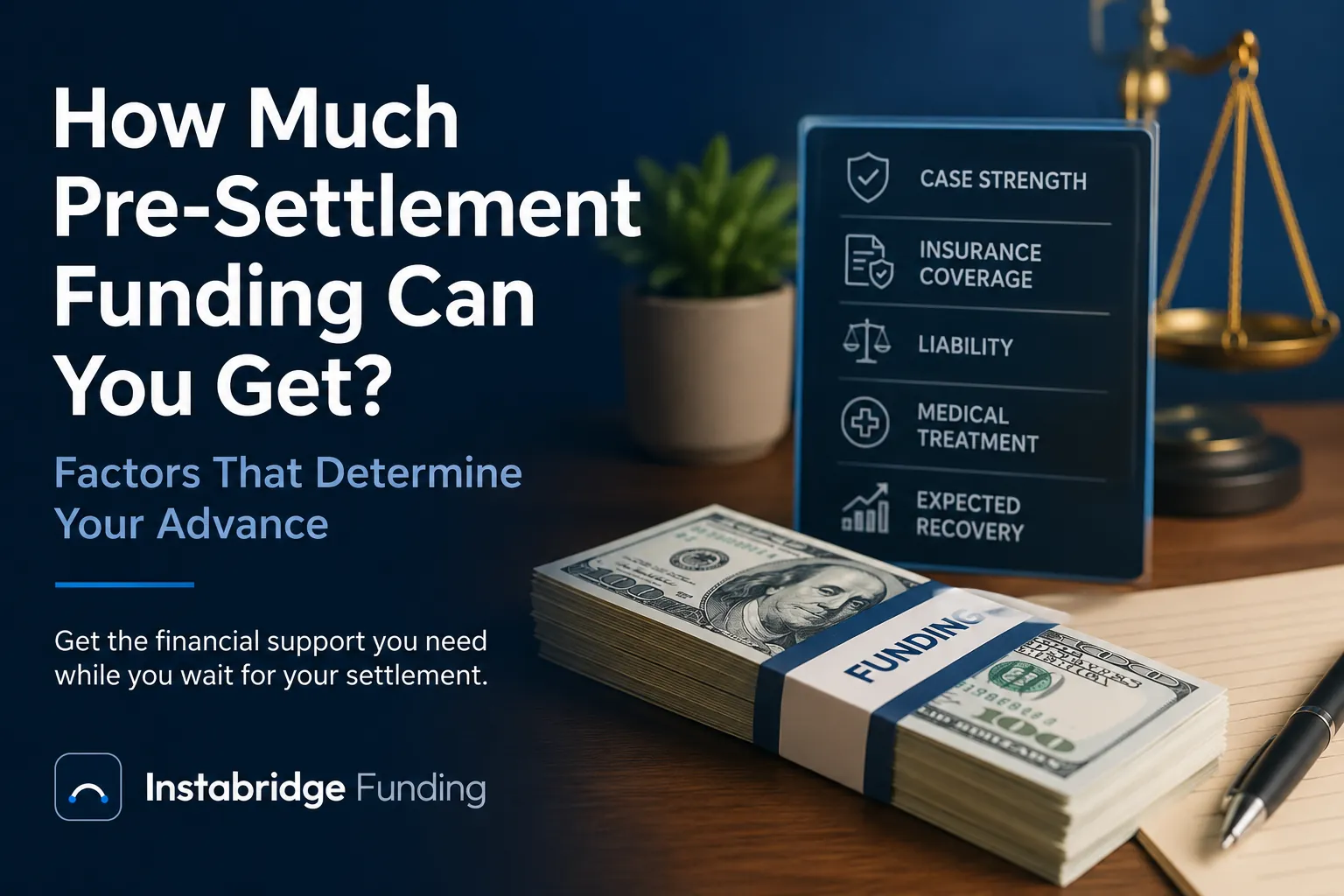
Overall liability strength
Insurance coverage availability
Consistency of treatment records
Attorney’s evaluation of medical evidence
Potential impact of conflicting opinions
Responsible funding providers evaluate the full context of the case rather than focusing on a single disputed opinion.
How Conflicting Medical Opinions Can Affect Timeline
Medical disputes may extend litigation because additional evidence may be required to clarify injury severity.
This can involve:
Depositions of medical experts
Additional diagnostic testing
Supplemental medical reports
Expert witness preparation
While these steps strengthen the legal record, they may lengthen the time required to reach settlement.
Pre-settlement funding may help plaintiffs manage financial obligations during this extended process.
Responsible Risk Evaluation
When conflicting medical opinions exist, funding providers assess risk carefully. Advance amounts may be structured conservatively to reflect potential uncertainty in settlement negotiations.
Evaluation may consider:
Strength of treating physician documentation
Number of supporting specialists
Severity of injuries
Insurance policy limits
Litigation stage
This measured approach helps protect the plaintiff’s eventual recovery.
Responsible funding is designed to provide support without creating financial imbalance at settlement.
The Importance of Attorney Guidance
Medical disputes require careful legal management. Attorneys coordinate expert testimony, review medical evidence, and present the strongest possible case during negotiations or trial.
When evaluating funding, providers rely on attorneys to explain:
The significance of conflicting opinions
Whether additional medical evidence is forthcoming
How disputes may affect case value
The likely timeline for resolution
This collaboration ensures funding decisions reflect legal strategy rather than speculation.
Transparency in Funding Agreements
Plaintiffs considering funding should fully understand the terms of the agreement before accepting an advance.
Responsible providers disclose:
Advance amount
Total repayment amount
Pricing structure
Non-recourse protections
Flat-rate pricing structures help eliminate uncertainty about repayment obligations while litigation continues.
Clear disclosure supports informed financial decision-making.
Why Plaintiffs Choose Instabridge
Instabridge understands that medical disputes are a normal part of personal injury litigation. Our team evaluates each case carefully, working directly with attorneys to assess the strength of available medical evidence.
We provide:
Clear payoff disclosures
Flat-rate pricing without compounding
Non-recourse funding protection
Responsible advance limits
Transparent communication throughout the review process
Our goal is to provide financial support without interfering with the legal strategy of the case.
Conclusion: Navigating Medical Disputes During Litigation
Conflicting medical opinions can complicate personal injury cases, but they are often addressed through expert testimony, additional documentation, and legal advocacy. These disputes do not automatically eliminate the potential for recovery.
Pre-settlement funding may provide financial stability while medical issues are clarified and litigation proceeds. Responsible evaluation, attorney coordination, and transparent terms are essential to protecting long-term recovery.
If your case involves disputed medical opinions and you need financial support while litigation continues, contact Instabridge. Our team will review your case carefully, coordinate with your attorney, and help you determine whether pre-settlement funding is appropriate for your situation.