Show table of contents · 10 sections▾
- Why Settlement Often Waits for Medical Stability
- What Counts as Ongoing Medical Treatment
- How Ongoing Treatment Affects Case Value
- Financial Challenges During Extended Treatment
- How Pre-Settlement Funding Works During Ongoing Treatment
- Why Conservative Advances Are Important
- The Role of Medical Documentation
- Attorney Coordination in Treatment-Phase Cases
- Why Plaintiffs Choose Instabridge
- Conclusion: Financial Stability During the Recovery Process
Many personal injury cases are unresolved while medical treatment is still in progress. Plaintiffs may continue physical therapy, attend specialist appointments, undergo diagnostic testing, or wait to see whether surgery will be necessary.
When treatment is ongoing, settlement negotiations often remain paused until the full extent of the injury is clearer. For plaintiffs experiencing financial strain during this period, pre-settlement funding may provide temporary support while recovery continues.
Understanding how ongoing treatment affects both litigation and funding evaluations can help plaintiffs make informed decisions.
Why Settlement Often Waits for Medical Stability
Insurance companies and attorneys usually prefer to evaluate claims after a plaintiff reaches what is known as maximum medical improvement (MMI). This is the point at which doctors believe the injury has stabilized and future treatment needs can be predicted.
Waiting for medical stability helps determine:
Total medical expenses
Long-term care requirements
Permanent impairments
Future earning capacity
Overall case value
Settling too early may prevent plaintiffs from recovering compensation for future medical needs.
Because of this, many cases remain open while treatment continues.
What Counts as Ongoing Medical Treatment
Ongoing treatment may involve several types of care depending on the injury. Examples include:
Physical therapy or rehabilitation programs
Pain management treatment
Orthopedic or neurological specialist visits
Follow-up imaging such as MRI or CT scans
Surgical consultations
Post-surgical recovery care
These treatments help document the progression of injuries and establish the long-term medical picture.
Medical records created during this period often play a central role in settlement negotiations.
How Ongoing Treatment Affects Case Value
Medical treatment is one of the most important components in evaluating a personal injury claim. As treatment progresses, new information may emerge about the severity of the injury.
For example, additional treatment may reveal:
Permanent limitations
The need for surgery
Chronic pain conditions
Long-term rehabilitation needs
In some cases, ongoing treatment increases the estimated value of the claim because it demonstrates the full extent of the injury.
Attorneys often wait until medical records provide a clear picture before entering serious settlement discussions.
Financial Challenges During Extended Treatment
While treatment continues, plaintiffs may face ongoing financial obligations. These may include:
Housing costs
Utility bills
Transportation expenses
Medical co-pays
Everyday living expenses
If the injury prevents the plaintiff from working, these financial pressures can become significant.
Pre-settlement funding may help provide stability while medical care continues and the case develops.
How Pre-Settlement Funding Works During Ongoing Treatment
Pre-settlement funding provides an advance against a pending legal claim. Because funding is non-recourse, repayment occurs only if the case results in recovery.
Approval is not based on credit score or current employment status. Instead, funding providers evaluate the strength of the legal claim.
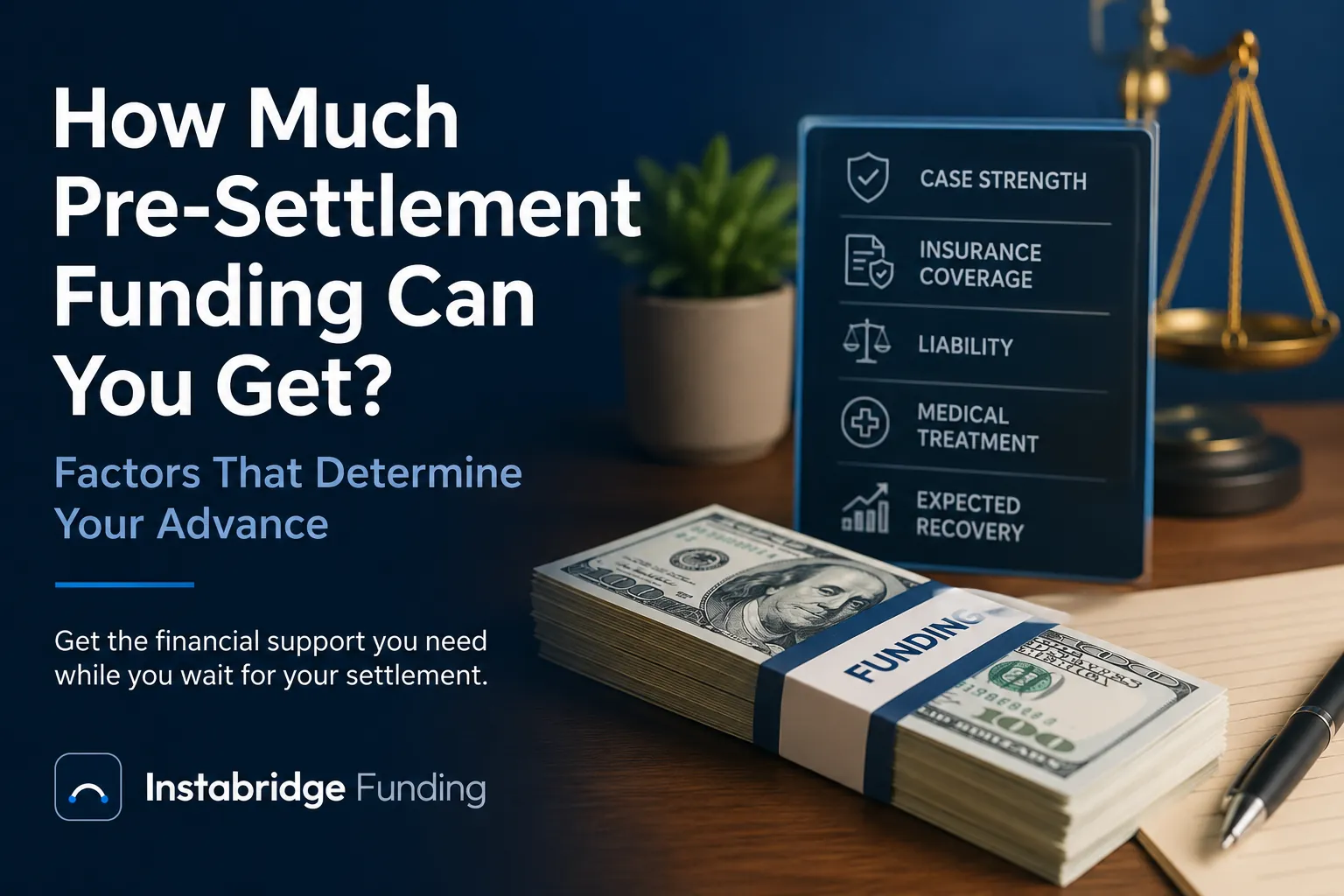
When treatment is ongoing, providers typically consider:
Liability evidence
Medical documentation to date
Insurance coverage availability
Attorney’s estimated case value
Expected treatment progression
Attorney input is essential when evaluating these factors.
Why Conservative Advances Are Important
When medical treatment is still underway, the final settlement value may not yet be fully known. Responsible funding providers structure advances conservatively to account for this uncertainty.
Evaluation may consider:
Current documented medical expenses
Anticipated future treatment
Insurance policy limits
Legal fees and case costs
Existing liens
This approach helps ensure that funding does not compromise the plaintiff’s final recovery once the case resolves.
The Role of Medical Documentation
Medical records created during ongoing treatment help establish the credibility and severity of the injury. These records may include:
Physician notes
Diagnostic imaging results
Treatment plans
Therapy progress reports
Specialist referrals
Consistent medical documentation strengthens the legal claim and helps funding providers evaluate the case more accurately.
Providers rely on attorneys to supply and interpret these records.
Attorney Coordination in Treatment-Phase Cases
Attorney involvement is especially important when treatment is ongoing. Counsel can explain:
Whether additional treatment is expected
Whether surgery is being considered
When maximum medical improvement may occur
The estimated timeline for settlement negotiations
Funding providers rely on this professional assessment rather than making independent medical judgments.
Coordination ensures that funding decisions align with the legal strategy of the case.
Why Plaintiffs Choose Instabridge
Instabridge understands that many injury cases remain unresolved while medical treatment continues. Our team evaluates each case carefully, focusing on documented injuries and realistic settlement expectations.
We provide:
Clear written payoff disclosures
Flat-rate pricing without compounding fees
Non-recourse funding protection
Responsible advance limits
Transparent communication throughout the review process
Our goal is to support plaintiffs financially while they focus on recovery.
Conclusion: Financial Stability During the Recovery Process
Personal injury cases often remain unresolved while medical treatment continues. Waiting for a complete medical picture helps ensure that settlements reflect the true impact of an injury.
Pre-settlement funding can provide financial support during this period, allowing plaintiffs to focus on treatment and recovery without immediate financial pressure.
If you are still undergoing medical treatment and need financial assistance while your case progresses, contact Instabridge. Our team will review your case carefully, coordinate with your attorney, and help you determine whether pre-settlement funding is an appropriate option.