Show table of contents · 11 sections▾
- Civil and Criminal Cases Are Separate
- How Criminal Proceedings Affect Civil Timelines
- The Impact of Criminal Convictions on Civil Claims
- What If the Criminal Case Is Still Pending?
- Insurance Coverage Still Matters
- How Criminal Proceedings Can Delay Settlement
- Restitution vs. Civil Recovery
- Responsible Funding in Dual-Proceeding Cases
- The Importance of Attorney Coordination
- Why Plaintiffs Choose Instabridge
- Conclusion: Managing Financial Pressure During Parallel Proceedings
Some personal injury cases arise from incidents that also result in criminal charges. Drunk driving accidents, assaults, reckless conduct, and certain workplace incidents may lead to both civil litigation and criminal prosecution.
When a related criminal case is pending, plaintiffs often have questions about how it affects their civil claim — and whether pre-settlement funding is still available.
Understanding how these parallel proceedings interact can help plaintiffs make informed financial decisions.
Civil and Criminal Cases Are Separate
Criminal cases are brought by the state to determine whether a defendant violated criminal law. Civil cases are filed by injured individuals seeking financial compensation.
These proceedings operate independently. A criminal conviction is not required for a civil claim to succeed, and a criminal acquittal does not automatically eliminate civil liability.
However, developments in one case can influence the other.
How Criminal Proceedings Affect Civil Timelines
When criminal charges are pending, civil litigation may slow down for several reasons:
Defense counsel may request a stay of civil discovery
Key evidence may be tied up in criminal investigation
Depositions may be postponed
Settlement discussions may pause pending criminal resolution
Courts sometimes delay civil proceedings to protect constitutional rights in the criminal case.
This can extend the timeline for settlement.
The Impact of Criminal Convictions on Civil Claims
A criminal conviction, particularly for offenses like DUI or assault, may strengthen a civil claim by establishing liability or supporting negligence arguments.
Convictions can:
Increase settlement leverage
Clarify fault
Reduce liability disputes
Support punitive damages claims in some jurisdictions
Funding providers consider these factors when evaluating case strength.
However, funding decisions are not based solely on the existence of criminal charges.
What If the Criminal Case Is Still Pending?
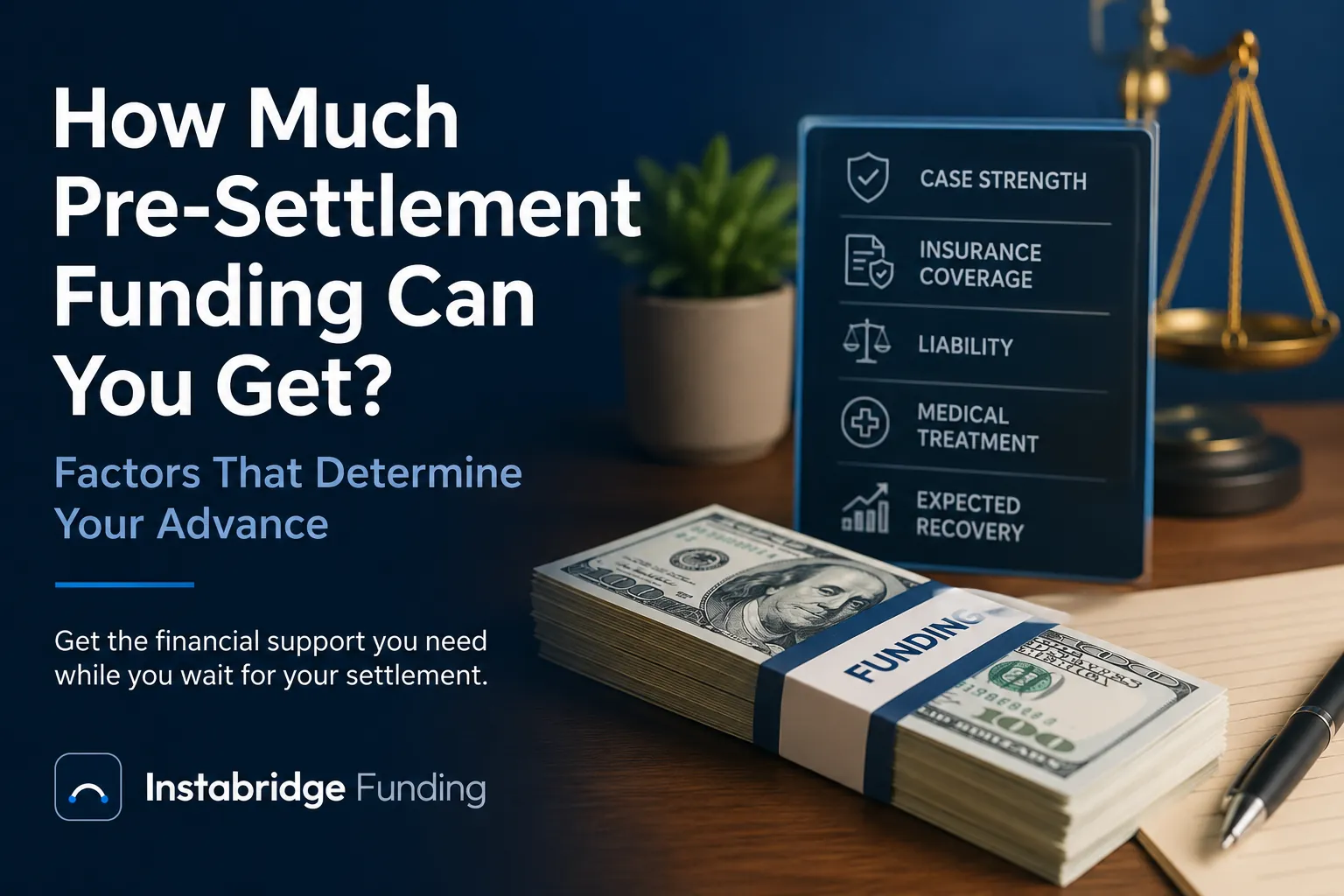
When criminal proceedings are ongoing, uncertainty remains. Funding providers evaluate:
Strength of available civil evidence
Insurance coverage availability
Severity of injuries
Likelihood of civil recovery regardless of criminal outcome
Attorney’s assessment of case posture
If liability appears strong independent of criminal adjudication, funding may still be available.
Conservative advance structuring is common in cases where timing is uncertain.
Insurance Coverage Still Matters
Even in cases involving criminal conduct, insurance coverage often determines the practical source of recovery.
For example:
Auto liability policies may respond to DUI accidents
Homeowners policies may respond to certain premises incidents
Commercial policies may apply in workplace situations
Some policies exclude intentional acts, which can complicate recovery in assault cases. Attorneys evaluate whether coverage applies.
Funding providers rely on counsel to confirm viable recovery sources.
How Criminal Proceedings Can Delay Settlement
Insurance carriers may wait for the outcome of a criminal case before engaging in meaningful settlement discussions.
Reasons may include:
Awaiting conviction to clarify liability
Monitoring restitution orders
Assessing potential punitive exposure
Evaluating public record evidence
These delays can increase financial strain on plaintiffs.
Pre-settlement funding may provide temporary stability while the criminal process unfolds.
Restitution vs. Civil Recovery
In criminal cases, courts sometimes order restitution to victims. However, restitution is not a substitute for civil damages.
Restitution may:
Cover limited out-of-pocket expenses
Be capped at lower amounts
Be paid in installments
Be dependent on defendant’s ability to pay
Civil claims often pursue broader categories of damages, including pain and suffering, future medical costs, and lost earning capacity.
Funding evaluations focus on expected civil recovery rather than restitution orders alone.
Responsible Funding in Dual-Proceeding Cases
When criminal and civil cases proceed simultaneously, responsible funding providers assess:
Realistic settlement timelines
Insurance policy applicability
Comparative fault considerations
Potential exclusion clauses
Attorney strategy
Advances are structured conservatively to account for procedural uncertainty.
Non-recourse protection remains in place, meaning repayment occurs only if the civil case results in recovery.
The Importance of Attorney Coordination
Attorney involvement is especially important when criminal proceedings are pending.
Your attorney can clarify:
Whether civil discovery is stayed
Expected timeline impact
Insurance carrier position
Strength of independent civil evidence
Likely settlement strategy
Funding providers rely on this legal guidance rather than criminal case speculation.
This coordination ensures decisions are grounded in case realities.
Why Plaintiffs Choose Instabridge
Instabridge understands the added complexity of cases involving criminal proceedings. We evaluate applications carefully, working directly with attorneys to assess civil recovery potential.
We provide:
Clear payoff disclosures
Flat-rate pricing without compounding
Non-recourse funding protection
Responsible advance limits
Transparent communication throughout review
Our focus is on providing financial stability without interfering with legal strategy.
Conclusion: Managing Financial Pressure During Parallel Proceedings
When criminal charges arise from the same incident as your injury, the legal landscape becomes more complex. While criminal proceedings may strengthen liability in some cases, they can also delay civil resolution.
Pre-settlement funding can provide temporary financial relief during this period, provided advances are structured responsibly and aligned with realistic recovery expectations.
If your personal injury case involves ongoing criminal proceedings and you need financial support during litigation, contact Instabridge. We will review your case carefully, coordinate with your attorney, and help you determine whether funding is appropriate for your situation.