Show table of contents · 10 sections▾
- Why Witness Testimony Matters
- Common Reasons for Inconsistent Testimony
- How Inconsistencies Affect Liability Evaluation
- The Role of Physical and Documentary Evidence
- Can Plaintiffs Still Qualify for Funding?
- How Witness Disputes Can Affect Timeline
- Responsible Funding Evaluation
- The Importance of Attorney Coordination
- Why Plaintiffs Choose Instabridge
- Conclusion: Looking Beyond Conflicting Accounts
Witness testimony often plays a key role in personal injury cases, particularly when liability is disputed. Statements from individuals who observed the accident can help establish how the incident occurred and who may be responsible.
However, not all witness accounts align. In some cases, testimony may be inconsistent, incomplete, or contradictory. For plaintiffs considering pre-settlement funding, it is important to understand how conflicting witness statements affect case evaluation.
While inconsistencies can introduce complexity, they do not automatically prevent recovery or funding approval.
Why Witness Testimony Matters
Witnesses provide independent accounts of an accident, which can support or challenge the versions presented by the parties involved.
Testimony may address:
How the accident occurred
The actions of each party before the incident
Environmental conditions at the time
Observations immediately after the event
When witness accounts are consistent and credible, they can strengthen a plaintiff’s claim.
When they conflict, additional analysis may be required.
Common Reasons for Inconsistent Testimony
Differences in witness statements are not unusual. Several factors can contribute to inconsistencies, including:
Limited vantage points at the time of the incident
Differences in perception or attention
Passage of time affecting memory
Misinterpretation of events
Communication barriers
Two individuals may observe the same event from different perspectives and recall it differently.
These variations do not necessarily indicate that a claim lacks merit.
How Inconsistencies Affect Liability Evaluation
When witness testimony conflicts, insurance companies and attorneys may scrutinize liability more closely.
This can lead to:
Additional investigation of the accident
Requests for further documentation
Use of expert analysis, such as accident reconstruction
Greater reliance on physical evidence
Liability may still be established through other forms of evidence, even when witness accounts differ.
Funding providers consider the totality of evidence rather than relying solely on witness statements.
The Role of Physical and Documentary Evidence
In cases with inconsistent testimony, other forms of evidence often become more important.
These may include:
Police or incident reports
Photographs or video footage
Surveillance recordings
Vehicle damage analysis
Medical records documenting injuries
Objective evidence can help clarify disputed facts and support a consistent narrative.
Attorneys use this information to strengthen the case despite conflicting witness accounts.
Can Plaintiffs Still Qualify for Funding?
Yes. Many cases involving inconsistent witness testimony still qualify for pre-settlement funding.
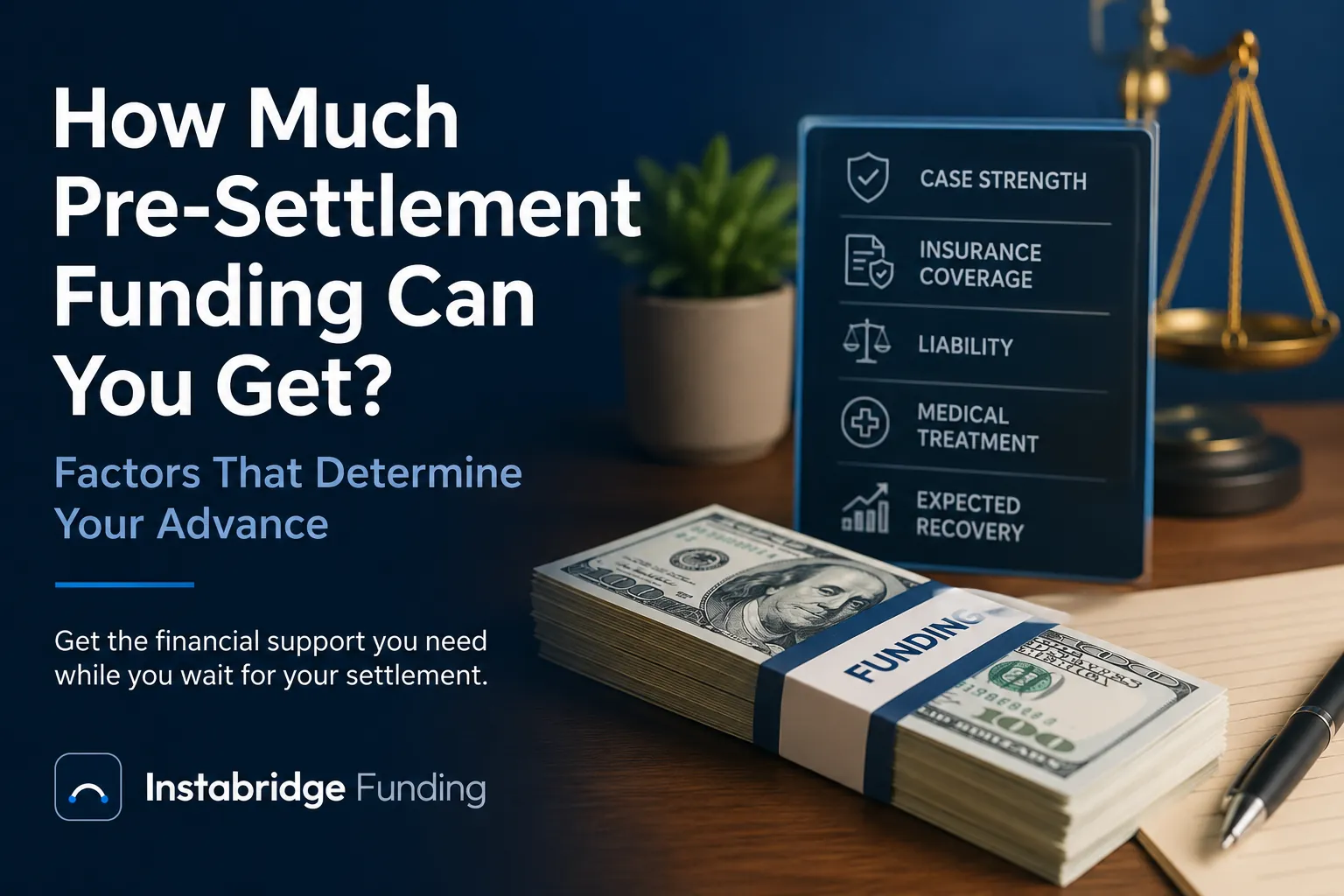
Approval depends on the overall strength of the claim, including:
Liability evidence beyond witness statements
Medical documentation of injury
Insurance coverage availability
Attorney’s evaluation of the case
Stage of litigation
Funding providers do not rely on witness testimony alone when evaluating applications.
Attorney input is especially important in these situations.
How Witness Disputes Can Affect Timeline
Conflicting testimony may extend the litigation process. Additional steps may include:
Depositions of witnesses
Cross-examination of testimony
Expert analysis
Further discovery
These processes help clarify facts but may delay settlement negotiations.
During this period, plaintiffs may face ongoing financial pressure.
Pre-settlement funding can provide stability while these issues are resolved.
Responsible Funding Evaluation
When witness testimony is inconsistent, funding providers assess risk carefully. Advances are typically structured conservatively to reflect potential uncertainty in liability.
Evaluation may consider:
Strength of supporting evidence
Credibility of witness accounts
Insurance policy limits
Legal fees and case costs
Attorney’s assessment of likely outcomes
Conservative structuring helps preserve the plaintiff’s net recovery at settlement.
Non-recourse protection ensures repayment occurs only if recovery is obtained.
The Importance of Attorney Coordination
Attorney coordination is essential in cases involving conflicting witness testimony. Legal counsel can explain:
Which accounts are most credible
Whether additional evidence supports liability
How inconsistencies will be addressed
The likely impact on settlement negotiations
Funding providers rely on this professional analysis rather than independently interpreting witness statements.
This ensures funding decisions align with the legal strategy of the case.
Why Plaintiffs Choose Instabridge
Instabridge understands that witness testimony is not always consistent. Our team evaluates each case based on the full body of evidence, working directly with attorneys to assess realistic recovery potential.
We provide:
Clear written payoff disclosures
Flat-rate pricing without compounding fees
Non-recourse funding protection
Responsible advance limits
Transparent communication throughout the review process
Our goal is to provide financial support while your case progresses.
Conclusion: Looking Beyond Conflicting Accounts
Inconsistent witness testimony is a common challenge in personal injury litigation, but it does not determine the outcome of a case on its own. Attorneys rely on a combination of evidence, expert analysis, and legal strategy to establish liability.
Pre-settlement funding may still be available when the overall case remains strong and supported by credible evidence.
If your case involves conflicting witness accounts and you need financial support while litigation continues, contact Instabridge. Our team will review your case carefully, coordinate with your attorney, and help you determine whether pre-settlement funding is an appropriate option.