
GUIDE

Pre-Settlement Funding in Cases Involving Disputed Property Ownership

Pre-Settlement Funding in Cases Involving Disputed Property Ownership

Property-related personal injury cases can involve questions that extend beyond the injury itself. When ownership of the premises where an accident occurred is disputed, liability may be more difficult to establish quickly. For plaintiffs seeking pre-settlement funding in these situations, it is important to understand how disputed ownership affects case evaluation and funding eligibility. Disputed ownership does not automatically prevent recovery or funding approval.

Why Property Ownership Matters in Injury Claims

In premises liability cases, the responsible party is typically the owner or entity in control of the property at the time of the accident. Establishing ownership may require review of:

  • Deed records and title history

  • Lease agreements between landlords and tenants

  • Property management contracts

  • Corporate or LLC ownership structures

  • Recorded easements or shared-use agreements

When ownership is unclear or contested, determining who bears legal responsibility requires additional investigation.

Common Scenarios Involving Disputed Ownership

Ownership disputes arise in a variety of circumstances. Examples include:

  • Multi-unit residential properties with overlapping landlord and management responsibilities

  • Commercial properties recently transferred through sale or foreclosure

  • Properties held by trusts or estates

  • Shared-use properties involving easements or right-of-way disputes

  • Properties under construction with multiple contractors and owners involved

Each situation presents unique challenges for establishing the proper defendant.

How Disputed Ownership Affects Liability Analysis

When ownership is contested, attorneys must conduct a more thorough investigation before establishing liability. This may include:

  • Title searches and chain of ownership analysis

  • Review of insurance policies for the property

  • Depositions of property managers and prior owners

  • Review of corporate records and LLC filings

This process can extend the timeline of litigation. Funding providers consider the complexity of ownership disputes when evaluating cases.

The Role of Documentation in These Cases

Documentation of both the injury and the property's ownership history is essential. Key evidence may include:

  • Incident and police reports identifying the location

  • Property records from the county recorder's office

  • Photographs of the condition that caused the injury

  • Witness statements about the property's management

  • Prior complaints or notices related to the hazardous condition

Attorneys gather this documentation to support both liability and the identity of the responsible party.

Can Plaintiffs Still Qualify for Funding?

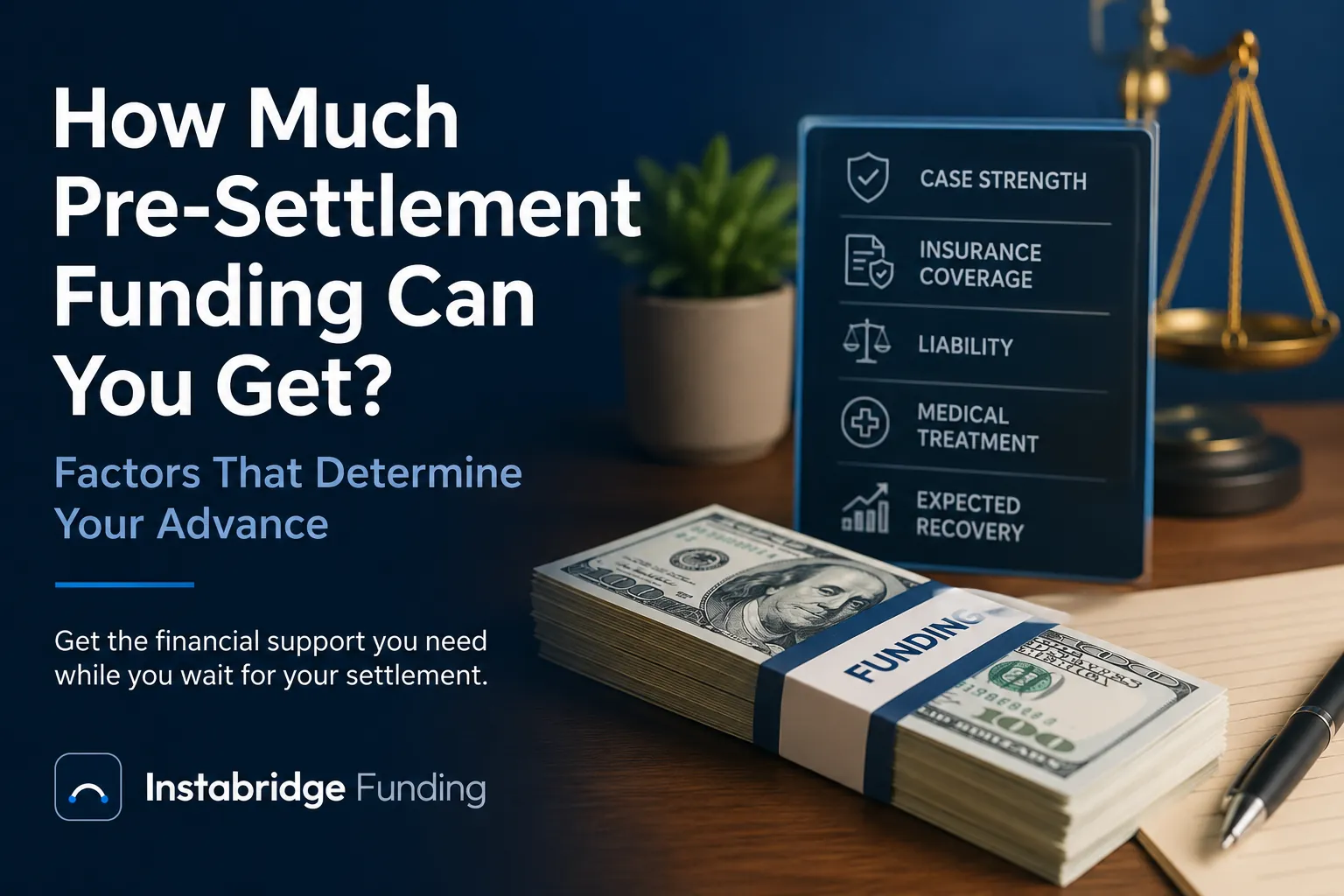
Yes. Cases involving disputed property ownership may still qualify for pre-settlement funding. Approval depends on:

  • The overall strength of the premises liability claim

  • Medical documentation of the injury

  • The attorney's ability to identify at least one viable defendant

  • Insurance coverage associated with the property

  • Stage of litigation

Funding providers do not require ownership disputes to be fully resolved before considering an application. Attorney guidance on the likely outcome is a key factor in evaluation.

How Ownership Disputes Can Affect Timeline

Resolving ownership questions takes time. Additional steps may include:

  • Filing motions to add or substitute defendants

  • Third-party discovery directed at prior owners or managers

  • Coordination among multiple insurers

These steps may delay settlement negotiations but are necessary to protect the plaintiff's interests. Pre-settlement funding can provide financial stability during this extended process.

Responsible Funding Evaluation

When ownership is disputed, funding providers assess the risk associated with the uncertainty. Evaluation may consider:

  • Strength of the underlying injury claim

  • Number of potential defendants

  • Available insurance coverage across parties

  • Attorney's assessment of liability

  • Likelihood of recovery once ownership is resolved

Advances are typically structured conservatively in complex ownership situations. Non-recourse protection means repayment is required only if recovery is obtained.

The Importance of Attorney Coordination

Attorney input is especially important when property ownership is in dispute. Legal counsel can explain:

  • Which parties are most likely responsible

  • Whether multiple defendants may share liability

  • How quickly ownership questions can be resolved

  • The likely effect on settlement negotiations

Funding providers rely on attorney analysis rather than independently interpreting property records.

Why Plaintiffs Choose Instabridge

Instabridge understands that premises liability cases are not always straightforward. When ownership disputes complicate a case, our team works directly with attorneys to assess realistic recovery potential. We provide:

  • Clear written payoff disclosures

  • Flat-rate pricing without compounding fees

  • Non-recourse funding protection

  • Responsible advance limits

  • Transparent communication throughout the review process

Our goal is to provide financial support while your case progresses toward resolution.

Conclusion: Funding Support When Ownership Is Unclear

Disputed property ownership is a recognized challenge in premises liability litigation. It does not necessarily prevent a plaintiff from recovering damages or qualifying for pre-settlement funding. When attorneys are actively working to identify the responsible party and the injury claim is otherwise strong, funding may still be available. If your case involves a dispute over who owns or controls the property where you were injured, contact Instabridge. Our team will review your case carefully, coordinate with your attorney, and help you determine whether pre-settlement funding is an appropriate option.
Property-related personal injury cases can involve questions that extend beyond the injury itself. When ownership of the premises where an accident occurred is disputed, liability may be more difficult to establish quickly. For plaintiffs seeking pre-settlement funding in these situations, it is important to understand how disputed ownership affects case evaluation and funding eligibility. Disputed ownership does not automatically prevent recovery or funding approval.

Why Property Ownership Matters in Injury Claims

In premises liability cases, the responsible party is typically the owner or entity in control of the property at the time of the accident. Establishing ownership may require review of:

  • Deed records and title history

  • Lease agreements between landlords and tenants

  • Property management contracts

  • Corporate or LLC ownership structures

  • Recorded easements or shared-use agreements

When ownership is unclear or contested, determining who bears legal responsibility requires additional investigation.

Common Scenarios Involving Disputed Ownership

Ownership disputes arise in a variety of circumstances. Examples include:

  • Multi-unit residential properties with overlapping landlord and management responsibilities

  • Commercial properties recently transferred through sale or foreclosure

  • Properties held by trusts or estates

  • Shared-use properties involving easements or right-of-way disputes

  • Properties under construction with multiple contractors and owners involved

Each situation presents unique challenges for establishing the proper defendant.

How Disputed Ownership Affects Liability Analysis

When ownership is contested, attorneys must conduct a more thorough investigation before establishing liability. This may include:

  • Title searches and chain of ownership analysis

  • Review of insurance policies for the property

  • Depositions of property managers and prior owners

  • Review of corporate records and LLC filings

This process can extend the timeline of litigation. Funding providers consider the complexity of ownership disputes when evaluating cases.

The Role of Documentation in These Cases

Documentation of both the injury and the property's ownership history is essential. Key evidence may include:

  • Incident and police reports identifying the location

  • Property records from the county recorder's office

  • Photographs of the condition that caused the injury

  • Witness statements about the property's management

  • Prior complaints or notices related to the hazardous condition

Attorneys gather this documentation to support both liability and the identity of the responsible party.

Can Plaintiffs Still Qualify for Funding?

Yes. Cases involving disputed property ownership may still qualify for pre-settlement funding. Approval depends on:

  • The overall strength of the premises liability claim

  • Medical documentation of the injury

  • The attorney's ability to identify at least one viable defendant

  • Insurance coverage associated with the property

  • Stage of litigation

Funding providers do not require ownership disputes to be fully resolved before considering an application. Attorney guidance on the likely outcome is a key factor in evaluation.

How Ownership Disputes Can Affect Timeline

Resolving ownership questions takes time. Additional steps may include:

  • Filing motions to add or substitute defendants

  • Third-party discovery directed at prior owners or managers

  • Coordination among multiple insurers

These steps may delay settlement negotiations but are necessary to protect the plaintiff's interests. Pre-settlement funding can provide financial stability during this extended process.

Responsible Funding Evaluation

When ownership is disputed, funding providers assess the risk associated with the uncertainty. Evaluation may consider:

  • Strength of the underlying injury claim

  • Number of potential defendants

  • Available insurance coverage across parties

  • Attorney's assessment of liability

  • Likelihood of recovery once ownership is resolved

Advances are typically structured conservatively in complex ownership situations. Non-recourse protection means repayment is required only if recovery is obtained.

The Importance of Attorney Coordination

Attorney input is especially important when property ownership is in dispute. Legal counsel can explain:

  • Which parties are most likely responsible

  • Whether multiple defendants may share liability

  • How quickly ownership questions can be resolved

  • The likely effect on settlement negotiations

Funding providers rely on attorney analysis rather than independently interpreting property records.

Why Plaintiffs Choose Instabridge

Instabridge understands that premises liability cases are not always straightforward. When ownership disputes complicate a case, our team works directly with attorneys to assess realistic recovery potential. We provide:

  • Clear written payoff disclosures

  • Flat-rate pricing without compounding fees

  • Non-recourse funding protection

  • Responsible advance limits

  • Transparent communication throughout the review process

Our goal is to provide financial support while your case progresses toward resolution.

Conclusion: Funding Support When Ownership Is Unclear

Disputed property ownership is a recognized challenge in premises liability litigation. It does not necessarily prevent a plaintiff from recovering damages or qualifying for pre-settlement funding. When attorneys are actively working to identify the responsible party and the injury claim is otherwise strong, funding may still be available. If your case involves a dispute over who owns or controls the property where you were injured, contact Instabridge. Our team will review your case carefully, coordinate with your attorney, and help you determine whether pre-settlement funding is an appropriate option.

Property-related personal injury cases can involve questions that extend beyond the injury itself. When ownership of the premises where an accident occurred is disputed, liability may be more difficult to establish quickly. For plaintiffs seeking pre-settlement funding in these situations, it is important to understand how disputed ownership affects case evaluation and funding eligibility. Disputed ownership does not automatically prevent recovery or funding approval.

Why Property Ownership Matters in Injury Claims

In premises liability cases, the responsible party is typically the owner or entity in control of the property at the time of the accident. Establishing ownership may require review of:

  • Deed records and title history

  • Lease agreements between landlords and tenants

  • Property management contracts

  • Corporate or LLC ownership structures

  • Recorded easements or shared-use agreements

When ownership is unclear or contested, determining who bears legal responsibility requires additional investigation.

Common Scenarios Involving Disputed Ownership

Ownership disputes arise in a variety of circumstances. Examples include:

  • Multi-unit residential properties with overlapping landlord and management responsibilities

  • Commercial properties recently transferred through sale or foreclosure

  • Properties held by trusts or estates

  • Shared-use properties involving easements or right-of-way disputes

  • Properties under construction with multiple contractors and owners involved

Each situation presents unique challenges for establishing the proper defendant.

How Disputed Ownership Affects Liability Analysis

When ownership is contested, attorneys must conduct a more thorough investigation before establishing liability. This may include:

  • Title searches and chain of ownership analysis

  • Review of insurance policies for the property

  • Depositions of property managers and prior owners

  • Review of corporate records and LLC filings

This process can extend the timeline of litigation. Funding providers consider the complexity of ownership disputes when evaluating cases.

The Role of Documentation in These Cases

Documentation of both the injury and the property's ownership history is essential. Key evidence may include:

  • Incident and police reports identifying the location

  • Property records from the county recorder's office

  • Photographs of the condition that caused the injury

  • Witness statements about the property's management

  • Prior complaints or notices related to the hazardous condition

Attorneys gather this documentation to support both liability and the identity of the responsible party.

Can Plaintiffs Still Qualify for Funding?

Yes. Cases involving disputed property ownership may still qualify for pre-settlement funding. Approval depends on:

  • The overall strength of the premises liability claim

  • Medical documentation of the injury

  • The attorney's ability to identify at least one viable defendant

  • Insurance coverage associated with the property

  • Stage of litigation

Funding providers do not require ownership disputes to be fully resolved before considering an application. Attorney guidance on the likely outcome is a key factor in evaluation.

How Ownership Disputes Can Affect Timeline

Resolving ownership questions takes time. Additional steps may include:

  • Filing motions to add or substitute defendants

  • Third-party discovery directed at prior owners or managers

  • Coordination among multiple insurers

These steps may delay settlement negotiations but are necessary to protect the plaintiff's interests. Pre-settlement funding can provide financial stability during this extended process.

Responsible Funding Evaluation

When ownership is disputed, funding providers assess the risk associated with the uncertainty. Evaluation may consider:

  • Strength of the underlying injury claim

  • Number of potential defendants

  • Available insurance coverage across parties

  • Attorney's assessment of liability

  • Likelihood of recovery once ownership is resolved

Advances are typically structured conservatively in complex ownership situations. Non-recourse protection means repayment is required only if recovery is obtained.

The Importance of Attorney Coordination

Attorney input is especially important when property ownership is in dispute. Legal counsel can explain:

  • Which parties are most likely responsible

  • Whether multiple defendants may share liability

  • How quickly ownership questions can be resolved

  • The likely effect on settlement negotiations

Funding providers rely on attorney analysis rather than independently interpreting property records.

Why Plaintiffs Choose Instabridge

Instabridge understands that premises liability cases are not always straightforward. When ownership disputes complicate a case, our team works directly with attorneys to assess realistic recovery potential. We provide:

  • Clear written payoff disclosures

  • Flat-rate pricing without compounding fees

  • Non-recourse funding protection

  • Responsible advance limits

  • Transparent communication throughout the review process

Our goal is to provide financial support while your case progresses toward resolution.

Conclusion: Funding Support When Ownership Is Unclear

Disputed property ownership is a recognized challenge in premises liability litigation. It does not necessarily prevent a plaintiff from recovering damages or qualifying for pre-settlement funding. When attorneys are actively working to identify the responsible party and the injury claim is otherwise strong, funding may still be available. If your case involves a dispute over who owns or controls the property where you were injured, contact Instabridge. Our team will review your case carefully, coordinate with your attorney, and help you determine whether pre-settlement funding is an appropriate option.
Back to blogs

Other Blogs

Waiting on a Settlement? Get Cash Now!

Instabridge Funding provides fast, risk-free legal funding.

Apply Now

Waiting on a Settlement? Get Cash Now!

Instabridge Funding provides fast, risk-free legal funding.

Apply Now