Show table of contents · 9 sections▾
- Why Self-Employed Plaintiffs Face Unique Financial Pressure
- How Lost Income Is Calculated for Self-Employed Plaintiffs
- How Self-Employment Affects Case Evaluation
- Can Self-Employed Plaintiffs Qualify for Funding?
- How Income Documentation Affects Timeline
- Responsible Funding Evaluation
- The Importance of Attorney Coordination
- Why Plaintiffs Choose Instabridge
- Conclusion: Funding Support for Self-Employed Injury Plaintiffs
Self-employed individuals who are injured in accidents face financial challenges that differ from those of traditional employees. Without employer-provided sick leave or disability coverage, a self-employed plaintiff may experience immediate and significant income loss following an injury.
For self-employed plaintiffs pursuing personal injury claims, pre-settlement funding can play an important role in maintaining financial stability during litigation. Understanding how self-employment affects case evaluation and funding eligibility is important before applying.
Why Self-Employed Plaintiffs Face Unique Financial Pressure
When a self-employed person is injured and unable to work, the financial consequences can be immediate and severe. Unlike salaried employees, self-employed individuals typically:
Have no employer to continue paying wages during recovery
May lack access to short-term disability insurance
Must manage ongoing business expenses even while unable to generate income
Risk losing clients or contracts during periods of inability to work
Bear personal responsibility for health insurance premiums and medical costs
These pressures can make it difficult to wait for a case to resolve without financial support.
How Lost Income Is Calculated for Self-Employed Plaintiffs
Establishing lost income for a self-employed plaintiff requires different documentation than for a salaried employee. Evidence of lost earnings typically includes:
Tax returns from prior years showing income history
Profit and loss statements from the business
Bank statements reflecting revenue before and after the injury
Client contracts or invoices showing lost business opportunities
Expert testimony from a forensic accountant or economist
Proving lost income for self-employed individuals can be more complex, but it is a well-recognized component of personal injury damages.
How Self-Employment Affects Case Evaluation
Funding providers assess self-employed plaintiff cases based on the overall strength of the claim. Considerations include:
Medical documentation of the injury and its effect on the plaintiff's ability to work
Available documentation of pre-injury income
Whether a lost income expert has been or will be retained
The clarity of the causal connection between the injury and the income loss
Insurance coverage available from the defendant
Cases where income loss is well-documented and supported by tax records are generally evaluated more favorably.
Can Self-Employed Plaintiffs Qualify for Funding?
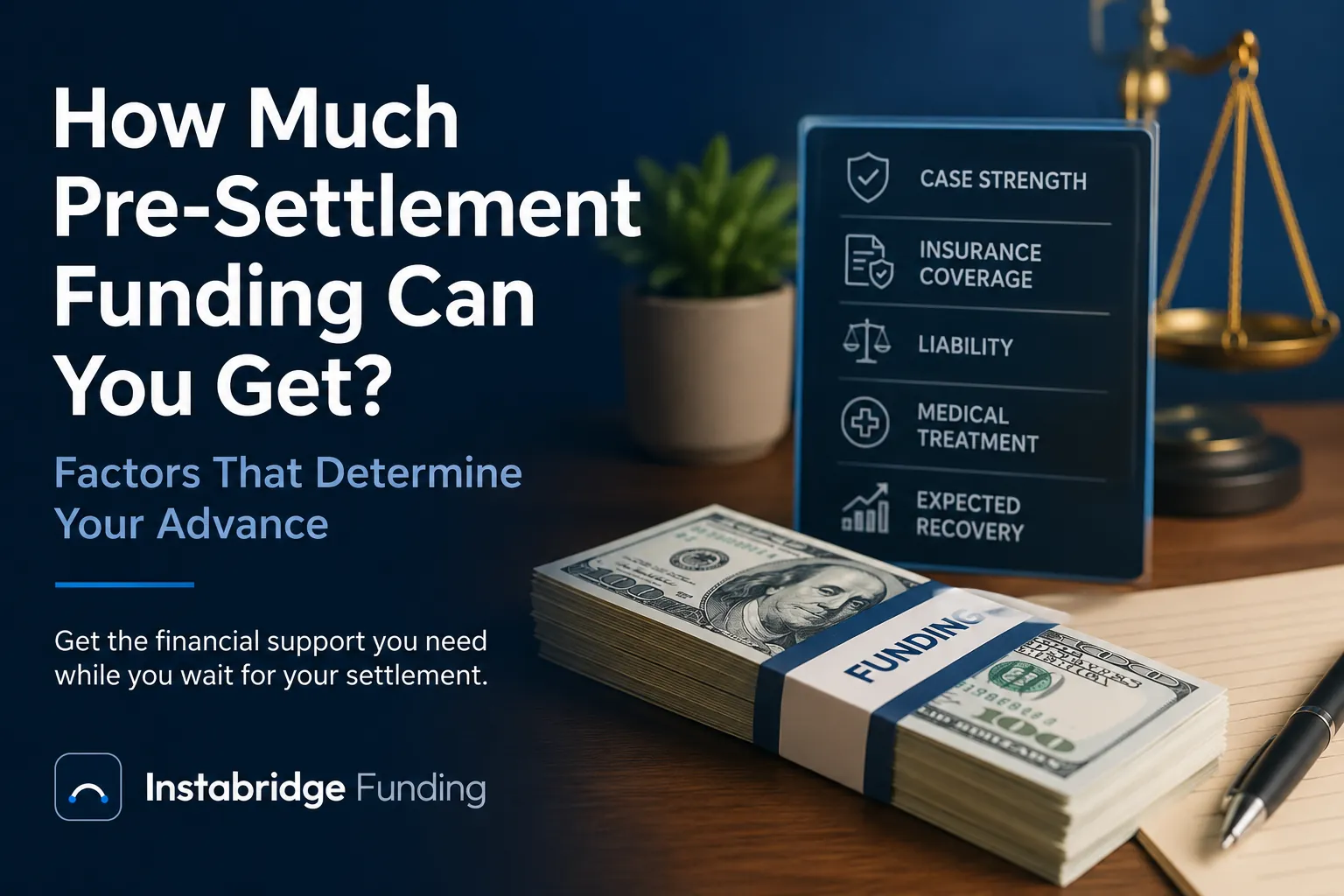
Yes. Self-employed plaintiffs may qualify for pre-settlement funding on the same general basis as any other plaintiff. Approval depends on:
Strength of the underlying liability claim
Medical documentation of the injury
Attorney's assessment of case value including lost income damages
Insurance coverage available from the defendant
Stage of litigation
The documentation challenges associated with self-employment income do not prevent funding approval. The focus is on the overall strength and value of the claim.
How Income Documentation Affects Timeline
Establishing lost income for a self-employed plaintiff can add time to the discovery process. Additional steps may include:
Gathering and organizing tax and financial records
Retaining a forensic accountant or economic expert
Responding to discovery requests related to business finances
Depositions of the plaintiff and any financial experts
These steps can delay settlement negotiations. Pre-settlement funding can help self-employed plaintiffs manage financial pressure during this period.
Responsible Funding Evaluation
When a plaintiff is self-employed, funding providers assess the income documentation component of the claim carefully. Evaluation may consider:
Availability and consistency of income records
Whether a lost income expert has been retained
The strength of liability evidence independent of the income claim
Insurance policy limits
Attorney's assessment of the total damages case
Advances are structured based on realistic projections of total case value including documented income loss. Non-recourse protection ensures repayment occurs only if recovery is obtained.
The Importance of Attorney Coordination
Attorney coordination is especially important for self-employed plaintiffs. Legal counsel can explain:
What documentation is needed to support the income loss claim
Whether an expert will be retained to quantify lost earnings
How the income claim affects overall case value
The likely timeline for resolving income-related discovery
Funding providers rely on attorney input to assess the full value of claims involving self-employed plaintiffs.
Why Plaintiffs Choose Instabridge
Instabridge understands that self-employed plaintiffs face distinct financial pressures that can make waiting for a settlement particularly difficult. Our team works directly with attorneys to evaluate each case based on the complete picture of liability and damages. We provide:
Clear written payoff disclosures
Flat-rate pricing without compounding fees
Non-recourse funding protection
Responsible advance limits
Transparent communication throughout the review process
Our goal is to provide financial support while your case progresses, regardless of the nature of your employment.
Conclusion: Funding Support for Self-Employed Injury Plaintiffs
Self-employed individuals who are injured in accidents deserve the same access to financial support during litigation as any other plaintiff. Income documentation challenges are manageable with proper legal guidance, and they do not prevent pre-settlement funding approval when the underlying claim is strong. If you are self-employed, have been injured due to someone else's negligence, and need financial support while your case is pending, contact Instabridge. Our team will review your case carefully, coordinate with your attorney, and help you determine whether pre-settlement funding is an appropriate option.