Show table of contents · 10 sections▾
- How Injuries Can Interrupt Employment
- The Difference Between Lost Wages and Lost Earning Capacity
- Financial Pressure During Extended Recovery
- How Pre-Settlement Funding Works
- How Funding Providers Evaluate These Cases
- Avoiding Financial Pressure During Negotiations
- Responsible Advance Structuring
- The Importance of Attorney Coordination
- Why Plaintiffs Choose Instabridge
- Conclusion: Financial Stability During Recovery
Serious injuries often prevent plaintiffs from returning to work for extended periods. In some cases, recovery may take months. In others, the injury may permanently affect the ability to perform previous job duties.
When income stops but everyday expenses continue, financial pressure can build quickly. For plaintiffs involved in ongoing personal injury litigation, pre-settlement funding may provide temporary financial support while the case progresses.
Understanding how funding works in situations involving lost earning capacity helps plaintiffs evaluate whether it is an appropriate option.
How Injuries Can Interrupt Employment
Personal injury cases frequently involve injuries that make it difficult or impossible to work during recovery. These may include:
Orthopedic injuries such as fractures or spinal damage
Traumatic brain injuries
Severe soft tissue injuries
Surgical recovery periods
Long-term mobility limitations
Even injuries that eventually heal may require significant time away from work.
When employment income stops, plaintiffs may face immediate financial challenges.
The Difference Between Lost Wages and Lost Earning Capacity
In personal injury claims, damages related to employment may include two distinct categories:
Lost wages refer to income missed during the recovery period. This includes time away from work while receiving treatment or attending medical appointments.
Lost earning capacity refers to the long-term impact of an injury on a person’s ability to earn income in the future.
For example:
A construction worker with permanent back injury may be unable to return to physical labor.
A delivery driver may be unable to drive for extended periods.
A professional may face reduced productivity due to chronic pain or cognitive impairment.
These damages are often evaluated through medical opinions and vocational assessments.
Financial Pressure During Extended Recovery
When plaintiffs cannot return to work, household expenses continue even while litigation is ongoing.
Common financial pressures include:
Rent or mortgage payments
Utilities and insurance
Vehicle payments
Medical co-pays
Everyday living expenses
Because personal injury cases can take many months or longer to resolve, plaintiffs may struggle to manage these costs without steady income.
Pre-settlement funding can help bridge that gap.
How Pre-Settlement Funding Works
Pre-settlement funding provides an advance based on the projected value of a pending personal injury claim.
Because funding is non-recourse, repayment occurs only if the case results in recovery.
Unlike traditional loans, approval is not based on:
Credit history
Employment status
Income verification
Instead, funding providers evaluate the strength of the legal claim itself.
This structure allows plaintiffs who cannot work due to injury to access financial support during litigation.
How Funding Providers Evaluate These Cases
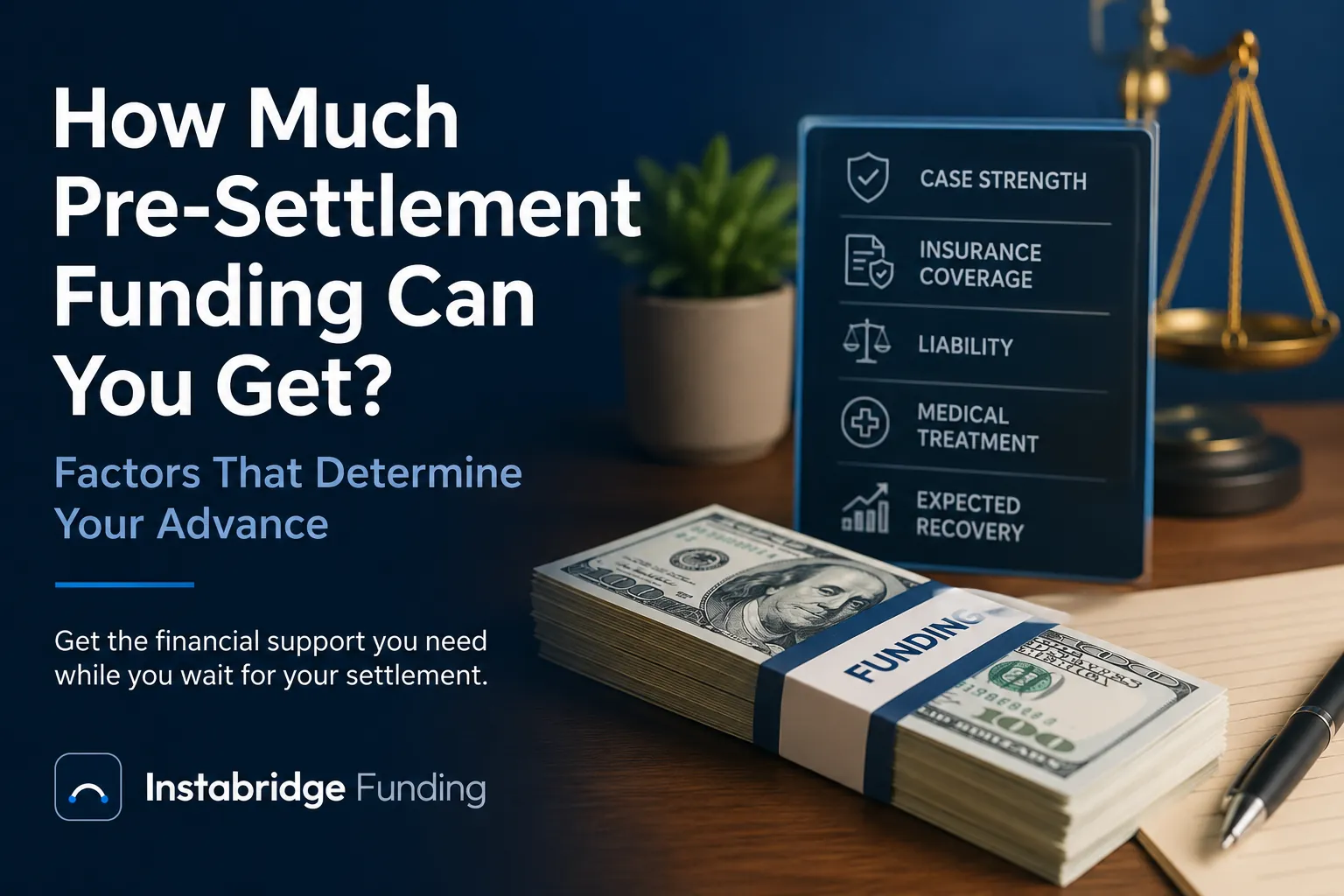
When evaluating funding applications involving lost employment, providers typically review:
Liability evidence
Medical documentation of injury
Severity of functional limitations
Insurance coverage availability
Attorney’s settlement estimate
Litigation stage
Medical records confirming the inability to work can help support the overall case evaluation.
Funding providers rely on attorney guidance when interpreting these records.
Avoiding Financial Pressure During Negotiations
Insurance companies are aware when plaintiffs are experiencing financial hardship. In some cases, this pressure can lead to early settlement offers that may not fully reflect the value of the claim.
Pre-settlement funding may help reduce that pressure by allowing plaintiffs to:
Cover essential expenses
Continue medical treatment
Focus on recovery
Allow attorneys time to negotiate appropriately
Funding should support informed decision-making rather than forcing quick settlements due to financial stress.
Responsible Advance Structuring
Even when a case appears strong, responsible funding providers structure advances conservatively.
Evaluation typically considers:
Total projected settlement value
Legal fees and litigation costs
Medical liens and reimbursement obligations
Existing advances or obligations
This approach helps ensure that plaintiffs retain a meaningful portion of their settlement once the case resolves.
Non-recourse protection ensures repayment occurs only if recovery is obtained.
The Importance of Attorney Coordination
Attorney coordination is essential in cases involving employment interruption. Legal counsel can clarify:
Whether the plaintiff can return to work
Whether vocational experts are involved
The expected timeline for recovery
The projected settlement range
Funding providers rely on this professional assessment rather than making independent employment evaluations.
Coordination ensures funding decisions reflect the legal strategy of the case.
Why Plaintiffs Choose Instabridge
Instabridge understands that injuries often disrupt employment and create financial stress during litigation. Our team evaluates each case carefully, focusing on documented injury impact and realistic settlement expectations.
We provide:
Clear written payoff disclosures
Flat-rate pricing without compounding
Non-recourse funding protection
Responsible advance limits
Transparent communication throughout the review process
Our goal is to provide financial stability while plaintiffs focus on recovery and legal resolution.
Conclusion: Financial Stability During Recovery
Injuries that prevent a return to work can create significant financial challenges during personal injury litigation. While compensation for lost income may eventually be recovered through settlement, the legal process takes time.
Pre-settlement funding can provide temporary financial support during recovery when structured responsibly and coordinated with legal counsel.
If your injury has prevented you from returning to work and you need financial assistance while your case progresses, contact Instabridge. Our team will review your case carefully, coordinate with your attorney, and help you determine whether pre-settlement funding is an appropriate option for your situation.