
GUIDE

Pre-Settlement Funding When Liability Is Clear but Damages Are Disputed

Pre-Settlement Funding When Liability Is Clear but Damages Are Disputed

In many personal injury cases, the parties agree on how the accident occurred. Liability may be well established through police reports, witness statements, or admissions by the defendant. However, even when fault is clear, disagreements often arise regarding the extent of the plaintiff’s injuries and the appropriate level of compensation.

These disputes over damages can delay settlement negotiations and extend litigation timelines. For plaintiffs facing financial pressure during this period, pre-settlement funding may provide temporary financial support while the case moves toward resolution.

Understanding how funding works in cases with clear liability but disputed damages can help plaintiffs evaluate their options.

What It Means When Damages Are Disputed

Damages refer to the financial compensation sought for losses caused by an injury. Even when the defendant accepts responsibility for the accident, insurers may challenge the scope or value of the damages being claimed.

Common areas of dispute include:

  • The severity of the injury

  • The necessity of certain medical treatments

  • The length of recovery time

  • The extent of permanent impairment

  • Future medical care needs

  • Lost income or reduced earning capacity

Insurance carriers may attempt to reduce settlement offers by questioning these elements.

Why Damage Disputes Are Common

Unlike liability, which often involves clear factual questions about how an accident occurred, damages can involve complex medical and financial assessments.

Insurers may argue that:

  • Some medical treatment was unnecessary

  • Certain symptoms were pre-existing

  • Recovery occurred faster than claimed

  • Future medical care is unlikely to be required

Defense experts may review medical records and offer alternative opinions about the injury’s impact.

These disagreements frequently become the primary focus of settlement negotiations.

How Damage Disputes Affect Settlement Timing

When damages are disputed, attorneys may need additional evidence to support the claim. This can include:

  • Medical expert testimony

  • Additional diagnostic testing

  • Vocational evaluations

  • Life care planning assessments

  • Economic loss calculations

These steps strengthen the legal case but may extend the time required to reach settlement.

During this period, plaintiffs may continue to face financial obligations while waiting for resolution.

How Pre-Settlement Funding Works in These Cases

Pre-settlement funding provides an advance against a pending legal claim. Because funding is non-recourse, repayment occurs only if the case results in recovery.

Approval is based on the overall strength of the case rather than the plaintiff’s credit history or employment status.

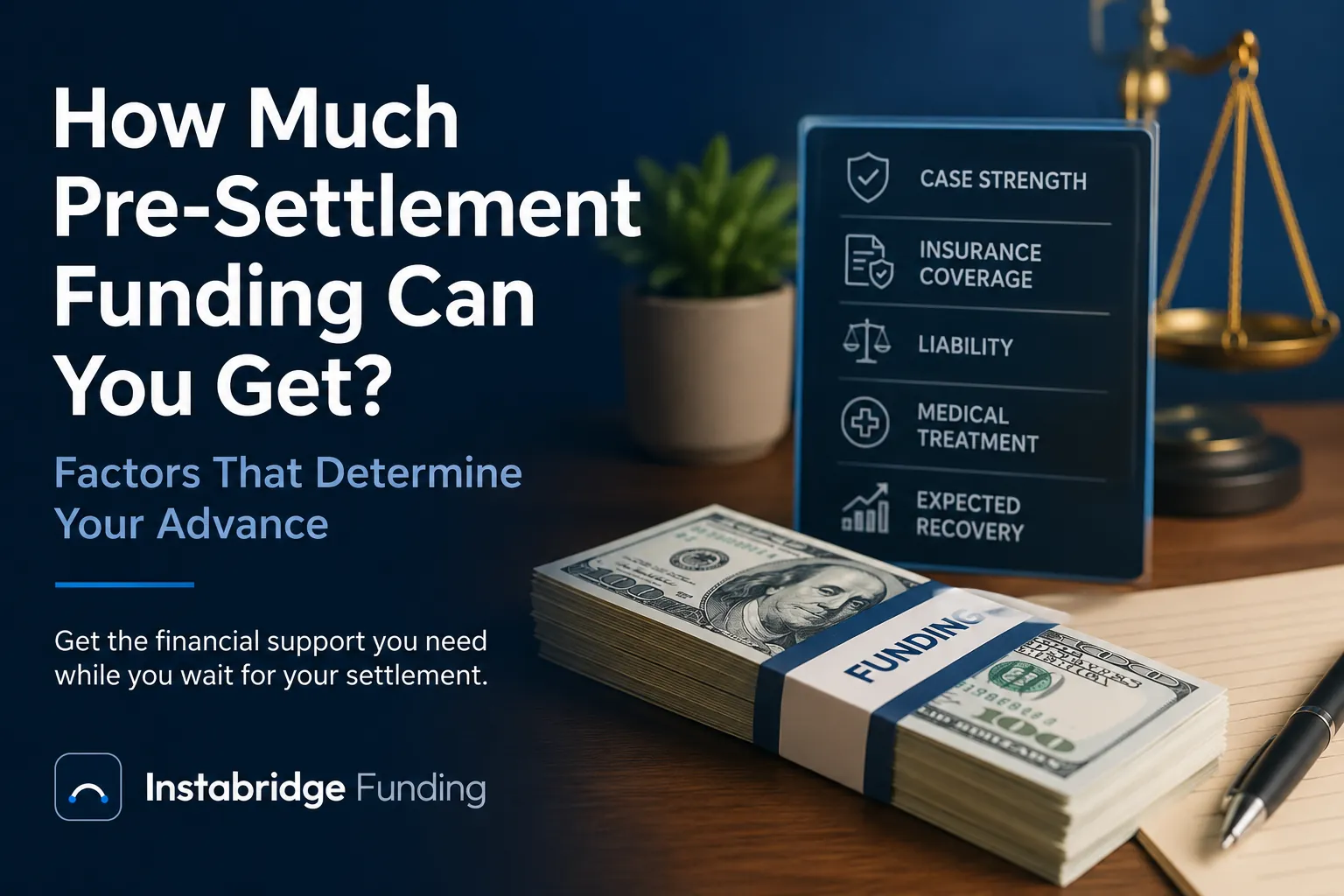
When liability is clear but damages are disputed, funding providers typically evaluate:

  • Confirmed liability evidence

  • Medical documentation of injury

  • Insurance coverage availability

  • Attorney’s estimated settlement range

  • Stage of litigation

Attorney insight plays a central role in this evaluation.

Why Clear Liability Can Strengthen Funding Applications

Cases with clear liability often present lower legal risk compared to situations where fault remains uncertain.

Evidence supporting liability may include:

  • Police accident reports

  • Witness statements

  • Video or photographic evidence

  • Defendant admissions

When liability is well established, the primary question becomes the value of the damages rather than whether compensation will occur at all.

This clarity can help funding providers evaluate potential recovery more confidently.

Responsible Advance Structuring

Even when liability is clear, responsible funding providers structure advances carefully. Damage disputes can affect the final settlement amount, so advances must reflect realistic expectations.

Evaluation typically considers:

  • Medical expenses documented to date

  • Potential future treatment

  • Legal fees and litigation costs

  • Medical liens and reimbursement obligations

  • Insurance policy limits

Conservative advance structuring helps protect the plaintiff’s eventual recovery.

Avoiding Settlement Pressure

Financial pressure during litigation can sometimes lead plaintiffs to accept lower settlement offers simply to resolve uncertainty.

Pre-settlement funding may help reduce that pressure by allowing plaintiffs to:

  • Cover essential living expenses

  • Continue medical treatment

  • Allow attorneys time to develop the case fully

  • Negotiate from a position of stability

Funding should support informed legal decisions rather than replace legal strategy.

The Importance of Attorney Coordination

Attorney coordination is essential when damages are disputed. Legal counsel can explain:

  • The strength of medical evidence

  • Whether additional expert evaluations are planned

  • The likely timeline for settlement discussions

  • The estimated range of compensation

Funding providers rely on this professional assessment when evaluating the application.

Direct communication between counsel and the funding company ensures that funding decisions align with the legal realities of the case.

Why Plaintiffs Choose Instabridge

Instabridge understands that many personal injury cases involve disputes over damages even when liability is clear. Our team evaluates each case carefully, focusing on documented evidence and realistic settlement expectations.

We provide:

  • Clear written payoff disclosures

  • Flat-rate pricing without compounding fees

  • Non-recourse funding protection

  • Responsible advance limits

  • Transparent communication throughout the review process

Our goal is to provide financial support while litigation continues.

Conclusion: Managing Financial Pressure During Damage Disputes

Even when fault is not contested, disagreements about the value of injuries can delay settlement negotiations. These disputes often require additional medical documentation and expert evaluation before a case can resolve.

Pre-settlement funding can provide financial stability during this process, allowing plaintiffs to focus on recovery while their attorney works toward a fair resolution.

If your personal injury case involves clear liability but disputed damages and you need financial support while the case progresses, contact Instabridge. Our team will review your case carefully, coordinate with your attorney, and help you determine whether pre-settlement funding is an appropriate option.
In many personal injury cases, the parties agree on how the accident occurred. Liability may be well established through police reports, witness statements, or admissions by the defendant. However, even when fault is clear, disagreements often arise regarding the extent of the plaintiff’s injuries and the appropriate level of compensation.

These disputes over damages can delay settlement negotiations and extend litigation timelines. For plaintiffs facing financial pressure during this period, pre-settlement funding may provide temporary financial support while the case moves toward resolution.

Understanding how funding works in cases with clear liability but disputed damages can help plaintiffs evaluate their options.

What It Means When Damages Are Disputed

Damages refer to the financial compensation sought for losses caused by an injury. Even when the defendant accepts responsibility for the accident, insurers may challenge the scope or value of the damages being claimed.

Common areas of dispute include:

  • The severity of the injury

  • The necessity of certain medical treatments

  • The length of recovery time

  • The extent of permanent impairment

  • Future medical care needs

  • Lost income or reduced earning capacity

Insurance carriers may attempt to reduce settlement offers by questioning these elements.

Why Damage Disputes Are Common

Unlike liability, which often involves clear factual questions about how an accident occurred, damages can involve complex medical and financial assessments.

Insurers may argue that:

  • Some medical treatment was unnecessary

  • Certain symptoms were pre-existing

  • Recovery occurred faster than claimed

  • Future medical care is unlikely to be required

Defense experts may review medical records and offer alternative opinions about the injury’s impact.

These disagreements frequently become the primary focus of settlement negotiations.

How Damage Disputes Affect Settlement Timing

When damages are disputed, attorneys may need additional evidence to support the claim. This can include:

  • Medical expert testimony

  • Additional diagnostic testing

  • Vocational evaluations

  • Life care planning assessments

  • Economic loss calculations

These steps strengthen the legal case but may extend the time required to reach settlement.

During this period, plaintiffs may continue to face financial obligations while waiting for resolution.

How Pre-Settlement Funding Works in These Cases

Pre-settlement funding provides an advance against a pending legal claim. Because funding is non-recourse, repayment occurs only if the case results in recovery.

Approval is based on the overall strength of the case rather than the plaintiff’s credit history or employment status.

When liability is clear but damages are disputed, funding providers typically evaluate:

  • Confirmed liability evidence

  • Medical documentation of injury

  • Insurance coverage availability

  • Attorney’s estimated settlement range

  • Stage of litigation

Attorney insight plays a central role in this evaluation.

Why Clear Liability Can Strengthen Funding Applications

Cases with clear liability often present lower legal risk compared to situations where fault remains uncertain.

Evidence supporting liability may include:

  • Police accident reports

  • Witness statements

  • Video or photographic evidence

  • Defendant admissions

When liability is well established, the primary question becomes the value of the damages rather than whether compensation will occur at all.

This clarity can help funding providers evaluate potential recovery more confidently.

Responsible Advance Structuring

Even when liability is clear, responsible funding providers structure advances carefully. Damage disputes can affect the final settlement amount, so advances must reflect realistic expectations.

Evaluation typically considers:

  • Medical expenses documented to date

  • Potential future treatment

  • Legal fees and litigation costs

  • Medical liens and reimbursement obligations

  • Insurance policy limits

Conservative advance structuring helps protect the plaintiff’s eventual recovery.

Avoiding Settlement Pressure

Financial pressure during litigation can sometimes lead plaintiffs to accept lower settlement offers simply to resolve uncertainty.

Pre-settlement funding may help reduce that pressure by allowing plaintiffs to:

  • Cover essential living expenses

  • Continue medical treatment

  • Allow attorneys time to develop the case fully

  • Negotiate from a position of stability

Funding should support informed legal decisions rather than replace legal strategy.

The Importance of Attorney Coordination

Attorney coordination is essential when damages are disputed. Legal counsel can explain:

  • The strength of medical evidence

  • Whether additional expert evaluations are planned

  • The likely timeline for settlement discussions

  • The estimated range of compensation

Funding providers rely on this professional assessment when evaluating the application.

Direct communication between counsel and the funding company ensures that funding decisions align with the legal realities of the case.

Why Plaintiffs Choose Instabridge

Instabridge understands that many personal injury cases involve disputes over damages even when liability is clear. Our team evaluates each case carefully, focusing on documented evidence and realistic settlement expectations.

We provide:

  • Clear written payoff disclosures

  • Flat-rate pricing without compounding fees

  • Non-recourse funding protection

  • Responsible advance limits

  • Transparent communication throughout the review process

Our goal is to provide financial support while litigation continues.

Conclusion: Managing Financial Pressure During Damage Disputes

Even when fault is not contested, disagreements about the value of injuries can delay settlement negotiations. These disputes often require additional medical documentation and expert evaluation before a case can resolve.

Pre-settlement funding can provide financial stability during this process, allowing plaintiffs to focus on recovery while their attorney works toward a fair resolution.

If your personal injury case involves clear liability but disputed damages and you need financial support while the case progresses, contact Instabridge. Our team will review your case carefully, coordinate with your attorney, and help you determine whether pre-settlement funding is an appropriate option.

In many personal injury cases, the parties agree on how the accident occurred. Liability may be well established through police reports, witness statements, or admissions by the defendant. However, even when fault is clear, disagreements often arise regarding the extent of the plaintiff’s injuries and the appropriate level of compensation.

These disputes over damages can delay settlement negotiations and extend litigation timelines. For plaintiffs facing financial pressure during this period, pre-settlement funding may provide temporary financial support while the case moves toward resolution.

Understanding how funding works in cases with clear liability but disputed damages can help plaintiffs evaluate their options.

What It Means When Damages Are Disputed

Damages refer to the financial compensation sought for losses caused by an injury. Even when the defendant accepts responsibility for the accident, insurers may challenge the scope or value of the damages being claimed.

Common areas of dispute include:

  • The severity of the injury

  • The necessity of certain medical treatments

  • The length of recovery time

  • The extent of permanent impairment

  • Future medical care needs

  • Lost income or reduced earning capacity

Insurance carriers may attempt to reduce settlement offers by questioning these elements.

Why Damage Disputes Are Common

Unlike liability, which often involves clear factual questions about how an accident occurred, damages can involve complex medical and financial assessments.

Insurers may argue that:

  • Some medical treatment was unnecessary

  • Certain symptoms were pre-existing

  • Recovery occurred faster than claimed

  • Future medical care is unlikely to be required

Defense experts may review medical records and offer alternative opinions about the injury’s impact.

These disagreements frequently become the primary focus of settlement negotiations.

How Damage Disputes Affect Settlement Timing

When damages are disputed, attorneys may need additional evidence to support the claim. This can include:

  • Medical expert testimony

  • Additional diagnostic testing

  • Vocational evaluations

  • Life care planning assessments

  • Economic loss calculations

These steps strengthen the legal case but may extend the time required to reach settlement.

During this period, plaintiffs may continue to face financial obligations while waiting for resolution.

How Pre-Settlement Funding Works in These Cases

Pre-settlement funding provides an advance against a pending legal claim. Because funding is non-recourse, repayment occurs only if the case results in recovery.

Approval is based on the overall strength of the case rather than the plaintiff’s credit history or employment status.

When liability is clear but damages are disputed, funding providers typically evaluate:

  • Confirmed liability evidence

  • Medical documentation of injury

  • Insurance coverage availability

  • Attorney’s estimated settlement range

  • Stage of litigation

Attorney insight plays a central role in this evaluation.

Why Clear Liability Can Strengthen Funding Applications

Cases with clear liability often present lower legal risk compared to situations where fault remains uncertain.

Evidence supporting liability may include:

  • Police accident reports

  • Witness statements

  • Video or photographic evidence

  • Defendant admissions

When liability is well established, the primary question becomes the value of the damages rather than whether compensation will occur at all.

This clarity can help funding providers evaluate potential recovery more confidently.

Responsible Advance Structuring

Even when liability is clear, responsible funding providers structure advances carefully. Damage disputes can affect the final settlement amount, so advances must reflect realistic expectations.

Evaluation typically considers:

  • Medical expenses documented to date

  • Potential future treatment

  • Legal fees and litigation costs

  • Medical liens and reimbursement obligations

  • Insurance policy limits

Conservative advance structuring helps protect the plaintiff’s eventual recovery.

Avoiding Settlement Pressure

Financial pressure during litigation can sometimes lead plaintiffs to accept lower settlement offers simply to resolve uncertainty.

Pre-settlement funding may help reduce that pressure by allowing plaintiffs to:

  • Cover essential living expenses

  • Continue medical treatment

  • Allow attorneys time to develop the case fully

  • Negotiate from a position of stability

Funding should support informed legal decisions rather than replace legal strategy.

The Importance of Attorney Coordination

Attorney coordination is essential when damages are disputed. Legal counsel can explain:

  • The strength of medical evidence

  • Whether additional expert evaluations are planned

  • The likely timeline for settlement discussions

  • The estimated range of compensation

Funding providers rely on this professional assessment when evaluating the application.

Direct communication between counsel and the funding company ensures that funding decisions align with the legal realities of the case.

Why Plaintiffs Choose Instabridge

Instabridge understands that many personal injury cases involve disputes over damages even when liability is clear. Our team evaluates each case carefully, focusing on documented evidence and realistic settlement expectations.

We provide:

  • Clear written payoff disclosures

  • Flat-rate pricing without compounding fees

  • Non-recourse funding protection

  • Responsible advance limits

  • Transparent communication throughout the review process

Our goal is to provide financial support while litigation continues.

Conclusion: Managing Financial Pressure During Damage Disputes

Even when fault is not contested, disagreements about the value of injuries can delay settlement negotiations. These disputes often require additional medical documentation and expert evaluation before a case can resolve.

Pre-settlement funding can provide financial stability during this process, allowing plaintiffs to focus on recovery while their attorney works toward a fair resolution.

If your personal injury case involves clear liability but disputed damages and you need financial support while the case progresses, contact Instabridge. Our team will review your case carefully, coordinate with your attorney, and help you determine whether pre-settlement funding is an appropriate option.
Back to blogs

Other Blogs

Waiting on a Settlement? Get Cash Now!

Instabridge Funding provides fast, risk-free legal funding.

Apply Now

Waiting on a Settlement? Get Cash Now!

Instabridge Funding provides fast, risk-free legal funding.

Apply Now