Show table of contents · 9 sections▾
- Why Temporary Event Cases Are More Complex
- Common Types of Injuries at Temporary Events
- How Multi-Party Liability Affects Case Evaluation
- Can Plaintiffs Still Qualify for Funding?
- How Temporary Event Cases Can Affect Timeline
- Responsible Funding Evaluation
- The Importance of Attorney Coordination
- Why Plaintiffs Choose Instabridge
- Conclusion: Funding Support After an Injury at a Temporary Event
Injuries that occur at temporary events — such as festivals, pop-up markets, seasonal fairs, or temporary construction sites — present unique liability challenges. Unlike permanent business locations, temporary events often involve multiple vendors, short-term leases, and overlapping responsibilities for safety.
For plaintiffs injured at these types of events, identifying the responsible party and pursuing a claim can be more complex than in a standard premises liability case. Understanding how these complexities affect pre-settlement funding eligibility is important for injured plaintiffs.
Why Temporary Event Cases Are More Complex
Liability in temporary event cases is often disputed because responsibility for safety may be shared among multiple parties. These may include:
The event organizer or promoter
Individual vendors or booth operators
The property owner who leased the space for the event
A contracted event management or security company
Equipment rental companies responsible for structures or staging
Determining which party controlled the specific area where the injury occurred is central to establishing liability.
Common Types of Injuries at Temporary Events
Injuries at temporary events can range widely in severity and cause. Common scenarios include:
Slip and fall accidents on uneven or unmarked surfaces
Injuries from temporary structures such as stages, tents, or bleachers
Crowd-related injuries from inadequate safety planning
Electrical or equipment failures
Food or product liability incidents involving vendor offerings
Each type of injury may implicate a different responsible party.
How Multi-Party Liability Affects Case Evaluation
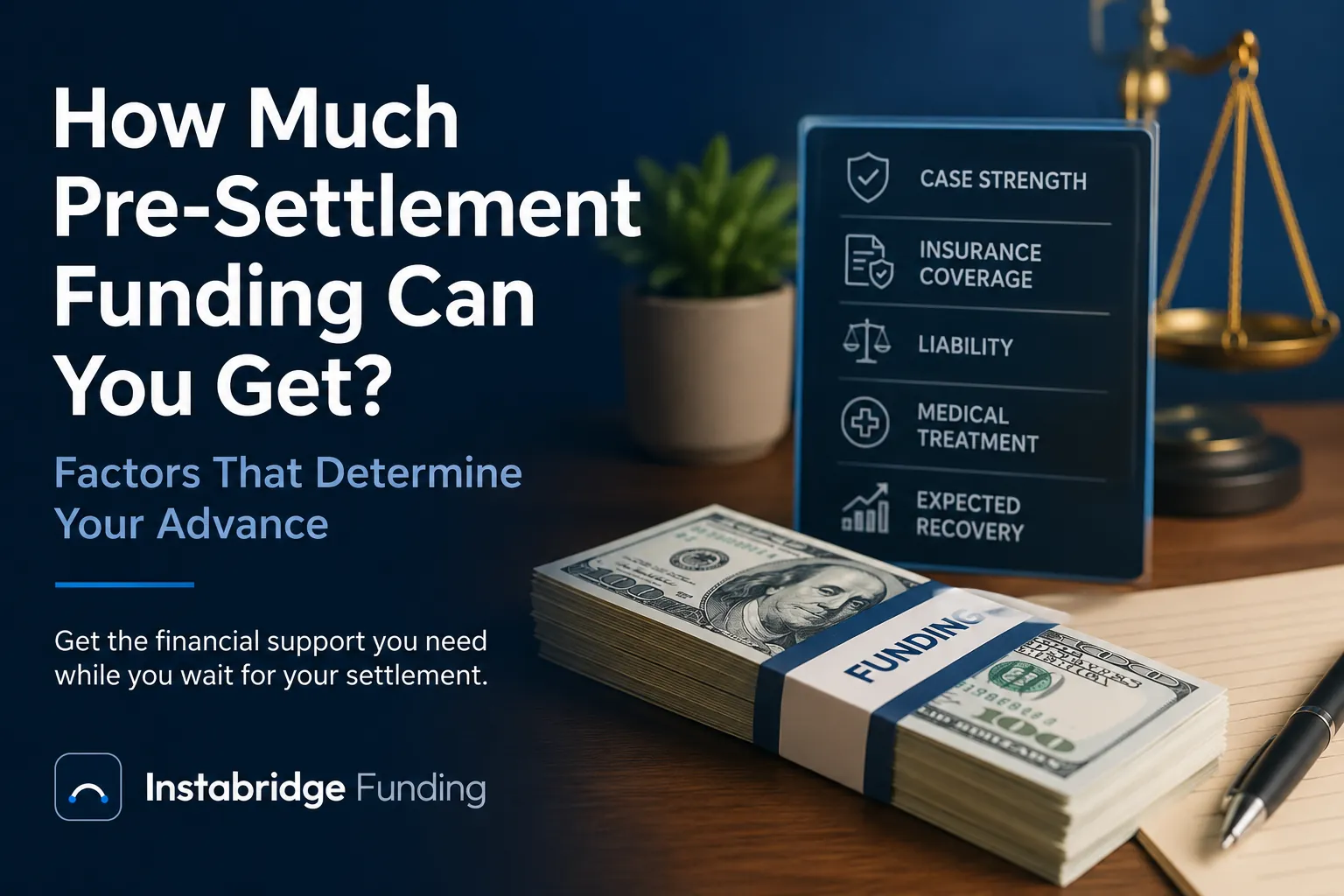
When multiple parties may share responsibility for a temporary event injury, funding providers assess the claim with attention to:
Which party or parties had control over the area where the injury occurred
Whether insurance coverage exists for each potentially responsible party
The attorney's strategy for naming and pursuing defendants
The strength of documentation tying the injury to a specific condition or party
The stage of litigation and how liability is being developed
Cases with clearly documented conditions and multiple insured defendants may present stronger funding prospects.
Can Plaintiffs Still Qualify for Funding?
Yes. Cases involving injuries at temporary events may still qualify for pre-settlement funding. Approval depends on:
Medical documentation of the injury
Evidence of the hazardous condition that caused the injury
Identification of at least one viable defendant with insurance coverage
Attorney's assessment of liability and case value
Stage of litigation
Funding providers evaluate the overall strength of the claim rather than the specific venue type. Attorney input is essential in cases with multiple potential defendants.
How Temporary Event Cases Can Affect Timeline
Establishing liability in temporary event cases often takes more time than in standard premises cases. Additional steps may include:
Investigation to identify all responsible parties
Subpoenas for contracts between event organizers and vendors
Discovery related to insurance coverage across multiple defendants
Depositions of event staff and organizers
These steps can delay settlement negotiations. Pre-settlement funding can provide financial stability while liability is being established.
Responsible Funding Evaluation
When a case involves a temporary event with multiple potential defendants, funding providers assess the situation carefully. Evaluation may consider:
Clarity of the condition that caused the injury
Identification of responsible parties and their insurance coverage
Attorney's confidence in establishing liability against at least one defendant
Medical documentation and injury severity
Legal fees and anticipated discovery costs
Conservative structuring helps protect the plaintiff's net recovery when liability is still being developed. Non-recourse protection ensures repayment occurs only if recovery is obtained.
The Importance of Attorney Coordination
Attorney guidance is especially important in temporary event injury cases. Legal counsel can explain:
Which parties are most likely responsible and why
Whether multiple defendants will be pursued simultaneously
The strength of available evidence linking the injury to a specific condition
The expected timeline for establishing liability and pursuing recovery
Funding providers rely on this analysis to evaluate cases where venue-related complexity adds uncertainty.
Why Plaintiffs Choose Instabridge
Instabridge understands that not all injury cases arise from permanent business locations. When injuries occur at temporary events with overlapping responsibilities, our team works directly with attorneys to assess each case based on the available evidence and realistic recovery potential. We provide:
Clear written payoff disclosures
Flat-rate pricing without compounding fees
Non-recourse funding protection
Responsible advance limits
Transparent communication throughout the review process
Our goal is to provide financial support while your case is developed and progresses toward resolution.
Conclusion: Funding Support After an Injury at a Temporary Event
Injuries at temporary events introduce complexity around liability and party identification, but they do not prevent recovery or funding approval when the underlying claim is well-supported. Attorneys experienced in premises liability can navigate multi-party event cases effectively. If you were injured at a festival, fair, pop-up event, or similar temporary gathering and need financial support while litigation continues, contact Instabridge. Our team will review your case carefully, coordinate with your attorney, and help you determine whether pre-settlement funding is an appropriate option.