Show table of contents · 11 sections▾
- What Shared Liability Means
- How Comparative Fault Works Among Defendants
- Why Multi-Defendant Cases Can Take Longer
- Insurance Coverage Across Multiple Defendants
- How Funding Providers Evaluate Multi-Defendant Cases
- Can Plaintiffs Still Qualify for Funding?
- The Risk of Liability Disputes Between Defendants
- Responsible Advance Structuring
- The Importance of Attorney Coordination
- Why Plaintiffs Choose Instabridge
- Conclusion: Navigating Complex Liability Cases
Some personal injury cases involve more than one potentially responsible party. Multi-defendant litigation is common in situations such as construction accidents, multi-vehicle collisions, product liability claims, and premises liability incidents involving contractors or property managers.
When liability may be shared between several defendants, the legal process can become more complex. For plaintiffs considering pre-settlement funding, understanding how shared liability affects case evaluation is important.
Funding providers must assess not only the strength of the claim, but also how responsibility may be divided among defendants.
What Shared Liability Means
Shared liability occurs when more than one party may have contributed to the accident or injury. Each defendant may bear a portion of responsibility based on their actions, contractual obligations, or role in the incident.
Examples include:
A car accident involving multiple drivers
A construction site injury involving several contractors
A defective product distributed through multiple companies
A premises liability claim involving both property owner and tenant
Courts may allocate fault percentages to each responsible party.
These allocations influence settlement negotiations and recovery amounts.
How Comparative Fault Works Among Defendants
In many jurisdictions, courts or settlement negotiations determine how liability is divided among defendants.
For example:
Defendant A may be found 60% responsible
Defendant B may be found 30% responsible
Defendant C may be found 10% responsible
Each party’s insurer may then contribute proportionally toward a settlement.
In some cases, joint and several liability rules allow plaintiffs to recover the full judgment from one defendant, who may then seek contribution from others.
Attorneys evaluate how local law applies in these situations.
Why Multi-Defendant Cases Can Take Longer
When multiple defendants are involved, litigation often includes additional procedural steps.
These may include:
Separate legal teams representing each defendant
Disputes between defendants over responsibility
Additional depositions and discovery
Multiple expert witnesses
Complex settlement negotiations
Each defendant may attempt to shift blame to another party, which can extend the timeline for resolution.
Financial pressure during these extended proceedings may lead plaintiffs to explore pre-settlement funding.
Insurance Coverage Across Multiple Defendants
In many multi-defendant cases, each party may have its own liability insurance policy.
This can potentially increase available recovery, particularly when:
Multiple commercial policies apply
Contractors carry separate coverage
Vehicle owners and drivers have different policies
Corporate entities maintain layered insurance programs
Funding providers consider the presence of multiple insurance policies when evaluating projected settlement value.
However, coverage alone does not determine recovery; liability allocation remains critical.
How Funding Providers Evaluate Multi-Defendant Cases
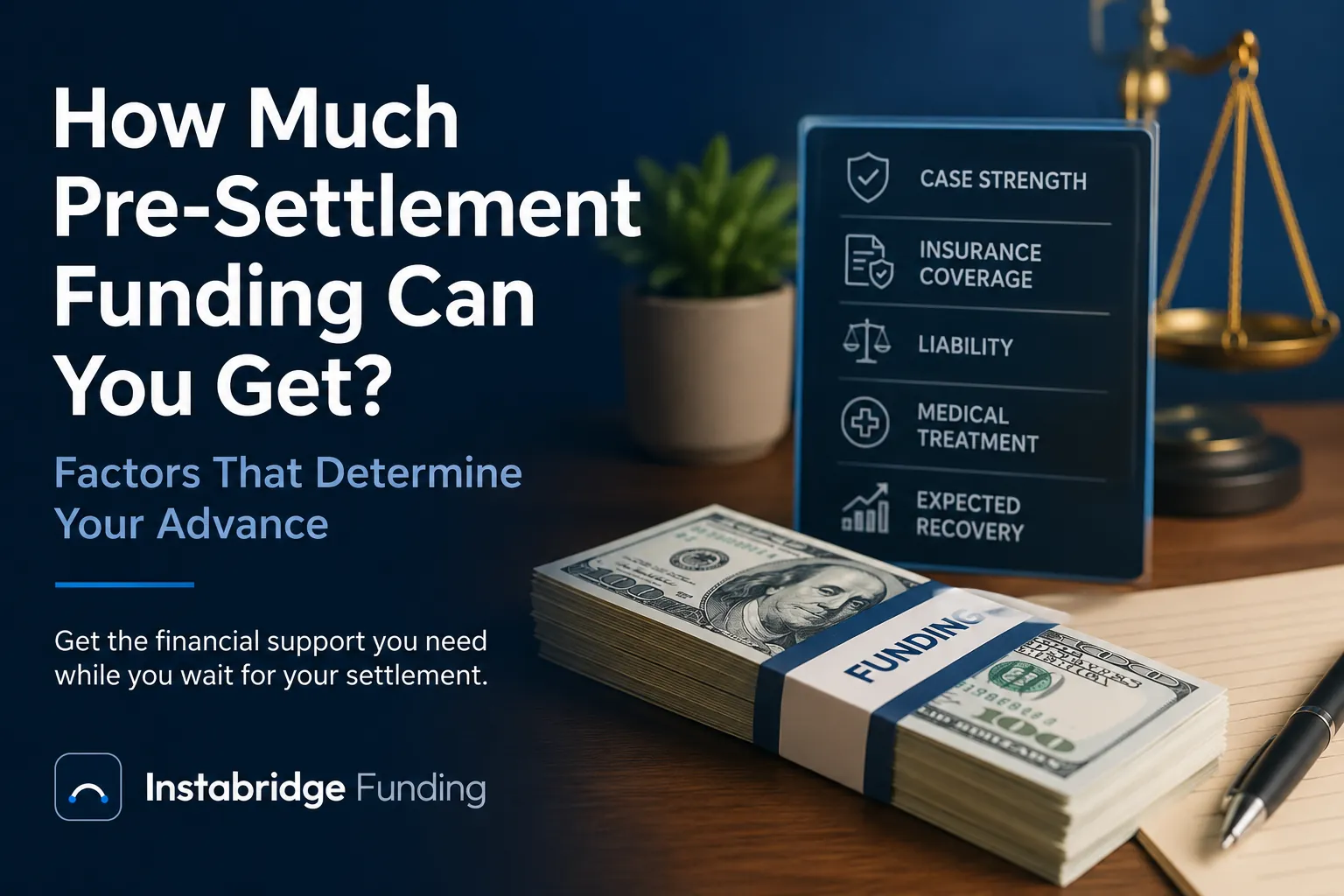
Pre-settlement funding companies review several factors when evaluating cases involving multiple defendants, including:
Liability evidence against each party
Available insurance coverage
Potential allocation of fault
Severity of injuries
Attorney’s valuation of the claim
Litigation stage
Because multiple parties may contribute to the final settlement, providers evaluate the combined recovery potential rather than focusing on a single defendant.
Attorney insight is essential in this process.
Can Plaintiffs Still Qualify for Funding?
Yes. Many multi-defendant cases qualify for pre-settlement funding.
Approval depends on the overall strength of the claim, including:
Evidence supporting liability
Insurance coverage across defendants
Medical documentation of injuries
Attorney’s evaluation of settlement potential
The presence of several defendants does not prevent funding approval. In some cases, it may even increase recovery potential if multiple policies apply.
However, responsible advance structuring remains essential.
The Risk of Liability Disputes Between Defendants
One common complication in multi-defendant litigation is that defendants may dispute responsibility among themselves.
This can lead to:
Cross-claims between defendants
Delays in settlement negotiations
Additional discovery and expert testimony
Mediation sessions involving multiple parties
While these disputes may ultimately strengthen the plaintiff’s negotiating position, they can extend the time required to resolve the case.
Pre-settlement funding may provide financial stability during these delays.
Responsible Advance Structuring
Because liability allocation may remain uncertain until late in litigation, funding providers structure advances carefully.
Evaluation typically considers:
Estimated total settlement value
Policy limits of each defendant
Attorney fees and litigation expenses
Existing liens or obligations
Potential fault allocation outcomes
Conservative structuring helps preserve the plaintiff’s net recovery when the case resolves.
Non-recourse protection ensures repayment occurs only if recovery is obtained.
The Importance of Attorney Coordination
Attorney coordination is critical in multi-defendant cases. Legal counsel can explain:
Which parties are likely to bear primary liability
Whether additional defendants may be added
How settlement negotiations may unfold
Expected timeline for resolution
Funding providers rely on this professional analysis rather than independently interpreting liability issues.
Coordination ensures that funding decisions align with the legal strategy of the case.
Why Plaintiffs Choose Instabridge
Instabridge understands the complexity of multi-defendant litigation. Our team evaluates each case carefully, working directly with attorneys to assess liability allocation and insurance coverage.
We provide:
Clear payoff disclosures
Flat-rate pricing without compounding
Non-recourse funding protection
Responsible advance limits
Transparent communication throughout the review process
Our goal is to provide financial support while protecting the plaintiff’s long-term recovery.
Conclusion: Navigating Complex Liability Cases
When multiple defendants are involved in a personal injury claim, determining responsibility can take time. Although this complexity may extend litigation timelines, it does not eliminate the potential for recovery.
Pre-settlement funding can provide financial stability during the legal process when structured responsibly and in coordination with counsel.
If your case involves multiple defendants and you need financial support while litigation continues, contact Instabridge. Our team will review your case carefully, coordinate with your attorney, and help you determine whether pre-settlement funding is an appropriate option.