When the party responsible for an accident is a minor, personal injury claims can involve unique legal and practical challenges. Minors generally cannot be sued directly in the same manner as adults, and recovering compensation may depend on the financial resources of the minor's parents or guardians, applicable insurance coverage, or other sources of recovery.
For plaintiffs injured by a minor, understanding how these factors affect case evaluation and pre-settlement funding eligibility is important. The involvement of a minor defendant does not automatically prevent recovery or funding approval when adequate sources of compensation exist.
How the Law Treats Minor Defendants
The legal framework governing claims against minors varies by jurisdiction, but several general principles apply in most states. These include:
Minors may be held to a modified standard of care based on their age and maturity
Parents or guardians may bear liability for a minor's negligent conduct in certain circumstances
Parental liability statutes in many states impose direct responsibility on parents for damages caused by their minor children
A minor's liability may be limited if they lack the capacity to understand the consequences of their actions
Guardians ad litem may be appointed to represent the minor's interests in litigation
Understanding which parties can be held responsible is a critical first step in these cases.
Common Sources of Recovery When a Minor Is at Fault
When a minor causes an injury, recovery often depends on sources beyond the minor's own assets. Potential sources include:
The homeowner's insurance policy of the minor's parents or guardians
Auto insurance coverage if the injury involved a vehicle operated by a minor
Umbrella insurance policies held by the minor's family
Direct parental liability under applicable state statutes
School or organizational insurance if the injury occurred in a supervised setting
The availability and extent of insurance coverage is a central factor in evaluating these cases.
How Minor Defendant Cases Affect Case Evaluation
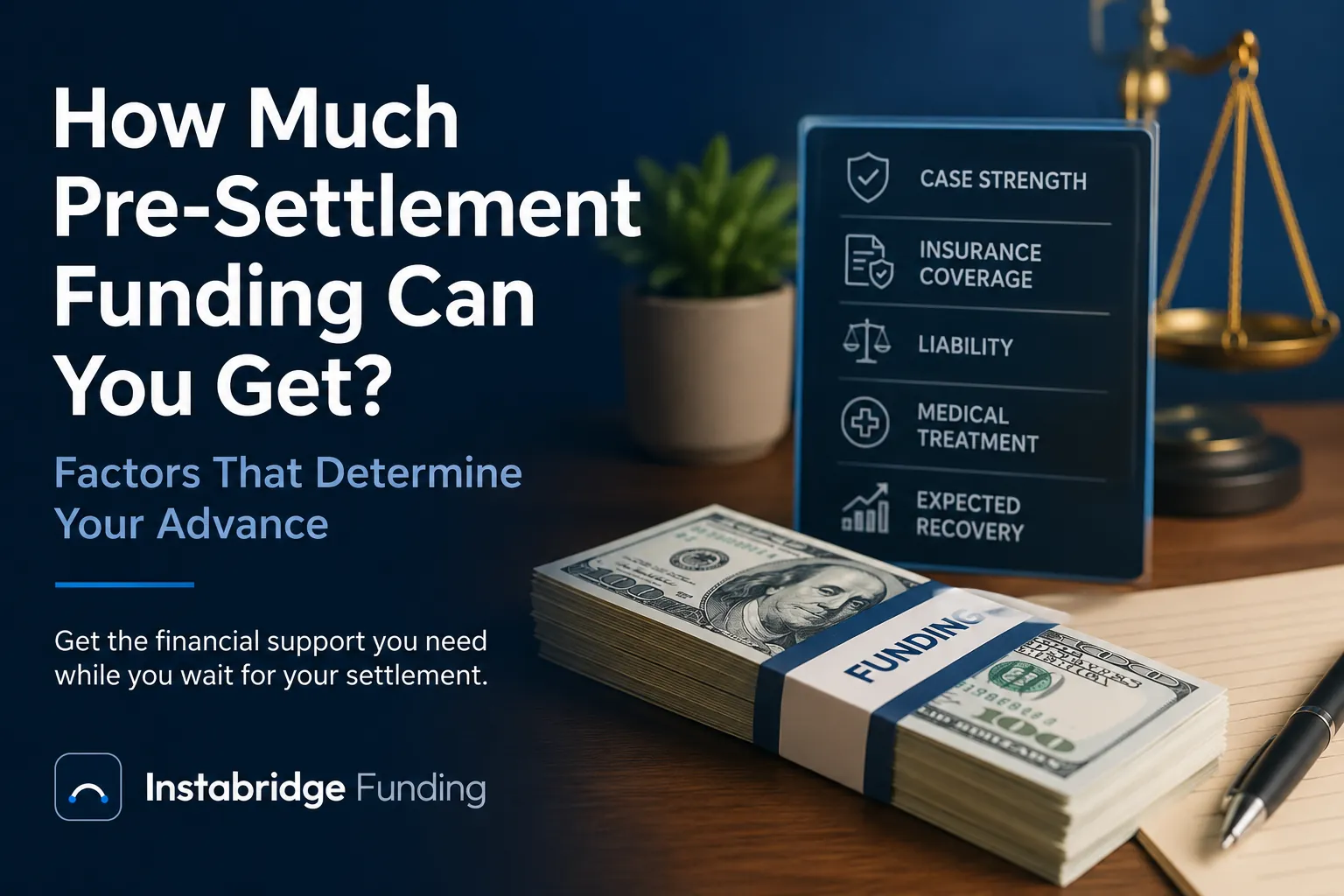
Funding providers assess cases involving minor defendants with particular attention to available sources of recovery. Considerations include:
Whether the minor's parents or guardians can be named as defendants
The type and limits of insurance coverage available
The strength of liability evidence against the minor and any responsible adults
The attorney's assessment of which legal theories support recovery
The stage of litigation and how defendants have been identified
Cases where insurance coverage is clearly available are generally evaluated more favorably than those relying solely on the minor's personal assets.
Can Plaintiffs Still Qualify for Funding?
Yes. Cases involving a minor defendant may still qualify for pre-settlement funding. Approval depends on:
Identification of at least one viable source of recovery such as insurance coverage
Medical documentation of the injury
Attorney's assessment of liability and the legal basis for pursuing the minor's parents or guardians
The overall case value relative to available coverage
Stage of litigation
Funding providers focus on the realistic availability of recovery rather than the age of the defendant. Attorney input is essential in identifying all potential sources of compensation.
How Minor Defendant Cases Can Affect Timeline
Cases involving minor defendants may take additional time to resolve. Factors that can extend the timeline include:
The need to identify and join parents or guardians as defendants
Disputes over parental liability and the applicable state statute
Insurance coverage investigations related to the minor's household
Court approval requirements if the minor is also a party to a settlement
These steps can delay resolution. Pre-settlement funding can provide financial stability during this extended process.
Responsible Funding Evaluation
When a minor is the defendant, funding providers assess the available sources of recovery carefully. Evaluation may consider:
Type and limits of applicable insurance coverage
Strength of parental liability claims under state law
Attorney's confidence in establishing liability and accessing coverage
Medical documentation and injury severity
Legal fees and anticipated case costs
Advances are structured based on realistic projections of available recovery. Non-recourse protection ensures repayment occurs only if recovery is obtained.
The Importance of Attorney Coordination
Attorney guidance is especially important when a minor is the defendant. Legal counsel can explain:
Which parties can be named as defendants and on what legal basis
What insurance coverage is available and how it applies
Whether parental liability statutes support a claim against the minor's parents
The expected timeline for resolving liability and pursuing recovery
Funding providers rely on this analysis to evaluate cases where the defendant's age introduces legal complexity.
Why Plaintiffs Choose Instabridge
Instabridge understands that injuries caused by minors present unique challenges that require careful legal and financial analysis. Our team works directly with attorneys to assess each case based on the available sources of recovery and realistic outcome potential. We provide:
Clear written payoff disclosures
Flat-rate pricing without compounding fees
Non-recourse funding protection
Responsible advance limits
Transparent communication throughout the review process
Our goal is to provide financial support while your case progresses toward resolution regardless of the defendant's age.
Conclusion: Funding Support When the At-Fault Party Is a Minor
Injuries caused by minors introduce legal complexity around liability and recovery, but they do not prevent plaintiffs from pursuing compensation or qualifying for pre-settlement funding when adequate sources of recovery exist. Attorneys experienced in these cases can identify the appropriate defendants and insurance coverage to support a viable claim. If you were injured by a minor and need financial support while your case is pending, contact Instabridge. Our team will review your case carefully, coordinate with your attorney, and help you determine whether pre-settlement funding is an appropriate option.