Show table of contents · 10 sections▾
- Why Defective Safety Equipment Cases Are Complex
- Common Types of Defective Safety Equipment Claims
- How Product Liability Theories Apply
- How Defective Equipment Claims Affect Case Evaluation
- Can Plaintiffs Still Qualify for Funding?
- How Product Liability Cases Can Affect Timeline
- Responsible Funding Evaluation
- The Importance of Attorney Coordination
- Why Plaintiffs Choose Instabridge
- Conclusion: Funding Support When Safety Equipment Failed to Protect You
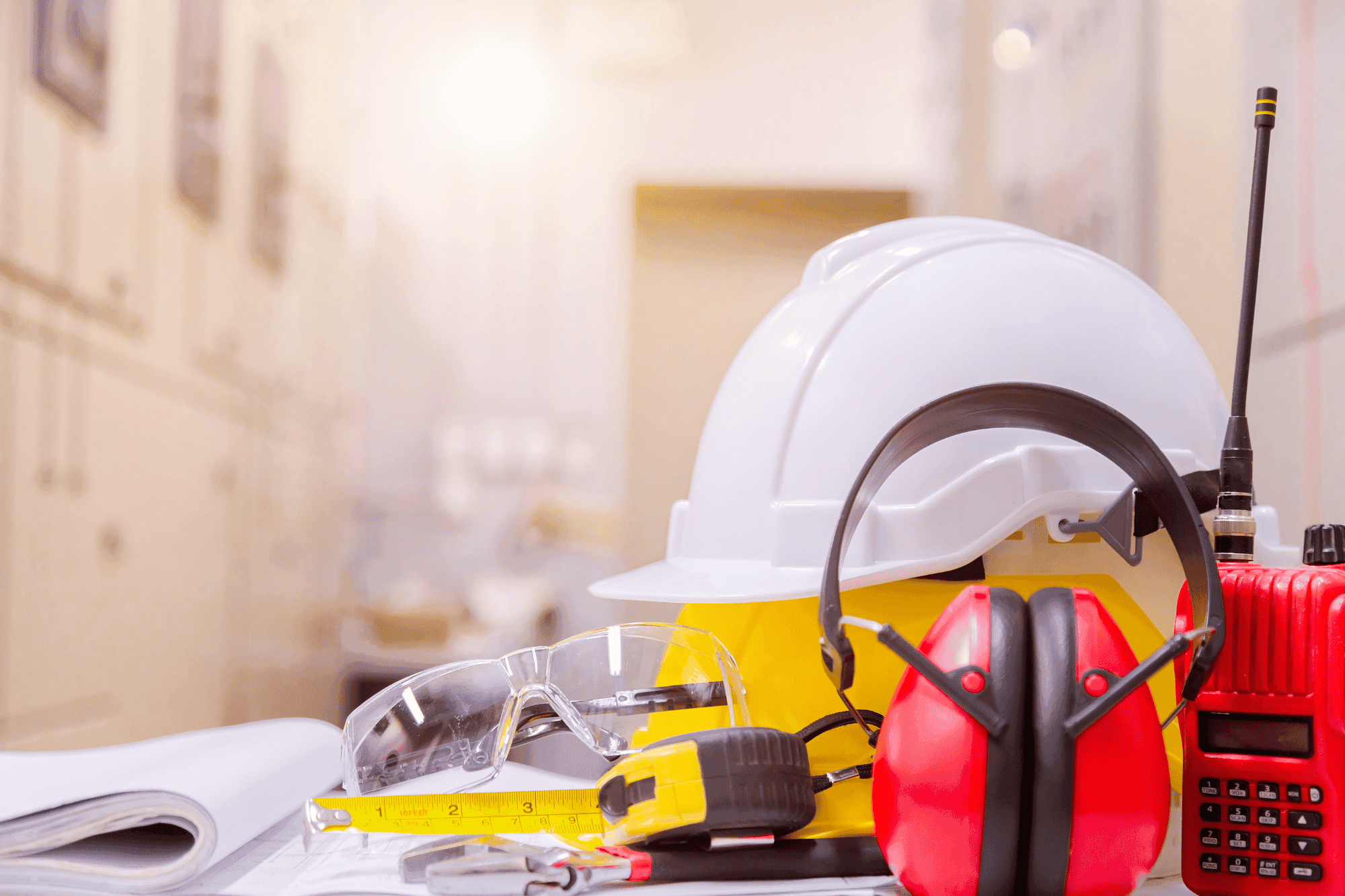
Personal injury cases involving defective safety equipment raise questions about product liability, employer responsibility, and the duty of manufacturers to produce equipment that performs as intended. When safety gear fails — whether a helmet, harness, protective clothing, or another device designed to prevent injury — the consequences can be severe and the legal issues complex.
For plaintiffs injured due to defective safety equipment, understanding how product liability and workplace safety claims interact and how they affect pre-settlement funding eligibility is important. The involvement of a product manufacturer or distributor does not prevent recovery or funding approval when the underlying claim is well-supported.
Why Defective Safety Equipment Cases Are Complex
Claims involving defective safety equipment often involve multiple legal theories and multiple potentially responsible parties. Sources of complexity include:
The product manufacturer may be a large corporation with significant legal resources
Liability may be shared between the manufacturer, a distributor, a retailer, and an employer
The defect may be in the design of the product, the manufacturing process, or the warnings provided
Expert testimony is typically required to establish that the equipment was defective and that the defect caused the injury
Employers may have independent liability for failing to inspect, maintain, or replace safety equipment
Industry standards and regulatory requirements may be relevant to establishing what constitutes a defect
Navigating these overlapping theories requires attorneys experienced in both product liability and workplace injury law.
Common Types of Defective Safety Equipment Claims
Defective safety equipment claims arise across a wide range of industries and settings. Common examples include:
Construction harnesses or fall protection systems that fail during use
Helmets that do not provide adequate impact protection
Protective gloves or clothing that fails to prevent exposure to hazardous materials
Respiratory equipment that does not filter harmful substances effectively
Safety guards on machinery that malfunction or are improperly designed
Vehicle safety systems such as airbags or seatbelts that fail in a collision
Each type of claim involves specific technical and legal considerations depending on the product and the circumstances of the failure.
How Product Liability Theories Apply
Product liability claims against safety equipment manufacturers may be based on one or more of the following theories:
Design defect, where the product's design was inherently unsafe even when manufactured correctly
Manufacturing defect, where a specific unit deviated from the intended design in a way that caused harm
Failure to warn, where the manufacturer did not provide adequate instructions or warnings about the product's limitations
Each theory requires different evidence and expert support. Attorneys assess which theory or combination of theories best fits the facts of the case.
How Defective Equipment Claims Affect Case Evaluation
Funding providers assess defective safety equipment cases based on the overall strength of the product liability and injury claim. Considerations include:
Whether the defect has been identified and documented
Whether expert testimony is available to support the product liability theory
The identity and financial resources of the manufacturer and other defendants
Whether insurance coverage exists across the potentially responsible parties
The attorney's assessment of liability and realistic case value
Cases where the defect is clearly documented and expert support is in place are generally evaluated more favorably.
Can Plaintiffs Still Qualify for Funding?
Yes. Cases involving defective safety equipment may still qualify for pre-settlement funding. Approval depends on:
Medical documentation of the injury
Evidence that the safety equipment failed and contributed to the injury
Identification of viable defendants with available insurance or assets
Attorney's assessment of the product liability theory and case value
Stage of litigation
Funding providers evaluate the overall strength of the claim rather than the complexity of the legal theories involved. Attorney input is essential in cases with multiple defendants and overlapping theories of liability.
How Product Liability Cases Can Affect Timeline
Product liability cases involving defective safety equipment often take longer to resolve than single-defendant personal injury claims. Factors that can extend the timeline include:
The need to retain and prepare product liability experts
Extensive discovery related to the product's design, manufacturing, and testing history
Multiple defendants with separate legal counsel and discovery obligations
Possible involvement of regulatory agencies such as OSHA or the Consumer Product Safety Commission
Bellwether litigation if the product has caused injuries to multiple plaintiffs
These factors can significantly delay resolution. Pre-settlement funding can provide financial stability while the case is developed.
Responsible Funding Evaluation
When a case involves defective safety equipment, funding providers assess the complexity and risk carefully. Evaluation may consider:
Strength of the defect evidence and available expert support
Identity and financial resources of the manufacturer and co-defendants
Insurance coverage across all potentially responsible parties
Attorney's assessment of likely recovery under the applicable product liability theory
Medical documentation and injury severity
Advances are structured to reflect the complexity present in multi-defendant product liability cases. Non-recourse protection ensures repayment occurs only if recovery is obtained.
The Importance of Attorney Coordination
Attorney coordination is critical in defective safety equipment cases. Legal counsel can explain:
Which product liability theory or theories apply to the facts
Which defendants are being pursued and on what basis
What expert testimony has been or will be retained
The expected timeline for completing expert discovery and pursuing resolution
Funding providers rely on this professional analysis to evaluate cases where technical product defect questions affect both liability and case value.
Why Plaintiffs Choose Instabridge
Instabridge understands that defective safety equipment cases involve a level of technical and legal complexity that requires careful evaluation. Our team works directly with attorneys to assess each case based on the available defect evidence and realistic recovery potential. We provide:
Clear written payoff disclosures
Flat-rate pricing without compounding fees
Non-recourse funding protection
Responsible advance limits
Transparent communication throughout the review process
Our goal is to provide financial support while your case is developed and progresses toward resolution.
Conclusion: Funding Support When Safety Equipment Failed to Protect You
Defective safety equipment cases involve complex product liability questions and often multiple defendants, but they do not prevent recovery or funding approval when the underlying claim is well-supported. When safety gear fails and causes serious injury, plaintiffs deserve both legal recourse and financial stability during the litigation process. If you were injured due to defective safety equipment and need financial support while your case is pending, contact Instabridge. Our team will review your case carefully, coordinate with your attorney, and help you determine whether pre-settlement funding is an appropriate option.