Injuries caused by falling objects can occur in a wide range of settings including construction sites, retail stores, warehouses, parking structures, and residential buildings. These incidents can result in serious harm and may give rise to claims based on negligence, premises liability, or product liability depending on the circumstances.
For plaintiffs injured by falling objects, understanding how the source and context of the hazard affects case evaluation and pre-settlement funding eligibility is important. The variety of settings and responsible parties involved in falling object cases does not prevent recovery or funding approval when the underlying claim is well-supported.
Why Falling Object Cases Involve Multiple Legal Theories
The legal basis for a falling object claim depends on where the injury occurred and who was responsible for the condition that caused the object to fall. Applicable theories may include:
Premises liability when a property owner or occupier failed to maintain a safe environment
Construction site negligence when improperly secured materials or equipment fall and injure a worker or passerby
Product liability when a defectively designed or manufactured item falls due to a structural failure
Negligence by a contractor or subcontractor who failed to follow safety protocols
Employer liability when workplace safety standards were not maintained
Identifying the correct legal theory and the responsible party is central to building a viable claim.
Common Settings Where Falling Object Injuries Occur
Falling object injuries arise across a broad range of environments. Common examples include:
Retail stores where improperly stacked merchandise falls from shelves
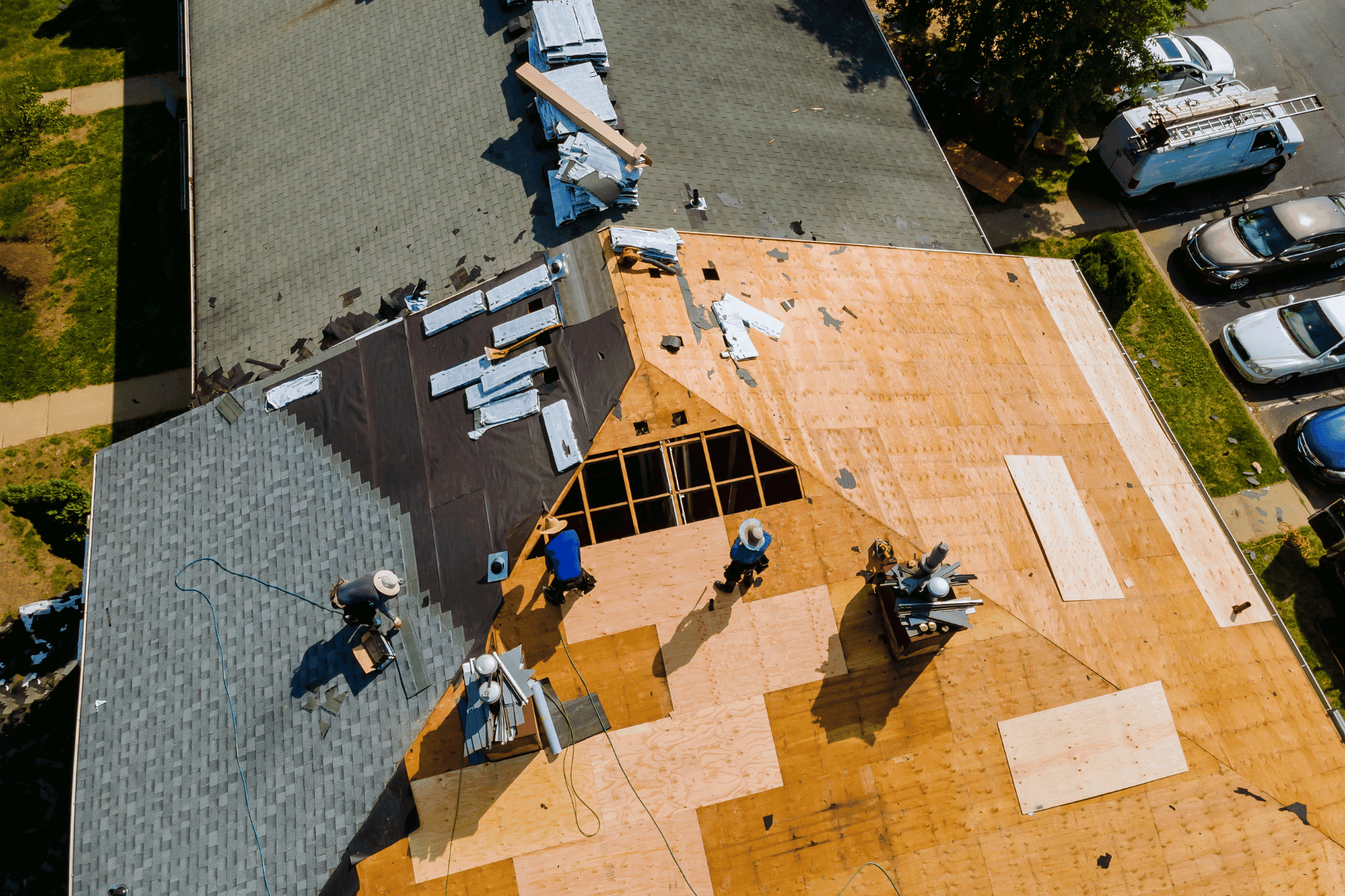
Construction sites where tools, materials, or debris fall from elevated work areas
Parking garages where deteriorating concrete or structural elements fall onto vehicles or pedestrians
Warehouses where improperly secured inventory falls from storage racks
Residential buildings where exterior elements such as window units or facade components become dislodged
Restaurants or venues where overhead fixtures or equipment are inadequately secured
Each setting involves specific questions about who controlled the area and who was responsible for preventing the hazard.
How Liability Is Established in Falling Object Cases
Establishing liability in a falling object case typically requires proof that:
The defendant owned or controlled the area where the object was located
The defendant knew or should have known that the object posed a falling hazard
The defendant failed to take reasonable steps to address the hazard
The falling object directly caused the plaintiff's injury
In construction site cases, OSHA regulations and industry safety standards may provide an additional basis for establishing the applicable duty of care.
How Falling Object Cases Affect Case Evaluation
Funding providers assess falling object cases based on the overall strength of the liability and injury evidence. Considerations include:
Whether the responsible party has been clearly identified
The strength of evidence establishing that the defendant knew or should have known of the hazard
Whether incident reports, inspection records, or prior complaints document the dangerous condition
Insurance coverage available from the defendant
The attorney's assessment of the applicable legal theory and realistic case value
Cases where the hazardous condition is well-documented and the responsible party is clearly identified are generally evaluated more favorably.
Can Plaintiffs Still Qualify for Funding?
Yes. Cases involving falling object injuries may still qualify for pre-settlement funding. Approval depends on:
Medical documentation of the injury and its severity
Evidence of the condition that caused the object to fall and the defendant's responsibility for it
Identification of a viable defendant with available insurance coverage
Attorney's assessment of liability and case value
Stage of litigation
Funding providers evaluate the overall strength of the claim regardless of the specific setting in which the injury occurred. Attorney input on the applicable legal theory is essential.
How Falling Object Cases Can Affect Timeline
Falling object cases may involve additional investigation and discovery that extends the litigation timeline. Factors that can contribute include:
Inspection of the site or structure where the injury occurred before evidence is altered or repaired
Subpoenas for maintenance records, inspection logs, and prior complaint documentation
Retention of engineering or safety experts to establish the nature of the hazard
OSHA investigation records if the injury occurred at a construction or workplace site
These steps can delay settlement negotiations. Pre-settlement funding can provide financial stability while liability is being established and the case is developed.
Responsible Funding Evaluation
When a case involves a falling object injury, funding providers assess the liability evidence and available recovery carefully. Evaluation may consider:
Clarity of the hazard and the defendant's responsibility for it
Strength of documentary and expert evidence supporting liability
Insurance coverage available from the defendant
Medical documentation and injury severity
Attorney's overall assessment of realistic recovery
Advances are structured to reflect the level of certainty present in the liability analysis. Non-recourse protection ensures repayment occurs only if recovery is obtained.
The Importance of Attorney Coordination
Attorney coordination is essential in falling object cases, particularly those involving construction sites or multi-party liability. Legal counsel can explain:
Which legal theory applies to the facts and who the responsible defendants are
What evidence is available to establish that the defendant knew of the hazard
Whether expert testimony will be required to address the safety standards involved
The expected timeline for completing investigation and discovery
Funding providers rely on this professional analysis to evaluate cases where the source of the falling object and the identity of the responsible party require careful examination.
Why Plaintiffs Choose Instabridge
Instabridge understands that falling object injuries can occur in many different settings and that the path to establishing liability depends on the specific facts of each case. Our team works directly with attorneys to assess each claim based on the available evidence and realistic recovery potential. We provide:
Clear written payoff disclosures
Flat-rate pricing without compounding fees
Non-recourse funding protection
Responsible advance limits
Transparent communication throughout the review process
Our goal is to provide financial support while your case progresses toward resolution regardless of where or how the injury occurred.
Conclusion: Funding Support After a Falling Object Injury
Falling object injuries can give rise to strong personal injury claims when the responsible party is identified and the hazardous condition is well-documented. The variety of settings and legal theories involved in these cases does not prevent pre-settlement funding approval when the underlying claim is supported by clear evidence. If you were injured by a falling object and need financial support while your case is pending, contact Instabridge. Our team will review your case carefully, coordinate with your attorney, and help you determine whether pre-settlement funding is an appropriate option.